Zhang Bingfang, Zhang Yingmei, La Cour Karissa H, Richmond Kacy L, Wang Xiao-Ming, Ren Jun
Department of Geriatrics, Xijing Hospital, Fourth Military Medical University, Xi'an, Shaanxi, People's Republic of China.
Biochim Biophys Acta. 2013 Apr;1832(4):574-84. doi: 10.1016/j.bbadis.2013.01.013. Epub 2013 Jan 23.
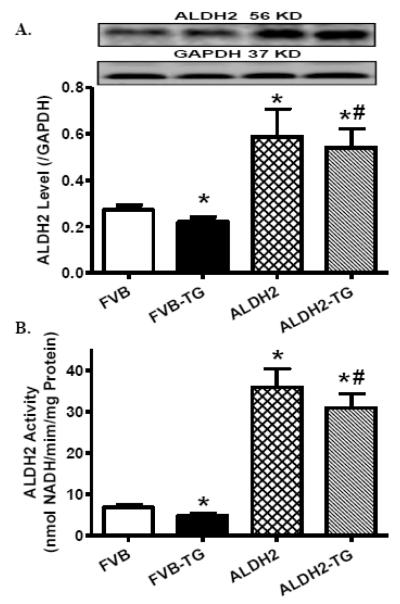
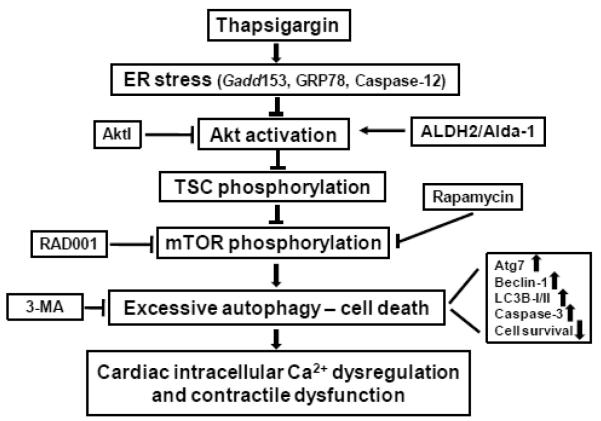
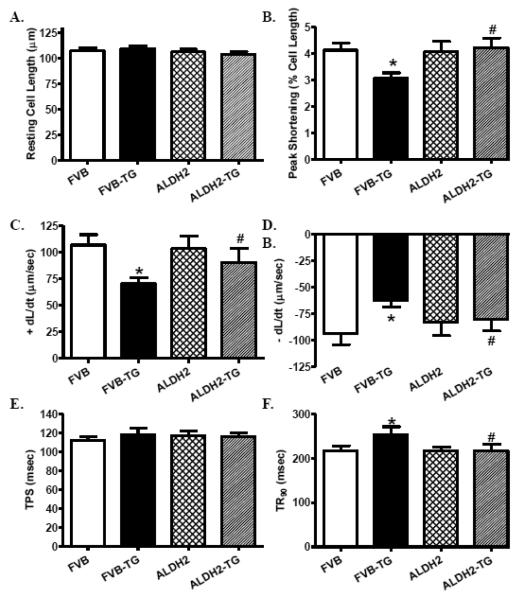
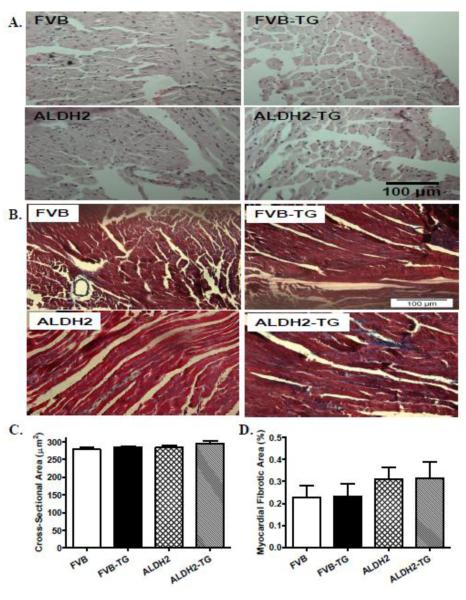
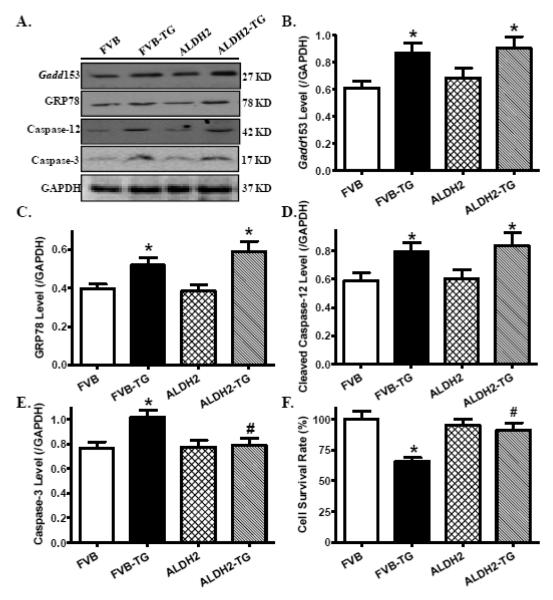
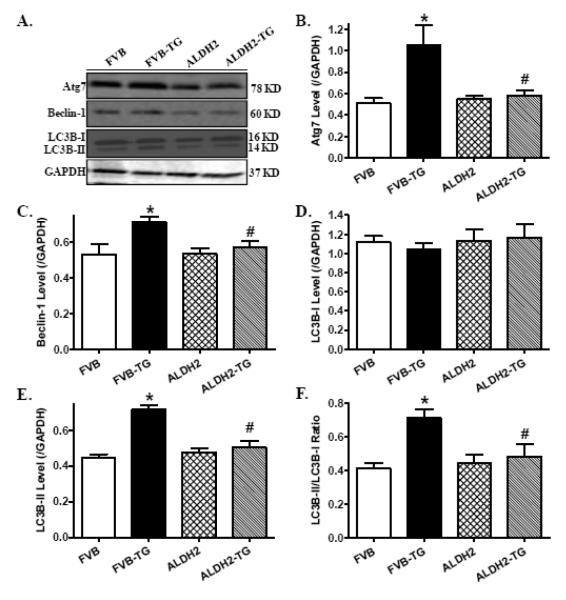
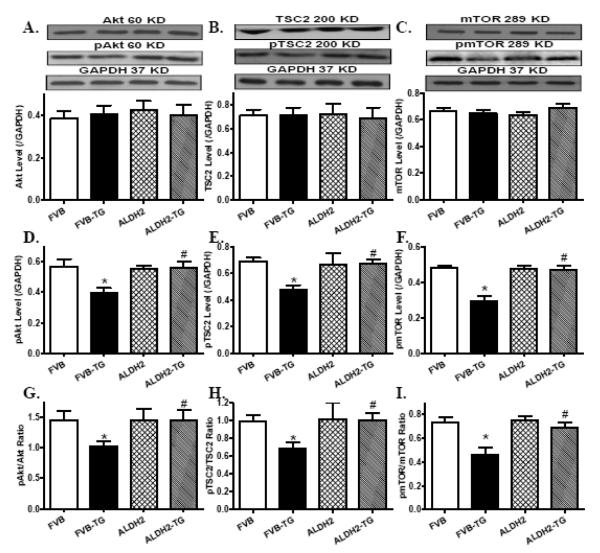
ER stress triggers myocardial contractile dysfunction while effective therapeutic regimen is still lacking. Mitochondrial aldehyde dehydrogenase (ALDH2), an essential mitochondrial enzyme governing mitochondrial and cardiac function, displays distinct beneficial effect on the heart. This study was designed to evaluate the effect of ALDH2 on ER stress-induced cardiac anomalies and the underlying mechanism involved with a special focus on autophagy. WT and ALDH2 transgenic mice were subjected to the ER stress inducer thapsigargin (1mg/kg, i.p., 48h). Echocardiographic, cardiomyocyte contractile and intracellular Ca(2+) properties as well as myocardial histology, autophagy and autophagy regulatory proteins were evaluated. ER stress led to compromised echocardiographic indices (elevated LVESD, reduced fractional shortening and cardiac output), cardiomyocyte contractile and intracellular Ca(2+) properties and cell survival, associated with upregulated autophagy, dampened phosphorylation of Akt and its downstream signal molecules TSC2 and mTOR, the effects of which were alleviated or mitigated by ALDH2. Thapsigargin promoted ER stress proteins Gadd153 and GRP78 without altering cardiomyocyte size and interstitial fibrosis, the effects of which were unaffected by ALDH2. Treatment with thapsigargin in vitro mimicked in vivo ER stress-induced cardiomyocyte contractile anomalies including depressed peak shortening and maximal velocity of shortening/relengthening as well as prolonged relengthening duration, the effect of which was abrogated by the autophagy inhibitor 3-methyladenine and the ALDH2 activator Alda-1. Interestingly, Alda-1-induced beneficial effect against ER stress was obliterated by autophagy inducer rapamycin, Akt inhibitor AktI and mTOR inhibitor RAD001. These data suggest a beneficial role of ALDH2 against ER stress-induced cardiac anomalies possibly through autophagy reduction.
内质网应激引发心肌收缩功能障碍,而目前仍缺乏有效的治疗方案。线粒体醛脱氢酶2(ALDH2)是一种调控线粒体和心脏功能的重要线粒体酶,对心脏具有明显的有益作用。本研究旨在评估ALDH2对内质网应激诱导的心脏异常的影响及其潜在机制,特别关注自噬。将野生型和ALDH2转基因小鼠用内质网应激诱导剂毒胡萝卜素(1mg/kg,腹腔注射,48小时)处理。评估超声心动图、心肌细胞收缩和细胞内Ca(2+)特性以及心肌组织学、自噬和自噬调节蛋白。内质网应激导致超声心动图指标受损(左室舒张末期内径升高、缩短分数和心输出量降低)、心肌细胞收缩和细胞内Ca(2+)特性以及细胞存活受到影响,同时自噬上调,Akt及其下游信号分子TSC2和mTOR的磷酸化受到抑制,而ALDH2可减轻或缓解这些影响。毒胡萝卜素可促进内质网应激蛋白Gadd153和GRP78的表达,而不改变心肌细胞大小和间质纤维化,ALDH2对其无影响。体外使用毒胡萝卜素处理模拟了体内内质网应激诱导的心肌细胞收缩异常,包括峰值缩短和缩短/再延长最大速度降低以及再延长持续时间延长,自噬抑制剂3-甲基腺嘌呤和ALDH2激活剂Alda-1可消除这种影响。有趣的是,自噬诱导剂雷帕霉素、Akt抑制剂AktI和mTOR抑制剂RAD001可消除Alda-1对内质网应激的有益作用。这些数据表明ALDH2可能通过减少自噬对内质网应激诱导的心脏异常发挥有益作用。