Department of Molecular and Cell Biology, Donner Laboratory, University of California at Berkeley, Berkeley, CA, USA.
Cell Cycle. 2013 Mar 1;12(5):783-802. doi: 10.4161/cc.23720. Epub 2013 Feb 6.
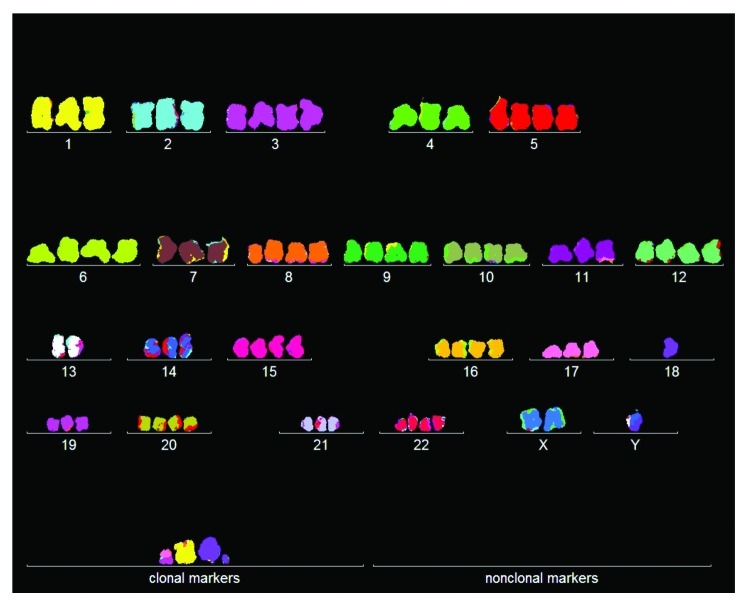
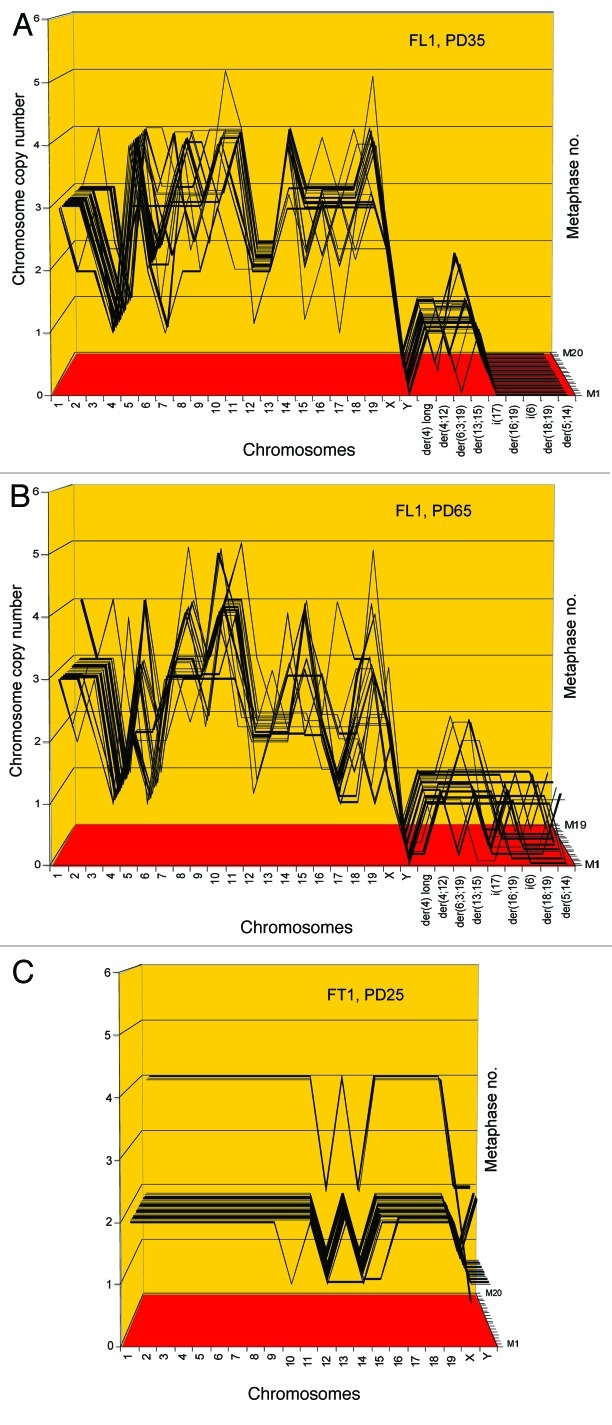
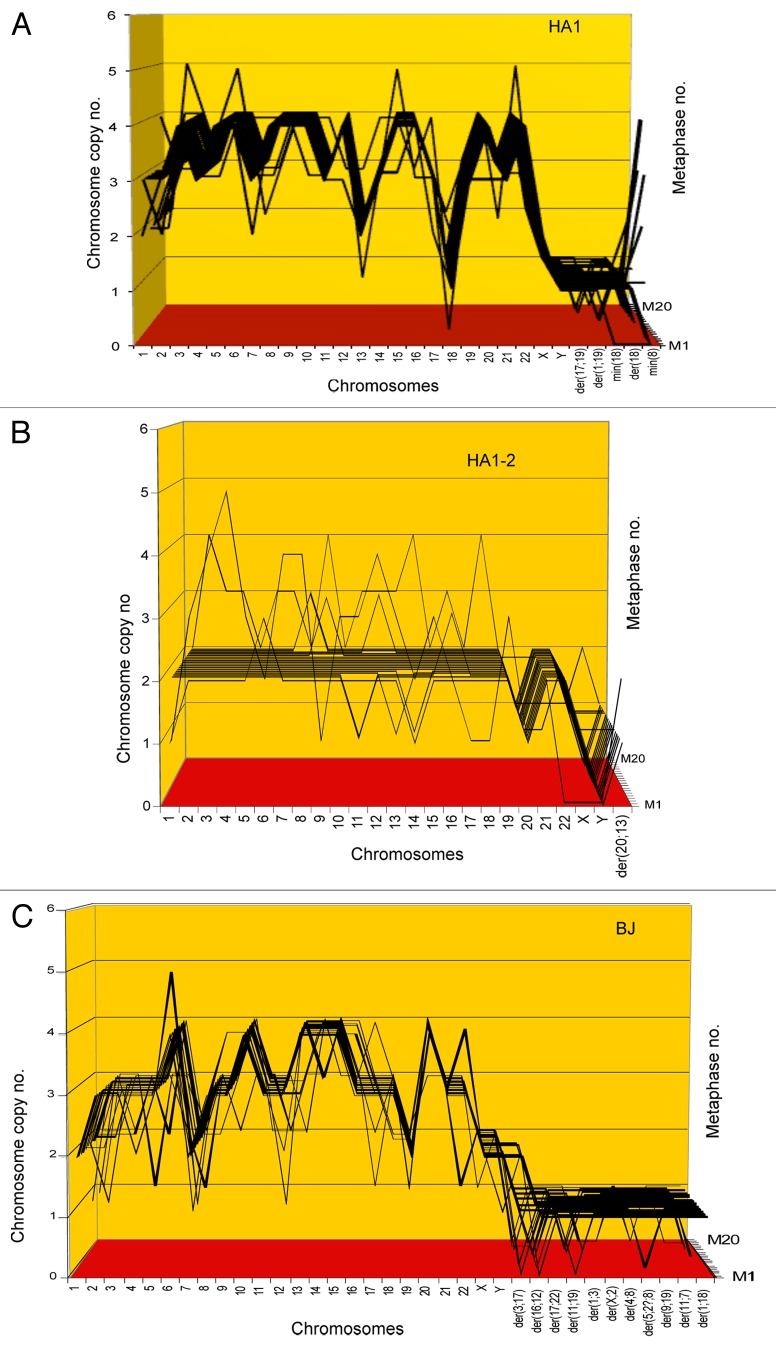
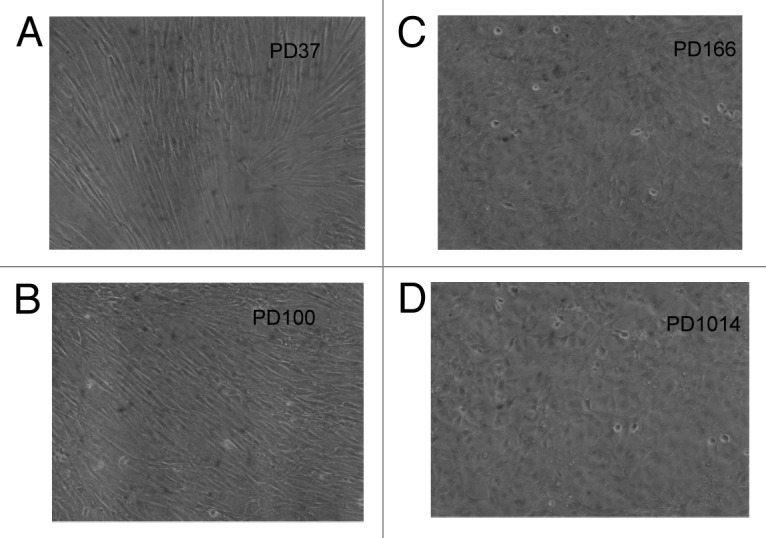
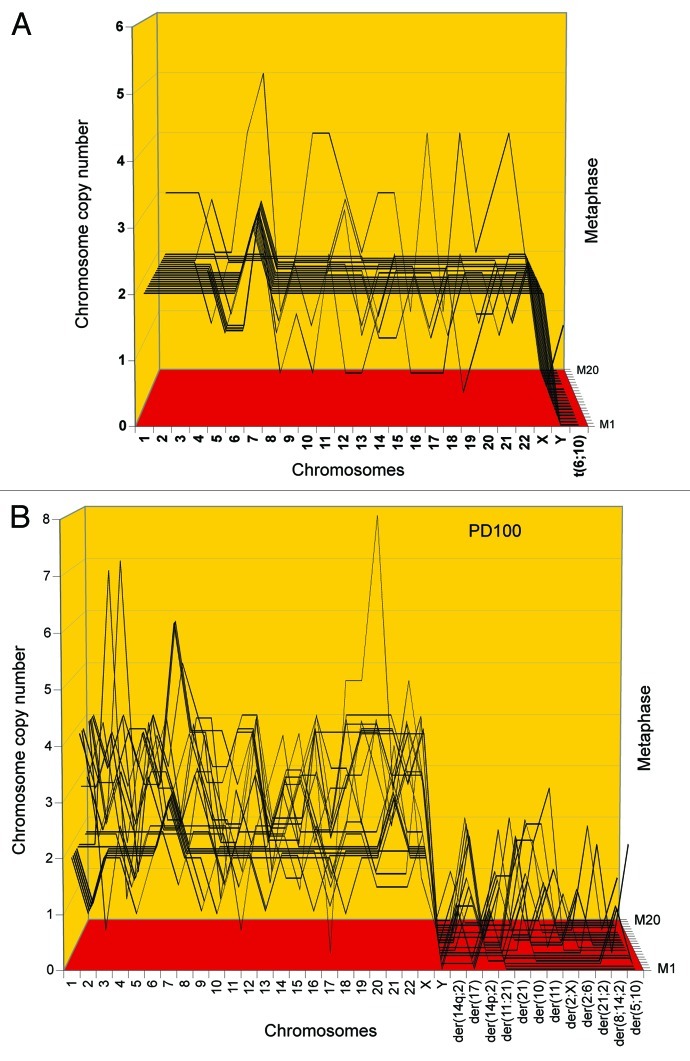
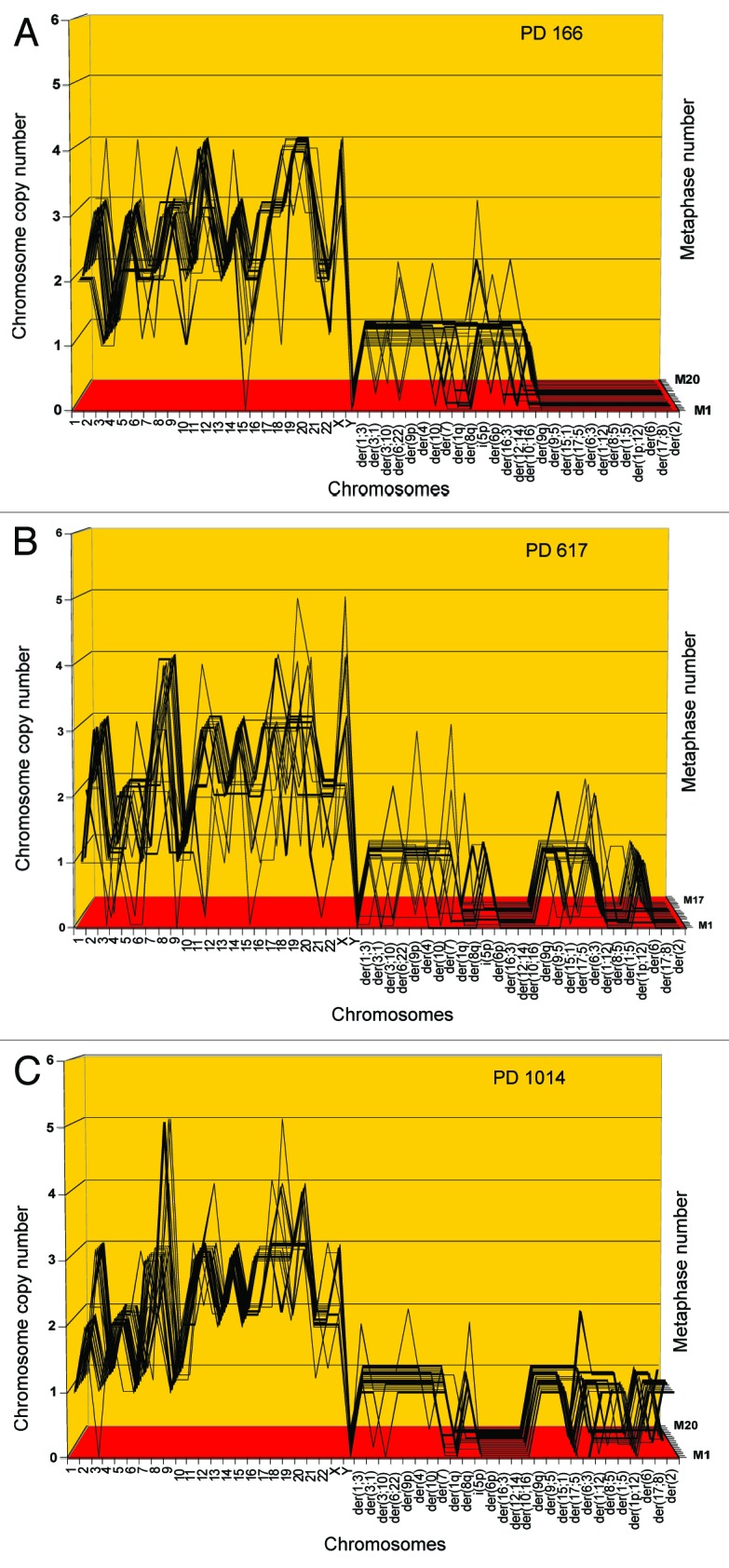
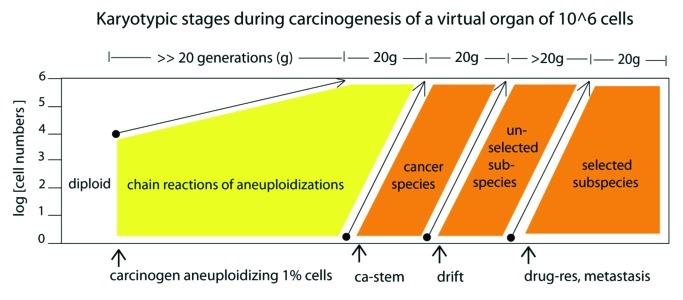
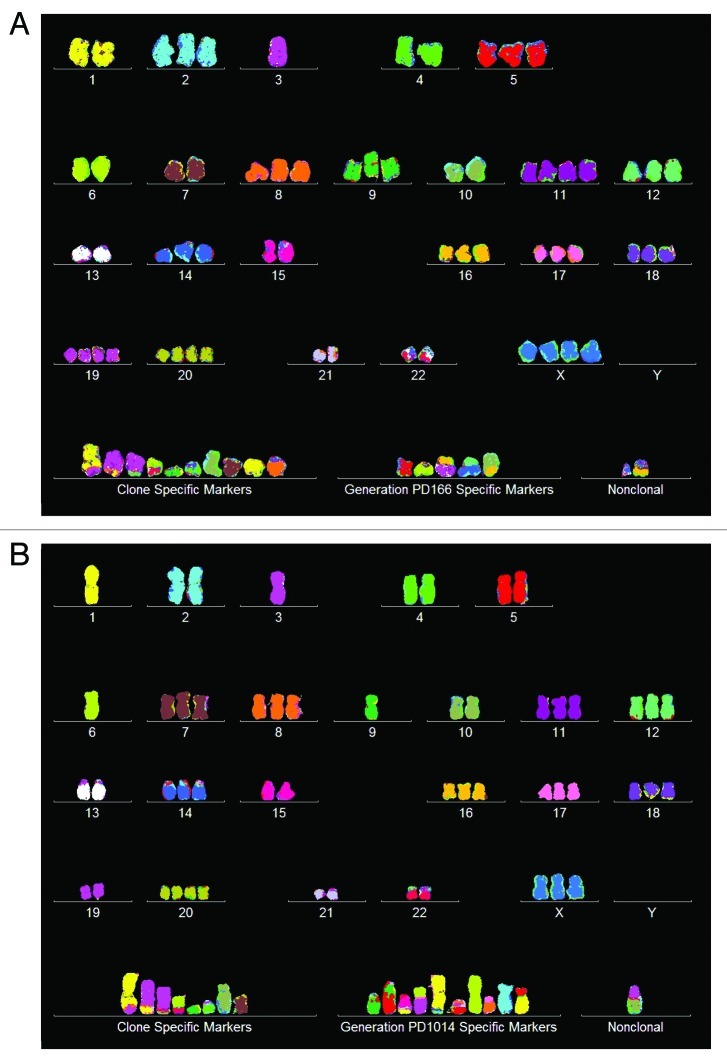
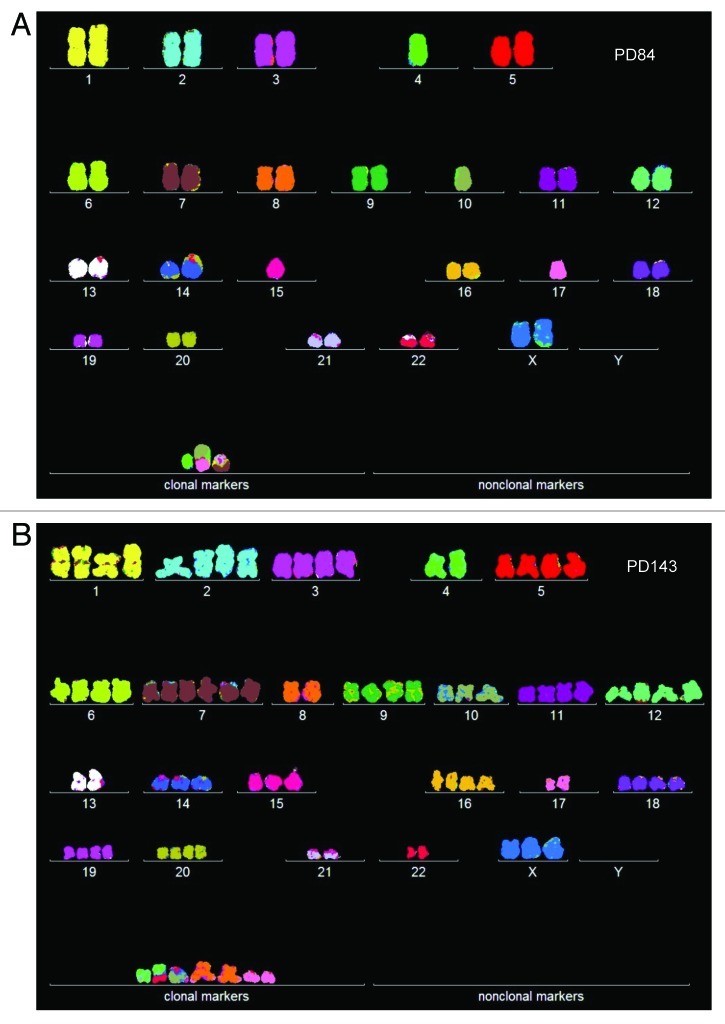
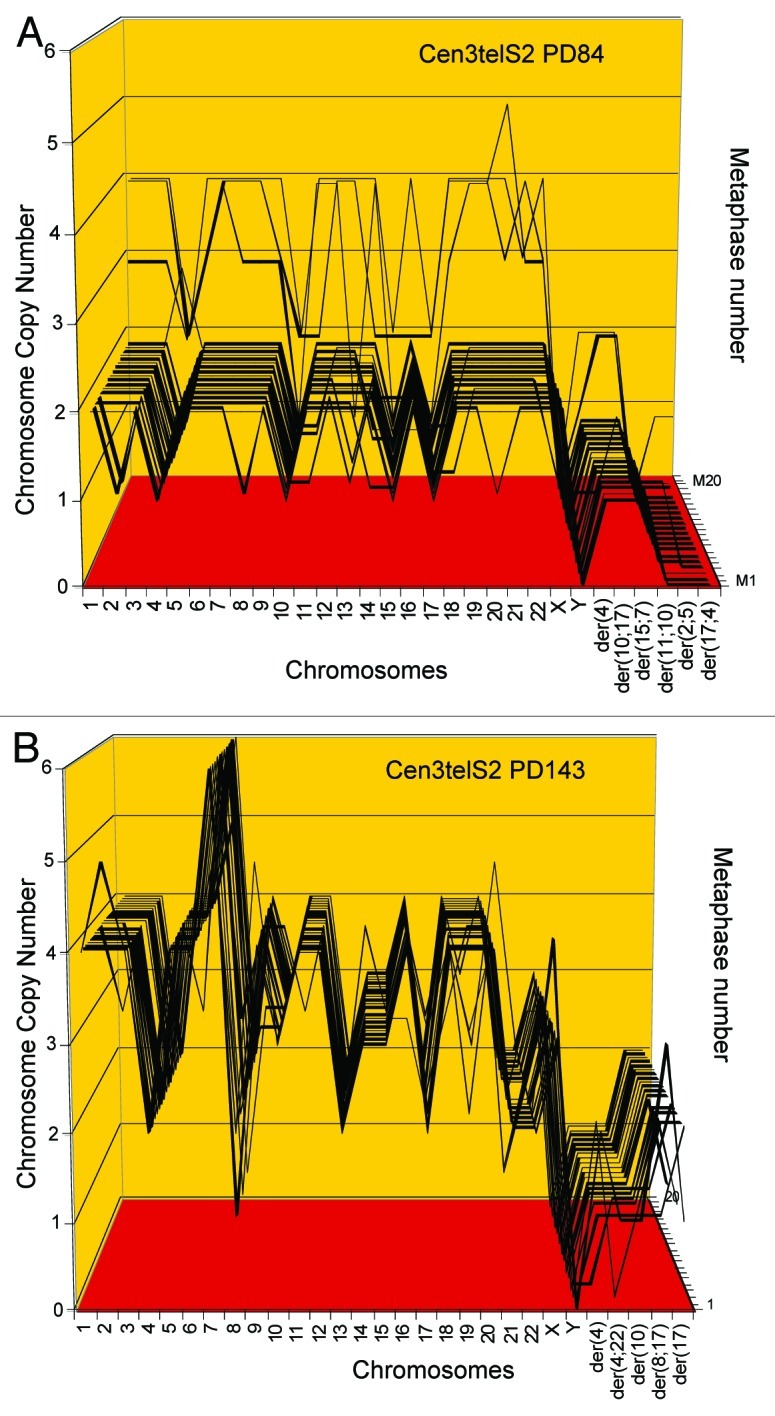
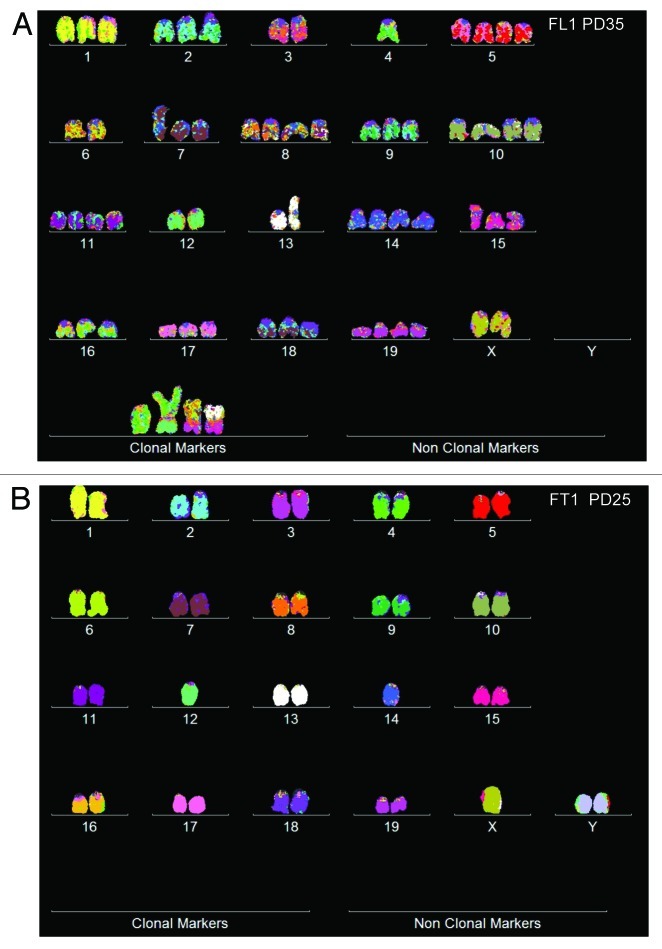
Immortality is a common characteristic of cancers, but its origin and purpose are still unclear. Here we advance a karyotypic theory of immortality based on the theory that carcinogenesis is a form of speciation. Accordingly, cancers are generated from normal cells by random karyotypic rearrangements and selection for cancer-specific reproductive autonomy. Since such rearrangements unbalance long-established mitosis genes, cancer karyotypes vary spontaneously but are stabilized perpetually by clonal selections for autonomy. To test this theory we have analyzed neoplastic clones, presumably immortalized by transfection with overexpressed telomerase or with SV40 tumor virus, for the predicted clonal yet flexible karyotypes. The following results were obtained: (1) All immortal tumorigenic lines from cells transfected with overexpressed telomerase had clonal and flexible karyotypes; (2) Searching for the origin of such karyotypes, we found spontaneously increasing, random aneuploidy in human fibroblasts early after transfection with overexpressed telomerase; (3) Late after transfection, new immortal tumorigenic clones with new clonal and flexible karyotypes were found; (4) Testing immortality of one clone during 848 unselected generations showed the chromosome number was stable, but the copy numbers of 36% of chromosomes drifted ± 1; (5) Independent immortal tumorigenic clones with individual, flexible karyotypes arose after individual latencies; (6) Immortal tumorigenic clones with new flexible karyotypes also arose late from cells of a telomerase-deficient mouse rendered aneuploid by SV40 virus. Because immortality and tumorigenicity: (1) correlated exactly with individual clonal but flexible karyotypes; (2) originated simultaneously with such karyotypes; and (3) arose in the absence of telomerase, we conclude that clonal and flexible karyotypes generate the immortality of cancers.
永生是癌症的一个共同特征,但它的起源和目的仍不清楚。在这里,我们基于癌变是一种物种形成形式的理论,提出了一种染色体组理论的永生。相应地,癌症是通过随机染色体组重排和选择癌症特异性生殖自主性从正常细胞产生的。由于这些重排打破了长期存在的有丝分裂基因的平衡,因此癌症的染色体组会自发变化,但通过克隆选择自主性而永久稳定。为了验证这一理论,我们分析了肿瘤克隆,这些克隆可能通过转染过表达端粒酶或 SV40 肿瘤病毒而被永生化,以预测克隆但灵活的染色体组。得到了以下结果:(1)所有过表达端粒酶转染的永生肿瘤细胞系都具有克隆和灵活的染色体组;(2)为了寻找这种染色体组的起源,我们发现过表达端粒酶后,人类成纤维细胞早期自发出现随机的非整倍体;(3)在转染后晚期,发现了具有新的克隆和灵活染色体组的新的永生肿瘤克隆;(4)在 848 次未选择的代中测试一个克隆的永生性,发现染色体数量稳定,但 36%的染色体的拷贝数漂移了±1;(5)在不同的潜伏期后,具有个体、灵活染色体组的独立永生肿瘤克隆也出现了;(6)由 SV40 病毒使端粒酶缺陷的小鼠成为非整倍体的细胞中,也会在晚期产生具有新的灵活染色体组的永生肿瘤克隆。由于永生性和肿瘤性:(1)与个体的克隆但灵活的染色体组完全相关;(2)与这种染色体组同时起源;(3)在没有端粒酶的情况下发生,我们得出结论,克隆和灵活的染色体组产生了癌症的永生性。