Graduate Institute of Photonics and Optoelectronics, National Taiwan University, No. 1, Roosevelt Road, Section 4, Taipei 106, Taiwan.
Sensors (Basel). 2012 Nov 27;12(12):16390-403. doi: 10.3390/s121216390.
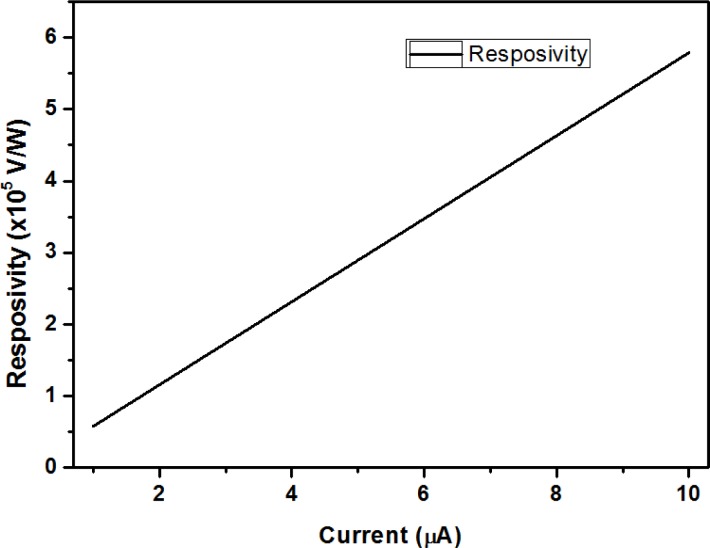
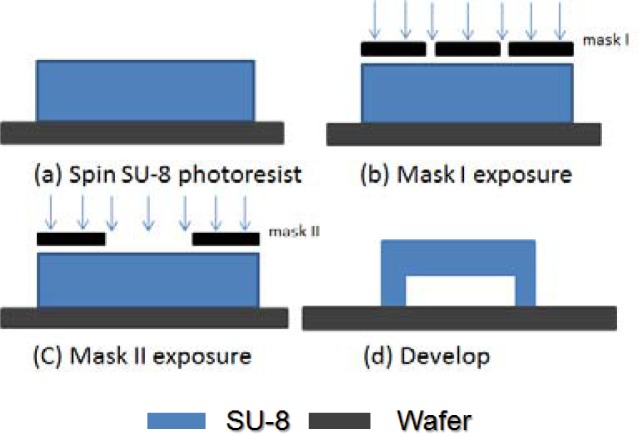
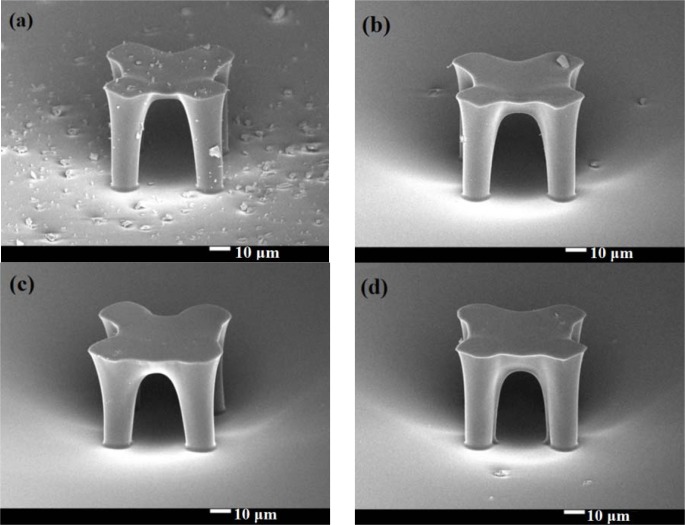
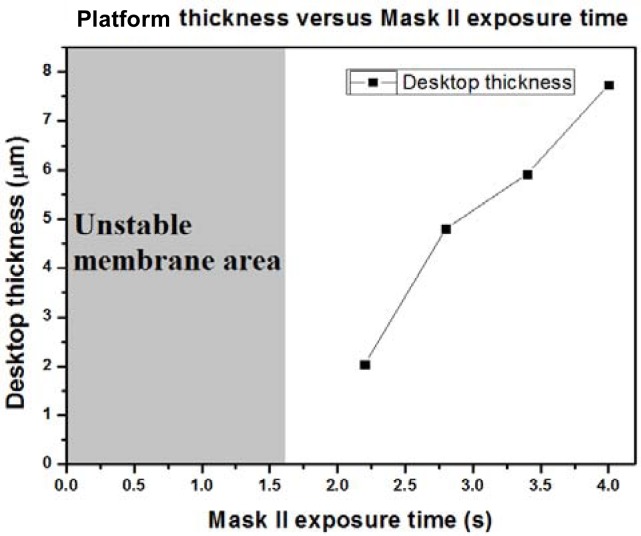
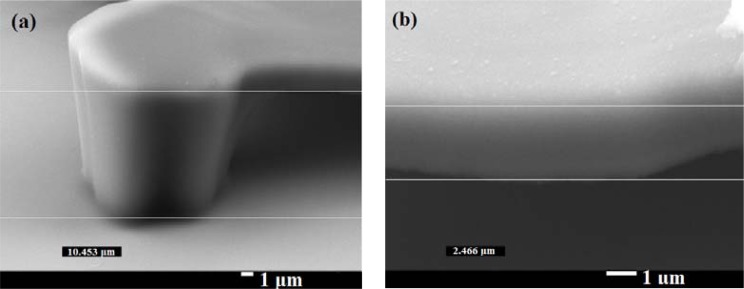
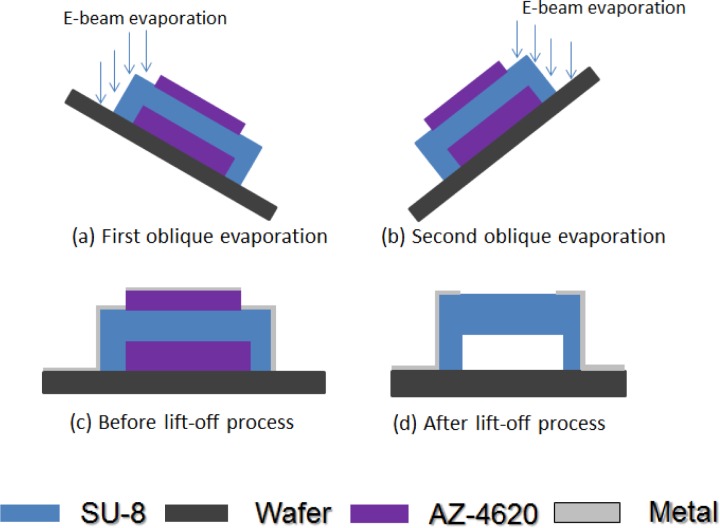
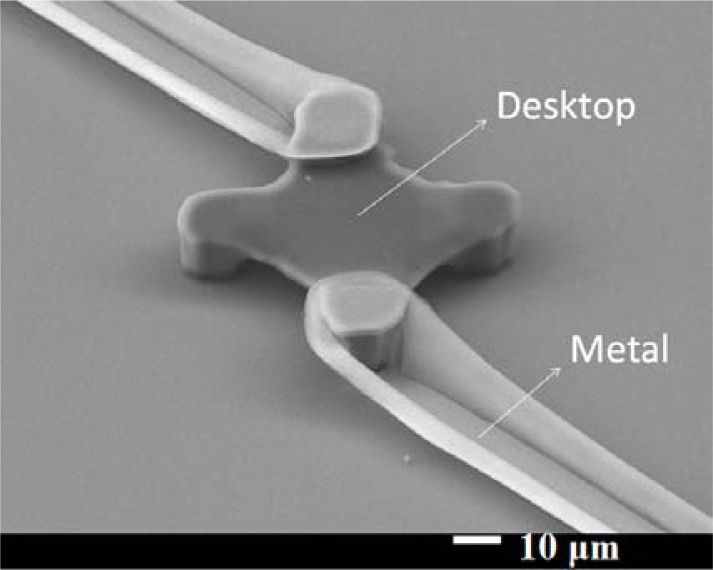
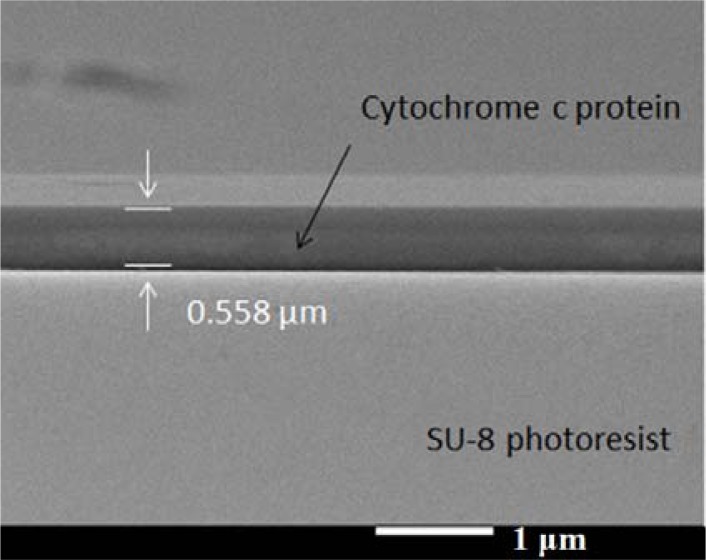
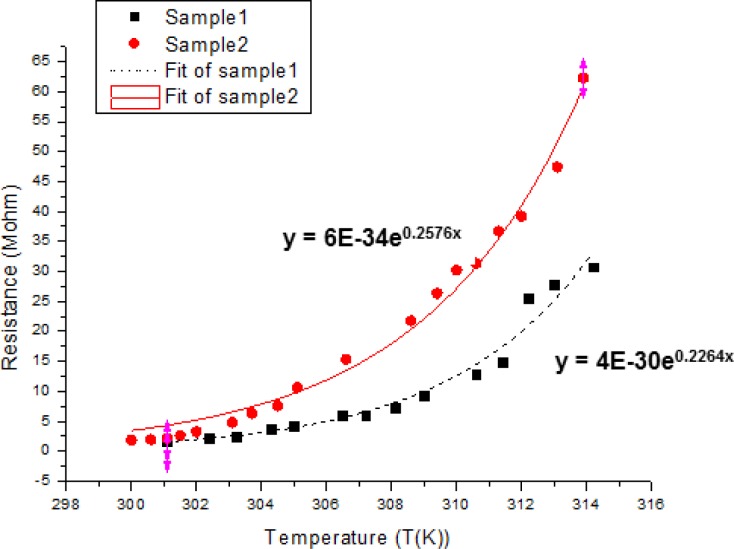
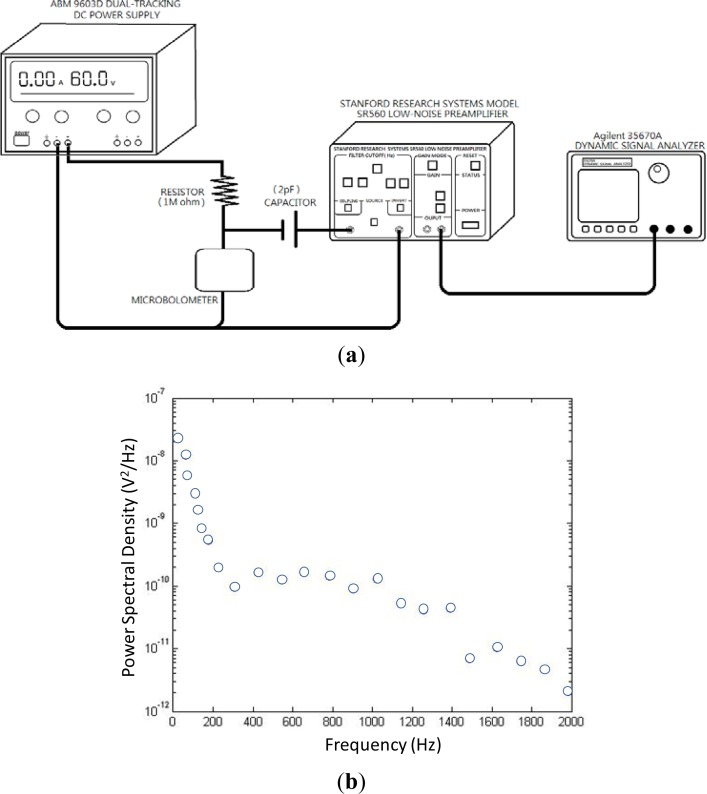
There are two critical parameters for microbolometers: the temperature coefficient of resistance (TCR) of the sensing material, and the thermal conductance of the insulation structure. Cytochrome c protein, having a high TCR, is a good candidate for infrared detection. We can use SU-8 photoresist for the thermal insulation structure, given its low thermal conductance. In this study, we designed a platform structure based on a SU-8 photoresist. We fabricated an infrared sensing pixel and recorded a high TCR for this new structure. The SU-8 photoresist insulation structure was fabricated using the exposure dose method. We experimentally demonstrated high values of TCR from 22%/K to 25.7%/K, and the measured noise was 1.2 × 10(-8) V2/Hz at 60 Hz. When the bias current was 2 μA, the calculated voltage responsivity was 1.16 × 10(5) V/W. This study presents a new kind of microbolometer based on cytochrome c protein on top of an SU-8 photoresist platform that does not require expensive vacuum deposition equipment.
对于微测辐射热计来说,有两个关键参数:敏感材料的电阻温度系数(TCR)和绝缘结构的热导。细胞色素 c 蛋白具有较高的 TCR,是红外探测的理想候选材料。我们可以使用 SU-8 光刻胶作为热绝缘结构,因为它的热导较低。在这项研究中,我们设计了一个基于 SU-8 光刻胶的平台结构。我们制造了一个红外感应像素,并记录了这种新结构的高 TCR。SU-8 光刻胶绝缘结构采用曝光剂量法制造。我们通过实验证明了 TCR 从 22%/K 到 25.7%/K 的高值,在 60 Hz 时测量的噪声为 1.2×10(-8) V2/Hz。当偏置电流为 2 μA 时,计算出的电压响应率为 1.16×10(5) V/W。本研究提出了一种新型的微测辐射热计,它基于 SU-8 光刻胶平台上的细胞色素 c 蛋白,不需要昂贵的真空沉积设备。