Department of Molecular Neuroscience, UCL Institute of Neurology, Queen Square, London WC1N 3BG, UK.
Neuron. 2013 Apr 10;78(1):57-64. doi: 10.1016/j.neuron.2013.02.028. Epub 2013 Mar 14.
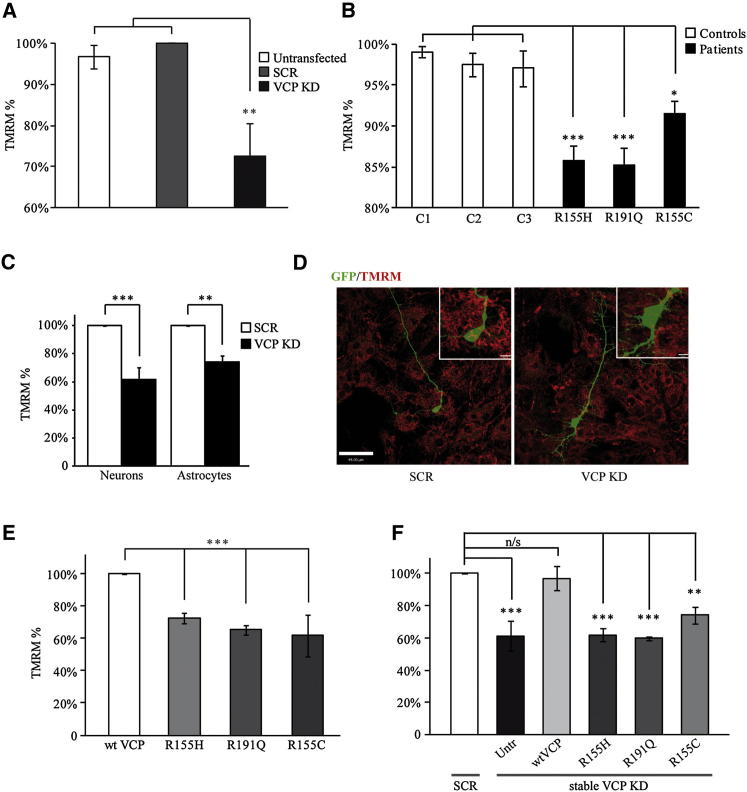
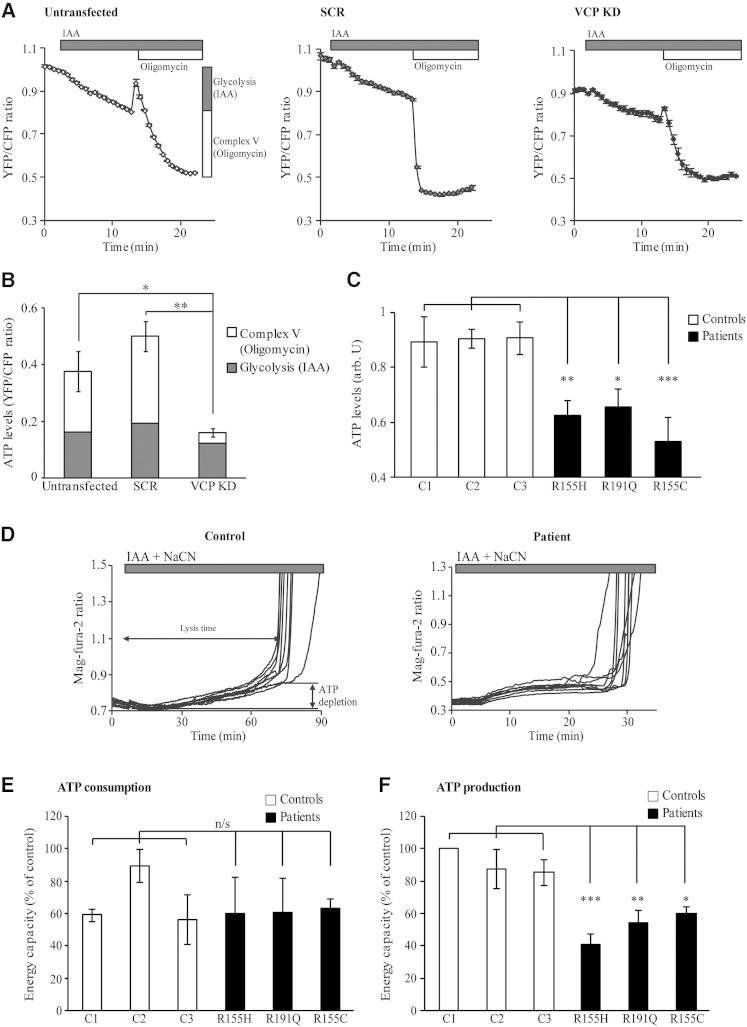
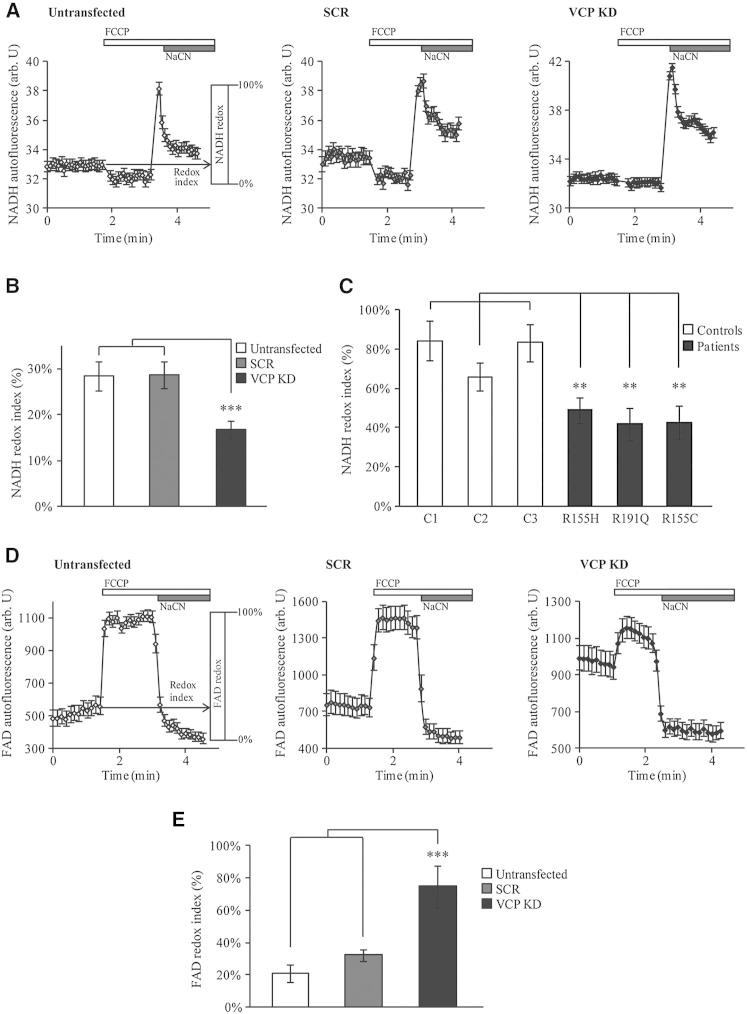
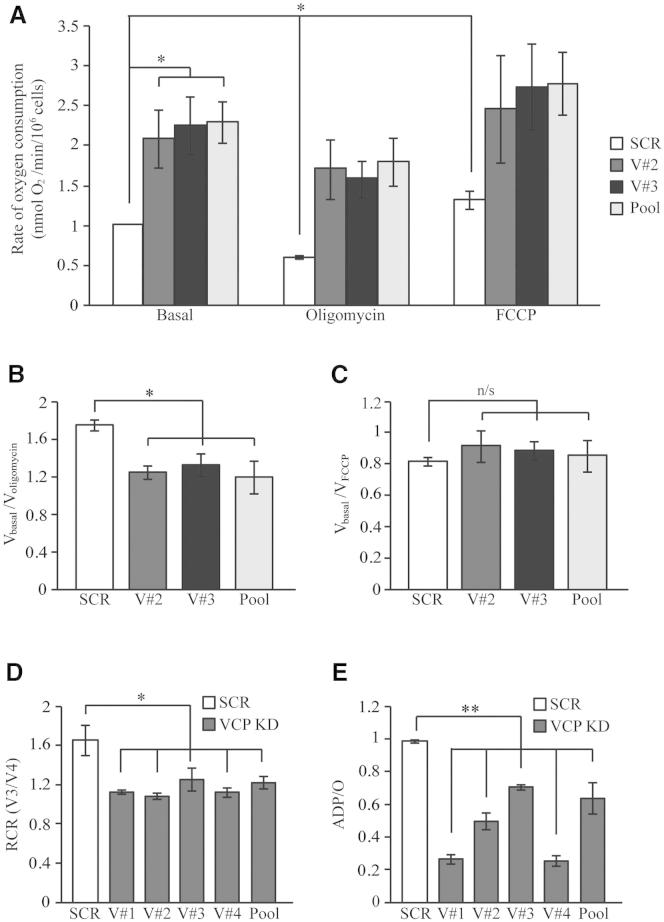
Valosin-containing protein (VCP) is a highly expressed member of the type II AAA+ ATPase family. VCP mutations are the cause of inclusion body myopathy, Paget's disease of the bone, and frontotemporal dementia (IBMPFD) and they account for 1%-2% of familial amyotrophic lateral sclerosis (ALS). Using fibroblasts from patients carrying three independent pathogenic mutations in the VCP gene, we show that VCP deficiency causes profound mitochondrial uncoupling leading to decreased mitochondrial membrane potential and increased mitochondrial oxygen consumption. This mitochondrial uncoupling results in a significant reduction of cellular ATP production. Decreased ATP levels in VCP-deficient cells lower their energy capacity, making them more vulnerable to high energy-demanding processes such as ischemia. Our findings propose a mechanism by which pathogenic VCP mutations lead to cell death.
包含缬氨酸的蛋白(VCP)是 II 型 AAA+ATP 酶家族中高度表达的成员。VCP 突变是包涵体肌病、骨 Paget 病和额颞叶痴呆(IBMPFD)的原因,占家族性肌萎缩侧索硬化症(ALS)的 1%-2%。使用携带 VCP 基因中三种独立致病性突变的成纤维细胞,我们表明 VCP 缺乏导致线粒体解偶联,导致线粒体膜电位降低和线粒体耗氧量增加。这种线粒体解偶联导致细胞 ATP 产生显著减少。VCP 缺陷细胞中 ATP 水平降低会降低其能量容量,使它们更容易受到高能量需求过程(如缺血)的影响。我们的发现提出了一种机制,即致病性 VCP 突变导致细胞死亡。