Biomass Refinery Research Center (BRRC), National Institute of Advanced Industrial Science and Technology (AIST), Kagamiyama, Higashihiroshima, Hiroshima, Japan.
PLoS One. 2013;8(3):e59376. doi: 10.1371/journal.pone.0059376. Epub 2013 Mar 14.
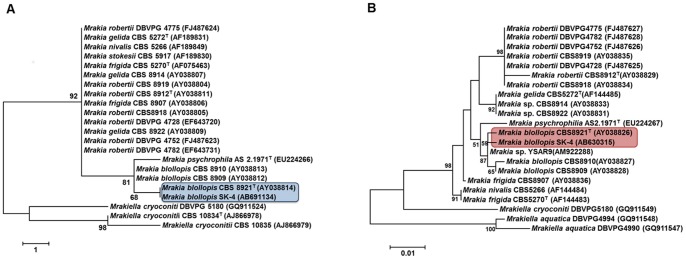
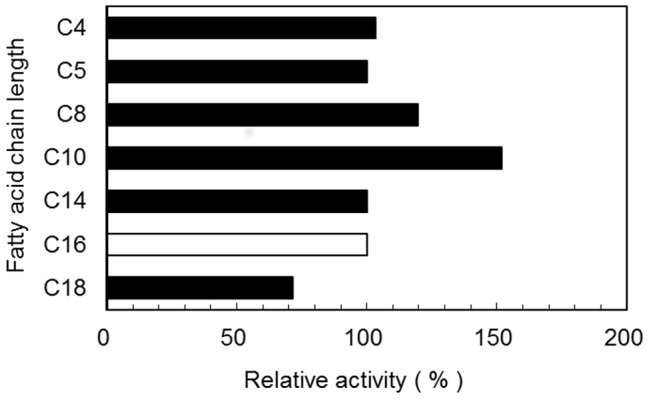
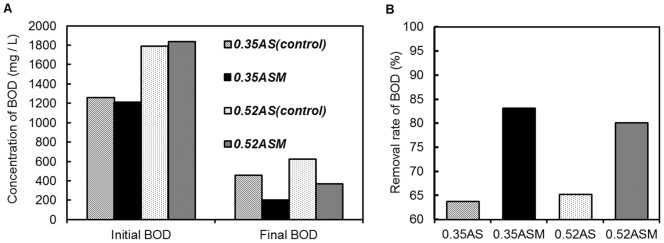
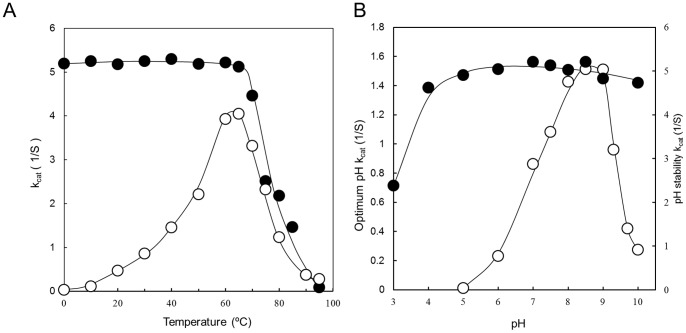
Milk fat curdle in sewage is one of the refractory materials for active sludge treatment under low temperature conditions. For the purpose of solving this problem by using a bio-remediation agent, we screened Antarctic yeasts and isolated SK-4 strain from algal mat of sediments of Naga-ike, a lake in Skarvsnes, East Antarctica. The yeast strain showed high nucleotide sequence homologies (>99.6%) to Mrakia blollopis CBS8921(T) in ITS and D1/D2 sequences and had two unique characteristics when applied on an active sludge; i.e., it showed a potential to use various carbon sources and to grow under vitamin-free conditions. Indeed, it showed a biochemical oxygen demand (BOD) removal rate that was 1.25-fold higher than that of the control. We considered that the improved BOD removal rate by applying SK-4 strain was based on its lipase activity and characteristics. Finally, we purified the lipase from SK-4 and found that the enzyme was quite stable under wide ranges of temperatures and pH, even in the presence of various metal ions and organic solvents. SK-4, therefore, is a promising bio-remediation agent for cleaning up unwanted milk fat curdles from dairy milk wastewater under low temperature conditions.
污水中的牛奶脂肪凝块是低温条件下活性污泥处理的难处理材料之一。为了解决这个问题,我们使用生物修复剂,从南极洲斯科斯比恩斯东部的纳加湖的沉积物中的藻类垫中筛选出南极酵母,并分离出 SK-4 菌株。该酵母菌株在 ITS 和 D1/D2 序列中与 Mrakia blollopis CBS8921(T)的核苷酸序列同源性>99.6%,并且在活性污泥上具有两个独特的特性;即,它显示出利用各种碳源和在无维生素条件下生长的潜力。事实上,它表现出的生化需氧量(BOD)去除率比对照高出 1.25 倍。我们认为,通过应用 SK-4 菌株来提高 BOD 去除率是基于其脂肪酶活性和特性。最后,我们从 SK-4 中纯化了脂肪酶,发现该酶在宽温度和 pH 范围内,甚至在存在各种金属离子和有机溶剂的情况下,都非常稳定。因此,SK-4 是一种很有前途的生物修复剂,可用于在低温条件下清理乳制品废水中不需要的牛奶脂肪凝块。