Department of Anesthesiology The College of Physicians and Surgeons, Columbia University 630 West 168th St., New York, NY, 10032.
Brain Behav. 2013 Mar;3(2):114-33. doi: 10.1002/brb3.125. Epub 2013 Feb 6.
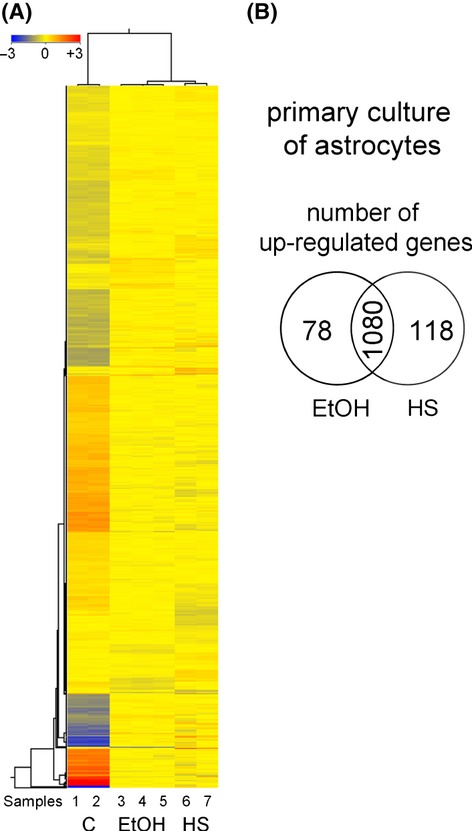
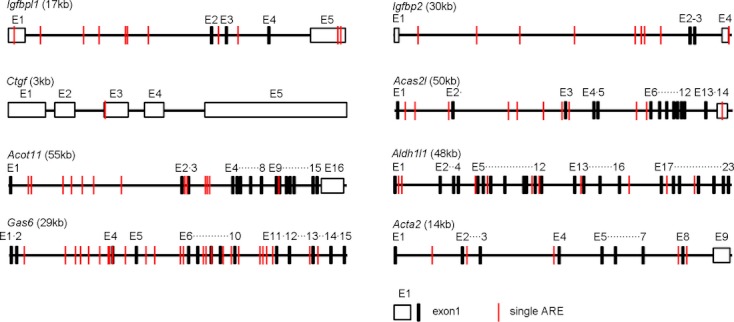
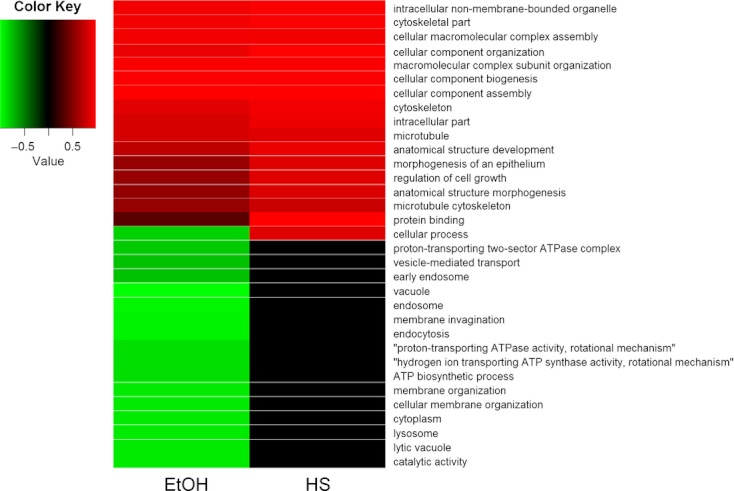
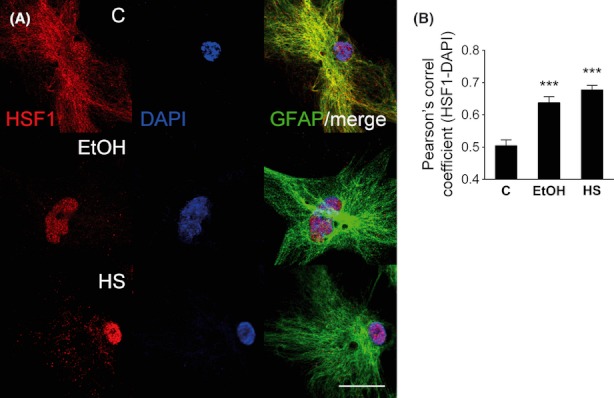
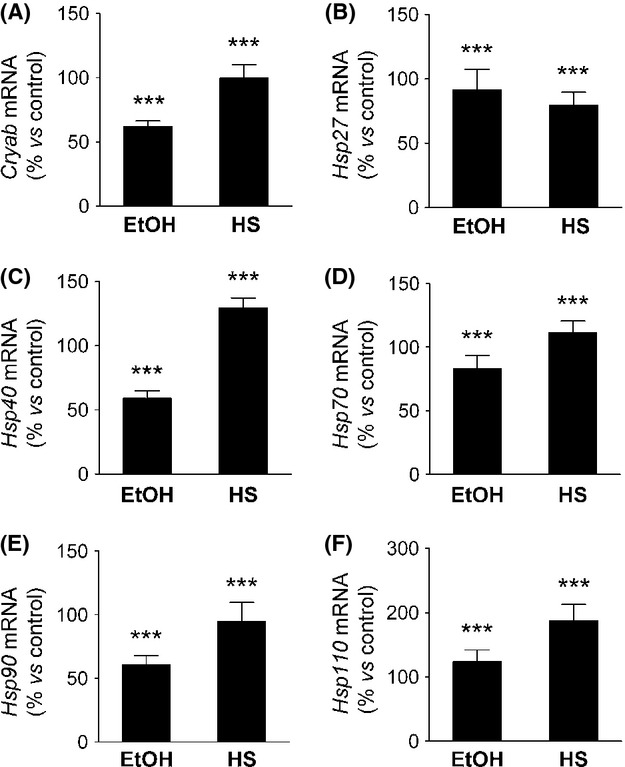
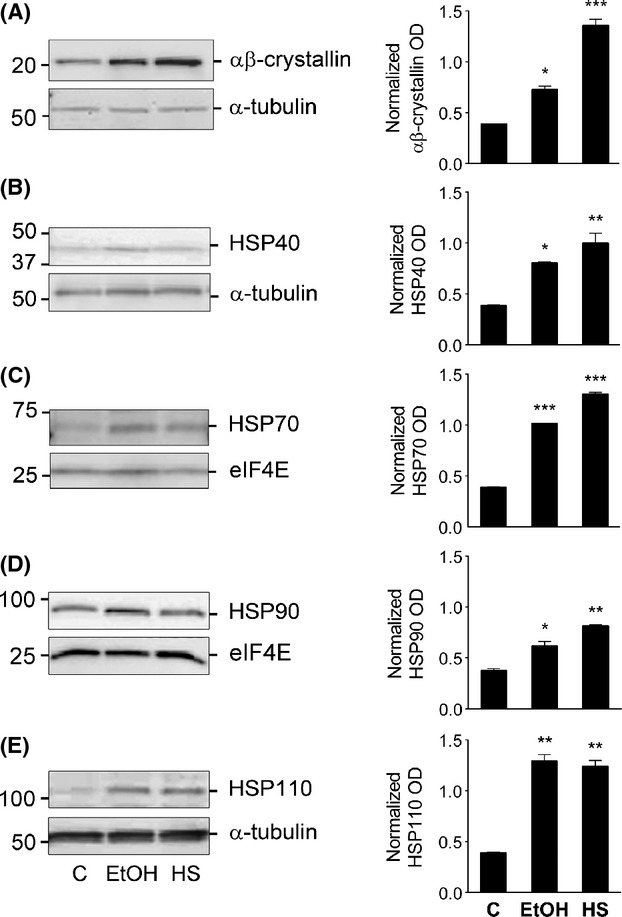
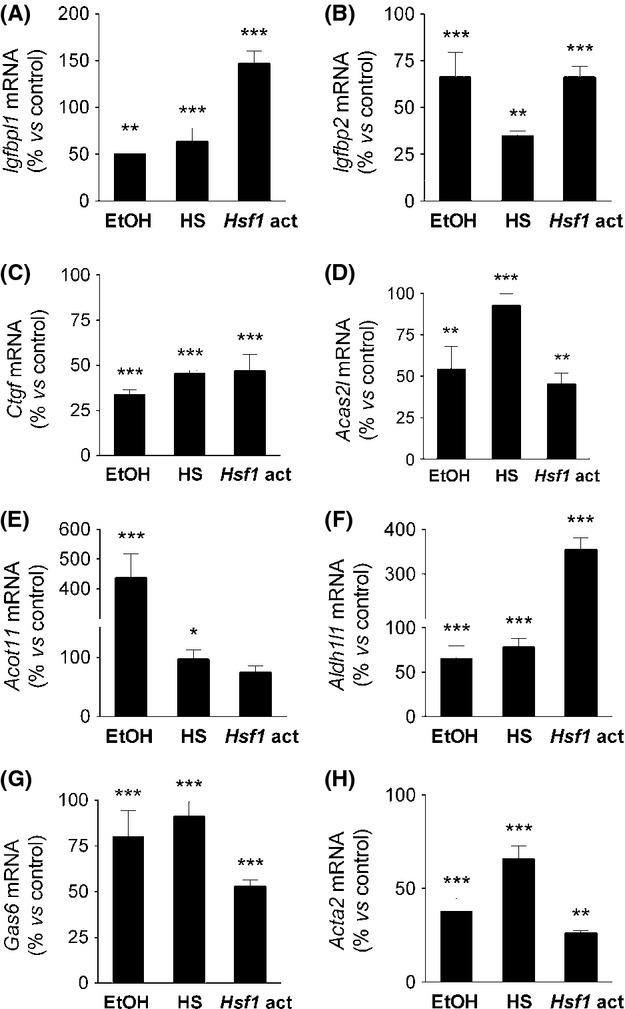
Astrocytes are critical for maintaining homeostasis in the central nervous system (CNS), and also participate in the genomic response of the brain to drugs of abuse, including alcohol. In this study, we investigated ethanol regulation of gene expression in astrocytes. A microarray screen revealed that a brief exposure of cortical astrocytes to ethanol increased the expression of a large number of genes. Among the alcohol-responsive genes (ARGs) are glial-specific immune response genes, as well as genes involved in the regulation of transcription, cell proliferation, and differentiation, and genes of the cytoskeleton and extracellular matrix. Genes involved in metabolism were also upregulated by alcohol exposure, including genes associated with oxidoreductase activity, insulin-like growth factor signaling, acetyl-CoA, and lipid metabolism. Previous microarray studies performed on ethanol-treated hepatocyte cultures and mouse liver tissue revealed the induction of almost identical classes of genes to those identified in our microarray experiments, suggesting that alcohol induces similar signaling mechanisms in the brain and liver. We found that acute ethanol exposure activated heat shock factor 1 (HSF1) in astrocytes, as demonstrated by the translocation of this transcription factor to the nucleus and the induction of a family of known HSF1-dependent genes, the heat shock proteins (Hsps). Transfection of a constitutively transcriptionally active Hsf1 construct into astrocytes induced many of the ARGs identified in our microarray study supporting the hypothesis that HSF1 transcriptional activity, as part of the heat shock cascade, may mediate the ethanol induction of these genes. These data indicate that acute ethanol exposure alters gene expression in astrocytes, in part via the activation of HSF1 and the heat shock cascade.
星形胶质细胞对于维持中枢神经系统(CNS)的内稳态至关重要,它们还参与到大脑对包括酒精在内的滥用药物的基因组反应中。在本研究中,我们研究了乙醇对星形胶质细胞基因表达的调控。通过微阵列筛选发现,皮质星形胶质细胞短暂暴露于乙醇中会增加大量基因的表达。在酒精应答基因(ARGs)中,既有神经胶质特异性免疫反应基因,也有参与转录调控、细胞增殖和分化的基因,还有细胞骨架和细胞外基质的基因。酒精暴露还上调了参与代谢的基因,包括与氧化还原酶活性、胰岛素样生长因子信号、乙酰辅酶 A 和脂质代谢相关的基因。先前在乙醇处理的肝细胞培养物和小鼠肝组织上进行的微阵列研究表明,诱导了与我们的微阵列实验中鉴定出的几乎相同的基因类别,这表明酒精在大脑和肝脏中诱导了相似的信号转导机制。我们发现急性乙醇暴露激活了星形胶质细胞中的热休克因子 1(HSF1),这表现为该转录因子向核内易位以及诱导一组已知的 HSF1 依赖性基因,即热休克蛋白(Hsps)。将组成型转录活性的 Hsf1 构建体转染到星形胶质细胞中,诱导了我们的微阵列研究中鉴定出的许多 ARGs,这支持了 HSF1 转录活性作为热休克级联的一部分可能介导这些基因的乙醇诱导的假说。这些数据表明,急性乙醇暴露改变了星形胶质细胞中的基因表达,部分是通过 HSF1 的激活和热休克级联实现的。