Perkins Amy, Lehmann Claudia, Lawrence R Charles, Kelly Sandra J
Department of Psychology, University of South Carolina, Columbia, SC, 29208, United States.
Int J Dev Neurosci. 2013 Oct;31(6):391-7. doi: 10.1016/j.ijdevneu.2013.03.010. Epub 2013 Mar 27.
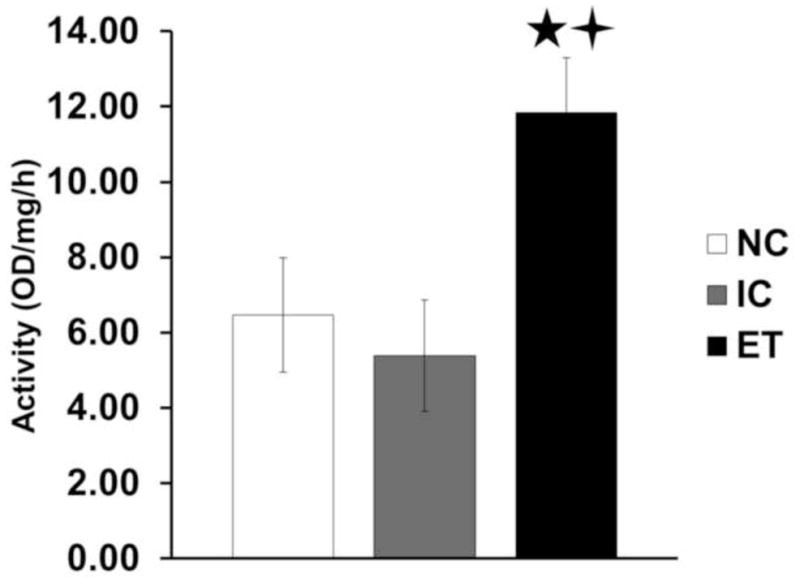
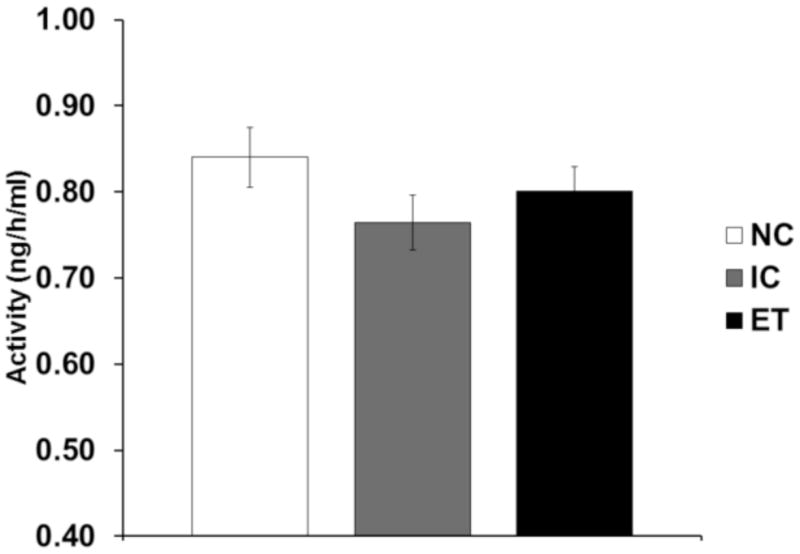
Fetal alcohol spectrum disorders represent a wide range of symptoms associated with in utero alcohol exposure. Animal models of FASD have been useful in determining the specific neurological consequences of developmental alcohol exposure, but the mechanisms of those consequences are unclear. Long-lasting changes to the epigenome are proposed as a mechanism of alcohol-induced teratogenesis in the hippocampus. The current study utilized a three-trimester rodent model of FASD to examine changes to some of the enzymatic regulators of the epigenome in adolescence. Combined pre- and post-natal alcohol exposureresulted in a significant increase in DNA methyltransferase activity (DNMT), without affecting histone deacetylase activity (HDAC). Developmental alcohol exposure also caused a change in gene expression of regulators of the epigenome, in particular, DNMT1, DNMT3a, and methyl CpG binding protein 2 (MeCP2). The modifications of the activity and expression of epigenetic regulators in the hippocampus of rodents perinatally exposed to alcohol suggest that alcohol's impact on the epigenome and its regulators may be one of the underlying mechanisms of alcohol teratogenesis.
胎儿酒精谱系障碍表现出与子宫内酒精暴露相关的一系列症状。胎儿酒精谱系障碍的动物模型有助于确定发育过程中酒精暴露的特定神经学后果,但其后果的机制尚不清楚。表观基因组的长期变化被认为是酒精诱导海马体致畸的一种机制。本研究利用一个三期的胎儿酒精谱系障碍啮齿动物模型,来研究青春期表观基因组的一些酶调节因子的变化。产前和产后酒精联合暴露导致DNA甲基转移酶活性(DNMT)显著增加,而不影响组蛋白脱乙酰酶活性(HDAC)。发育过程中的酒精暴露还导致表观基因组调节因子的基因表达发生变化,特别是DNMT1、DNMT3a和甲基CpG结合蛋白2(MeCP2)。围产期暴露于酒精的啮齿动物海马体中表观遗传调节因子的活性和表达的改变表明,酒精对表观基因组及其调节因子的影响可能是酒精致畸的潜在机制之一。