Department of Neuroscience and Experimental Therapeutics, Texas A&M University Health Science Center, Texas A&M University, Bryan, TX 77807, USA.
Int J Mol Sci. 2021 Aug 16;22(16):8785. doi: 10.3390/ijms22168785.
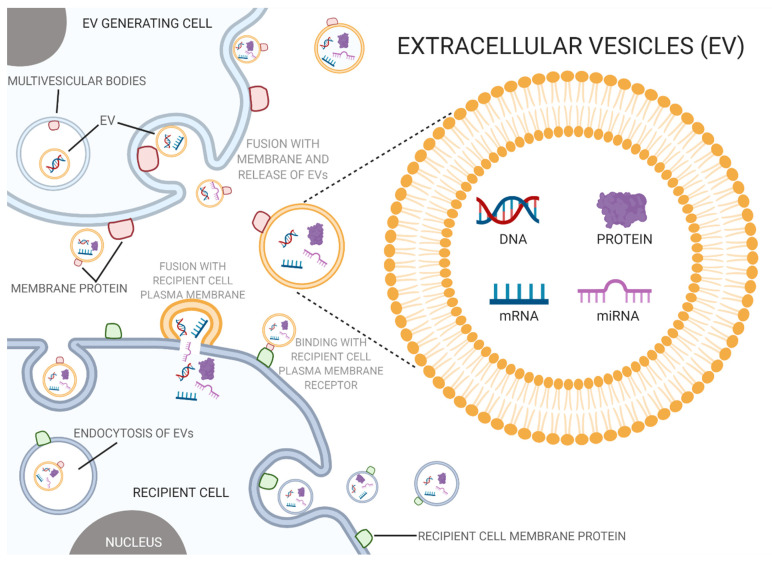
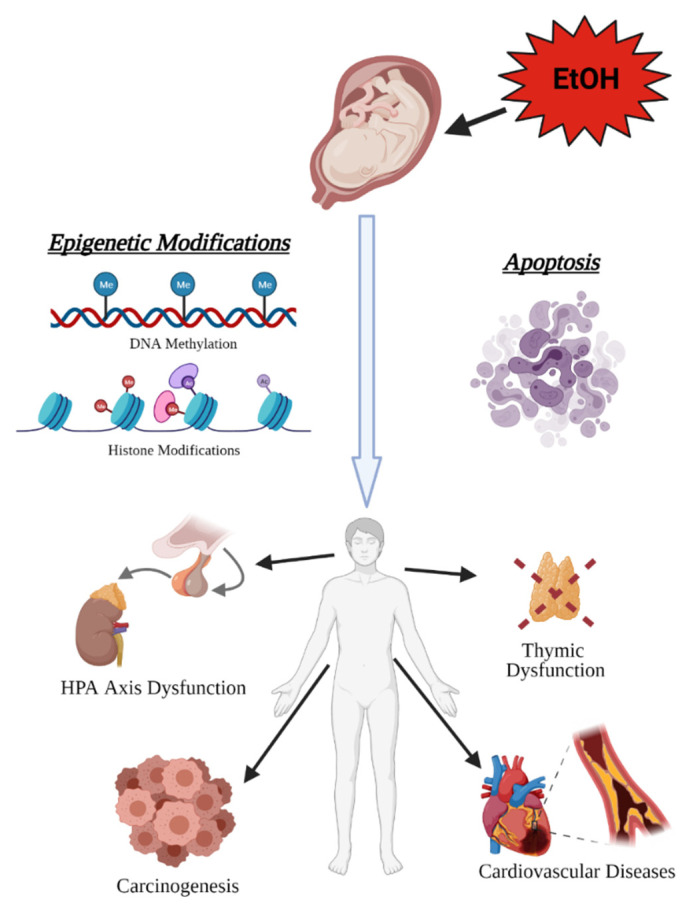
Prenatal alcohol exposure (PAE) can have immediate and long-lasting toxic and teratogenic effects on an individual's development and health. As a toxicant, alcohol can lead to a variety of physical and neurological anomalies in the fetus that can lead to behavioral and other impairments which may last a lifetime. Recent studies have focused on identifying mechanisms that mediate the immediate teratogenic effects of alcohol on fetal development and mechanisms that facilitate the persistent toxic effects of alcohol on health and predisposition to disease later in life. This review focuses on the contribution of epigenetic modifications and intercellular transporters like extracellular vesicles to the toxicity of PAE and to immediate and long-term consequences on an individual's health and risk of disease.
产前酒精暴露 (PAE) 会对个体的发育和健康产生即时和持久的毒性和致畸作用。作为一种有毒物质,酒精会导致胎儿出现各种身体和神经异常,从而导致行为和其他损伤,这些损伤可能会持续一生。最近的研究集中在确定介导酒精对胎儿发育的即时致畸作用的机制,以及促进酒精对健康的持久毒性作用和晚年患病易感性的机制。本综述重点介绍了表观遗传修饰和细胞外囊泡等细胞间转运体对 PAE 毒性以及对个体健康和疾病风险的即时和长期后果的贡献。