Dipartimento di Fisiopatologia medico-chirurgica e dei trapianti, Università degli Studi di Milano, A.O. San Paolo - Polo Universitario, Via A. Di Rudinì, 8-20142, Milan, Italy.
Trials. 2013 Apr 3;14:92. doi: 10.1186/1745-6215-14-92.
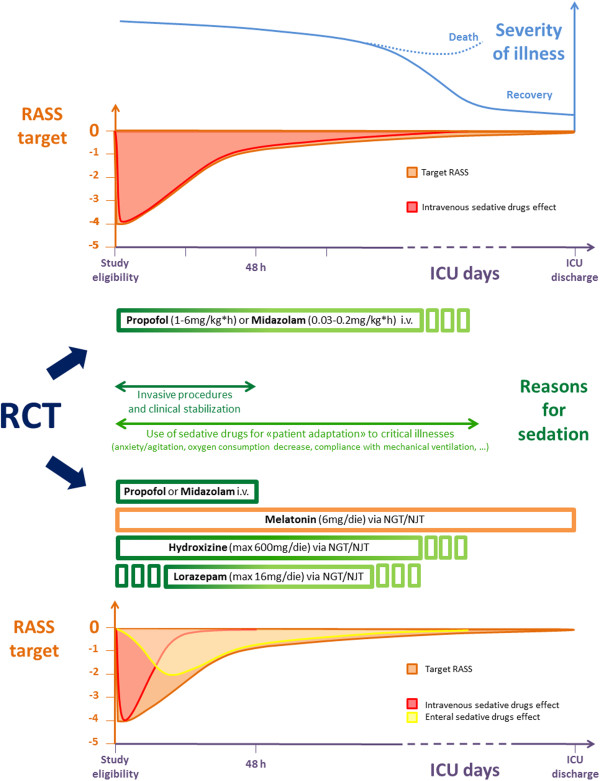
A relevant innovation about sedation of long-term Intensive Care Unit (ICU) patients is the 'conscious target': patients should be awake even during the critical phases of illness. Enteral sedative administration is nowadays unusual, even though the gastrointestinal tract works soon after ICU admission. The enteral approach cannot produce deep sedation; however, it is as adequate as the intravenous one, if the target is to keep patients awake and adapted to the environment, and has fewer side effects and lower costs.
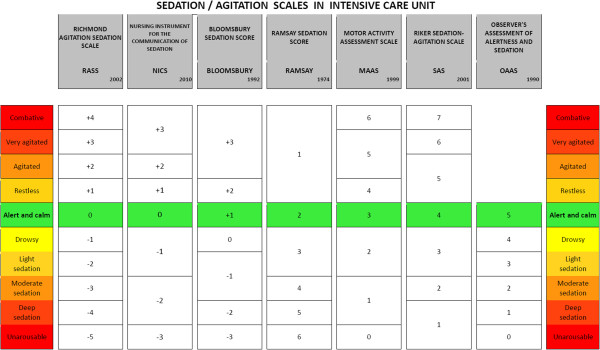
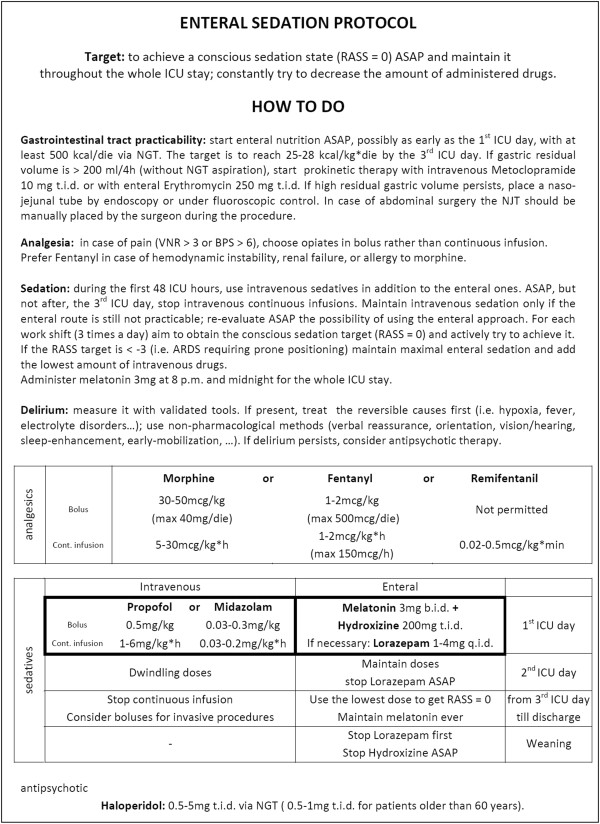
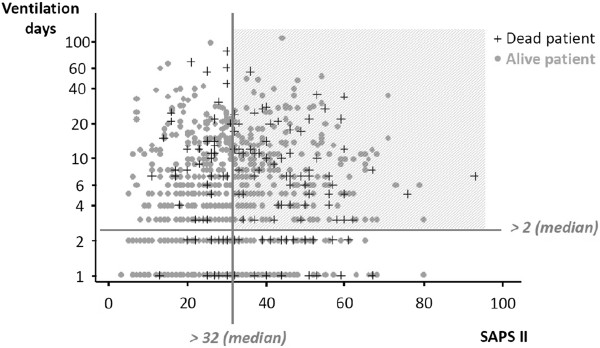
METHODS/DESIGN: A randomized, controlled, multicenter, single-blind trial comparing enteral and intravenous sedative treatments has been done in 12 Italian ICUs. The main objective was to achieve and maintain the desired sedation level: observed RASS = target RASS ± 1. Three hundred high-risk patients were planned to be randomly assigned to receive either intravenous propofol/midazolam or enteral melatonin/hydroxyzine/lorazepam. Group assignment occurred through online minimization process, in order to balance variables potentially influencing the outcomes (age, sex, SAPS II, type of admission, kidney failure, chronic obstructive pulmonary disease, sepsis) between groups. Once per shift, the staff recorded neurological monitoring using validated tools. Three flowcharts for pain, sedation, and delirium have been proposed; they have been designed to treat potentially correctable factors first, and, only once excluded, to administer neuroactive drugs. The study lasted from January 24 to December 31, 2012. A total of 348 patients have been randomized, through a centralized website, using a specific software expressly designed for this study. The created network of ICUs included a mix of both university and non-university hospitals, with different experience in managing enteral sedation. A dedicated free-access website was also created, in both Italian and English, for continuous education of ICU staff through CME courses.
This 'educational research' project aims both to compare two sedative strategies and to highlight the need for a profound cultural change, improving outcomes by keeping critically-ill patients awake.
Clinicaltrials.gov #NCT01360346.
长期重症监护病房(ICU)患者镇静的一个相关创新是“意识目标”:即使在疾病的关键阶段,患者也应保持清醒。目前,肠内镇静剂的应用并不常见,尽管患者在入住 ICU 后不久胃肠道就开始工作。肠内途径不能产生深度镇静;然而,如果目标是使患者保持清醒并适应环境,那么它与静脉途径一样有效,而且副作用更少,成本更低。
方法/设计:在意大利的 12 家 ICU 中进行了一项比较肠内和静脉镇静治疗的随机、对照、多中心、单盲试验。主要目的是达到并维持所需的镇静水平:观察 RASS=目标 RASS±1。计划将 300 名高危患者随机分配接受静脉注射丙泊酚/咪达唑仑或肠内褪黑素/羟嗪/劳拉西泮治疗。组分配通过在线最小化过程进行,以平衡可能影响结果的变量(年龄、性别、SAPS II、入院类型、肾衰竭、慢性阻塞性肺疾病、败血症)。工作人员每班次使用经过验证的工具记录神经监测。提出了三个用于疼痛、镇静和谵妄的流程图;它们旨在首先治疗潜在可纠正的因素,只有在排除后,才给予神经活性药物。研究于 2012 年 1 月 24 日至 12 月 31 日进行。总共 348 名患者通过集中网站使用专门为此研究设计的特定软件进行了随机分组。创建的 ICU 网络包括大学和非大学医院的混合体,在管理肠内镇静方面具有不同的经验。还创建了一个专门的免费访问网站,同时提供意大利语和英语版本,通过 CME 课程为 ICU 工作人员提供持续教育。
这个“教育研究”项目旨在比较两种镇静策略,并强调需要进行深刻的文化变革,通过使重症患者保持清醒来改善结果。
Clinicaltrials.gov #NCT01360346。