Broad Institute of MIT and Harvard, Cambridge, MA USA.
Virulence. 2013 May 15;4(4):273-83. doi: 10.4161/viru.23987. Epub 2013 Apr 5.
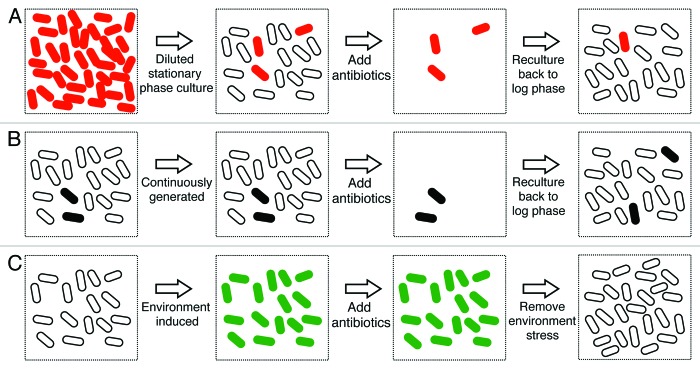
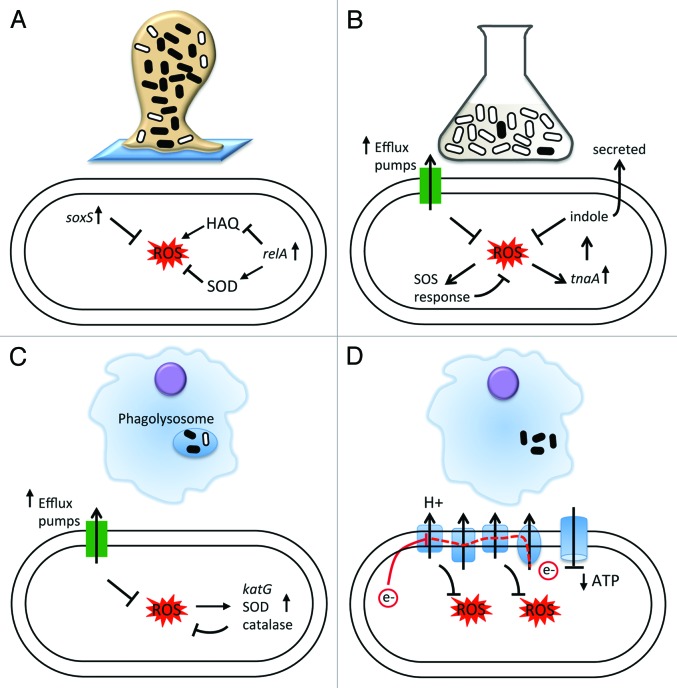
Certain bacterial pathogens are able to evade the host immune system and persist within the human host. The consequences of persistent bacterial infections potentially include increased morbidity and mortality from the infection itself as well as an increased risk of dissemination of disease. Eradication of persistent infections is difficult, often requiring prolonged or repeated courses of antibiotics. During persistent infections, a population or subpopulation of bacteria exists that is refractory to traditional antibiotics, possibly in a non-replicating or metabolically altered state. This review highlights the clinical significance of persistent infections and discusses different in vitro models used to investigate the altered physiology of bacteria during persistent infections. We specifically focus on recent work establishing increased protection against oxidative stress as a key element of the altered physiologic state across different in vitro models and pathogens.
某些细菌病原体能够逃避宿主免疫系统并在人体宿主内持续存在。持续性细菌感染的后果可能包括感染本身的发病率和死亡率增加,以及疾病传播的风险增加。持续性感染的消除很困难,通常需要长时间或重复使用抗生素。在持续性感染期间,细菌种群或亚种群对传统抗生素具有抗药性,可能处于非复制或代谢改变的状态。本综述强调了持续性感染的临床意义,并讨论了用于研究持续性感染期间细菌生理改变的不同体外模型。我们特别关注最近的工作,这些工作确立了对氧化应激的增强保护作为不同体外模型和病原体中改变的生理状态的关键因素。