Developmental Brain-Behaviour Laboratory, Institute for Disorders of Impulse and Attention, School of Psychology, University of Southampton, Highfield Campus, Southampton, SO17 1BJ, UK,
Eur Child Adolesc Psychiatry. 2013 Nov;22(11):653-70. doi: 10.1007/s00787-013-0401-2. Epub 2013 Apr 6.
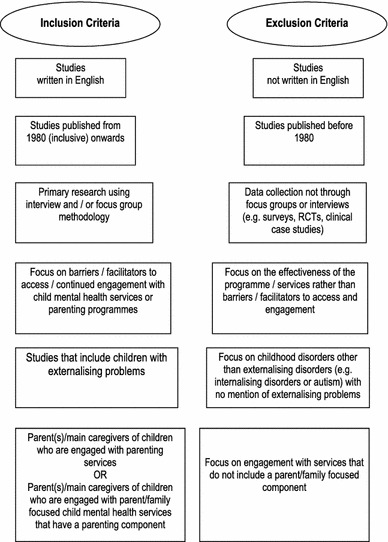
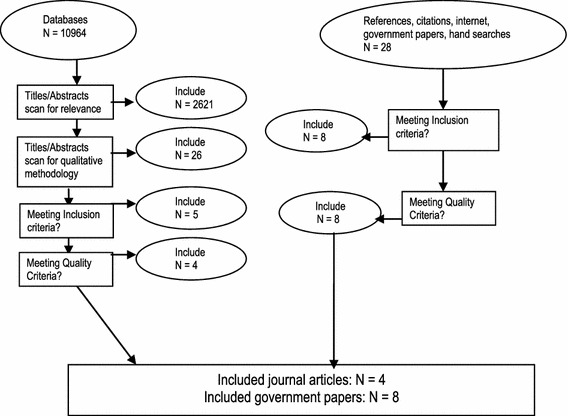
Disruptive behaviour problems (DBPs) during childhood exert a high burden on individuals, families and the community as a whole. Reducing this impact is a major public health priority. Early parenting interventions are recommended as valuable ways to target DBPs; however, low take-up of, and high drop-out rates from, these programmes seriously reduce their effectiveness. We present a review of published qualitative evidence relating to factors that block or facilitate access and engagement of parents with such programmes using a thematic synthesis approach. 12 papers presenting views of both parents and professionals met our inclusion and quality criteria. A large number of barriers were identified highlighting the array of challenges parents can face when considering accessing and engaging with treatment for their child with behavioural problems. Facilitating factors in this area were also identified. A series of recommendations were made with regard to raising awareness of programmes and recruiting parents, providing flexible and individually tailored support, delivering programmes through highly skilled, trained and knowledgeable therapists, and highlighting factors to consider when delivering group-based programmes. Clinical guidelines should address barriers and facilitators of engagement as well as basic efficacy of treatment approaches.
儿童时期的破坏性行为问题 (DBP) 给个人、家庭和整个社区带来了沉重的负担。减轻这种影响是公共卫生的主要优先事项。早期育儿干预被推荐为针对 DBP 的有价值方法;然而,这些项目的参与率低和高退出率严重降低了它们的效果。我们使用主题综合方法,对与父母参与这些项目的障碍或促进因素相关的已发表定性证据进行了综述。12 篇论文提出了父母和专业人士的观点,符合我们的纳入和质量标准。确定了大量的障碍,突出了父母在考虑为其有行为问题的孩子寻求和参与治疗时可能面临的一系列挑战。在这一领域还确定了促进因素。就提高对项目的认识和招募父母、提供灵活和个性化的支持、通过高度熟练、训练有素和知识渊博的治疗师提供项目以及强调在提供基于小组的项目时需要考虑的因素提出了一系列建议。临床指南应解决参与的障碍和促进因素以及治疗方法的基本疗效。