Department of Urology, Northwestern University Feinberg School of Medicine, Chicago, IL, USA.
PLoS One. 2013;8(4):e60987. doi: 10.1371/journal.pone.0060987. Epub 2013 Apr 5.
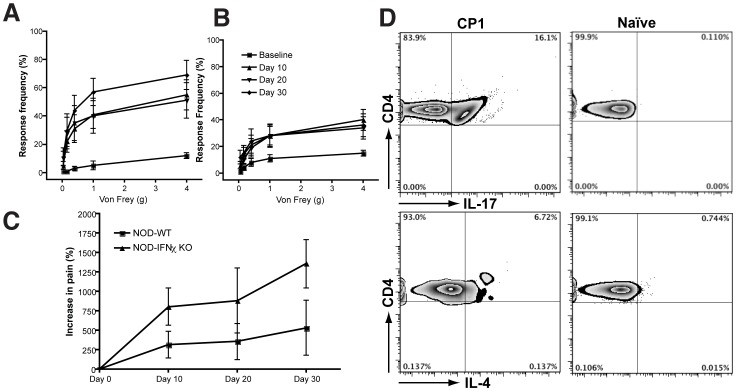
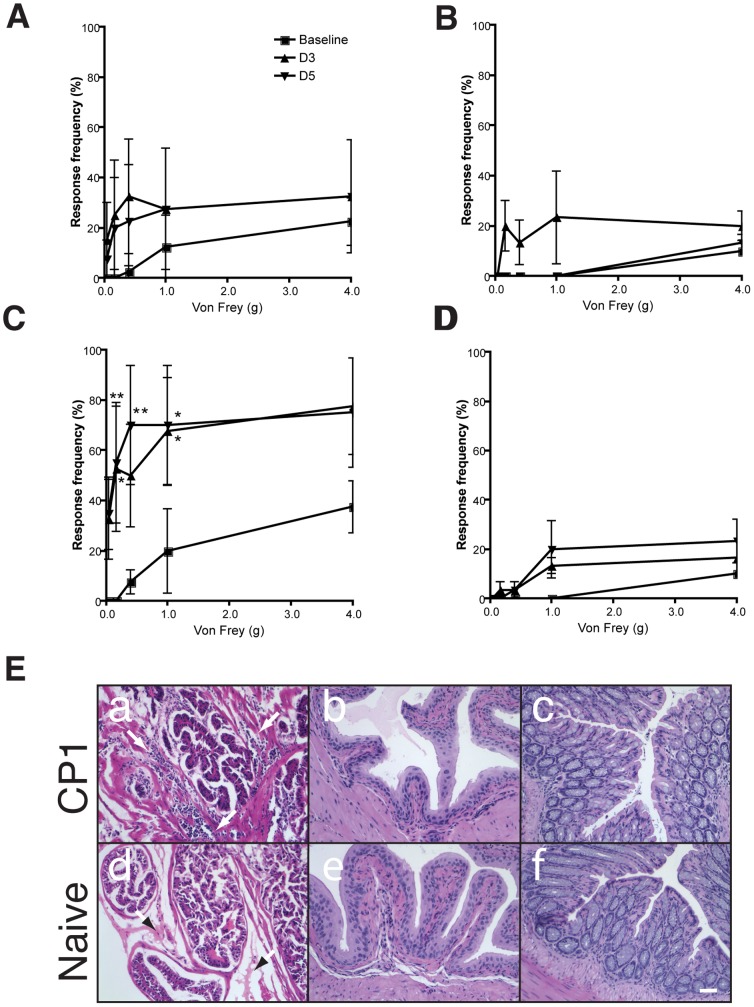
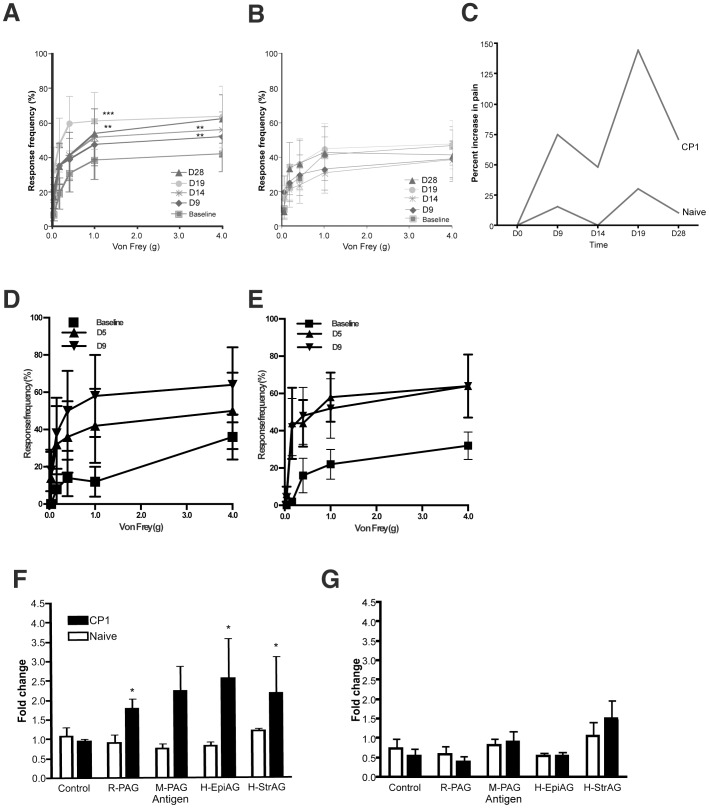
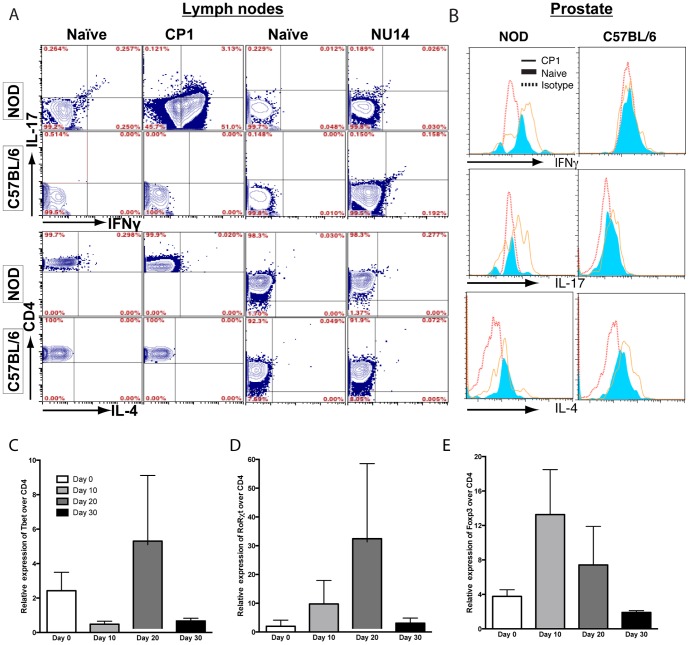
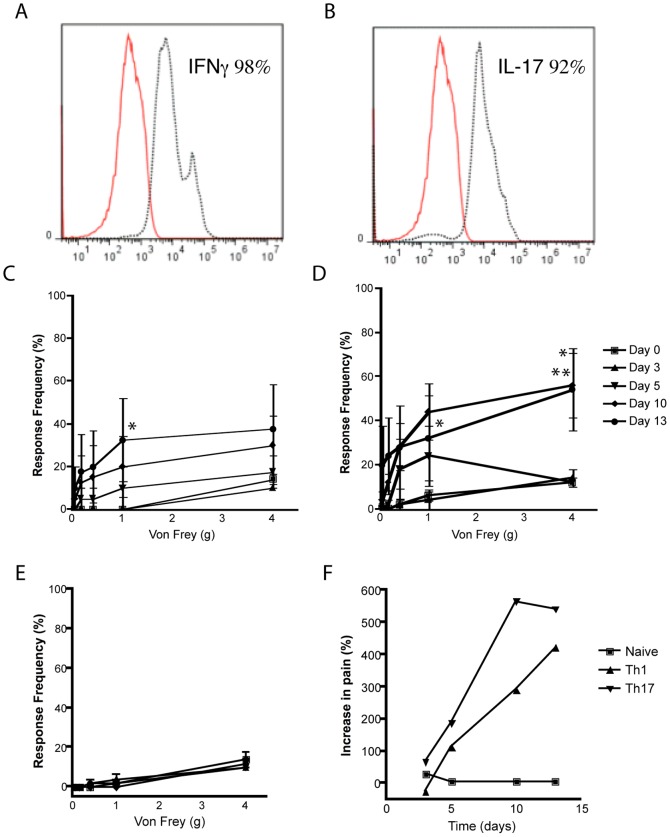
The etiology of chronic prostatitis/chronic pelvic pain syndrome in men is unknown but may involve microbes and autoimmune mechanisms. We developed an infection model of chronic pelvic pain in NOD/ShiLtJ (NOD) mice with a clinical Escherichia coli isolate (CP-1) from a patient with chronic pelvic pain. We investigated pain mechanisms in NOD mice and compared it to C57BL/6 (B6) mice, a strain resistant to CP-1-induced pain. Adoptive transfer of CD4+ T cells, but not serum, from CP-1-infected NOD mice was sufficient to induce chronic pelvic pain. CD4+ T cells in CP-1-infected NOD mice expressed IFN-γ and IL-17A but not IL-4, consistent with a Th1/Th17 immune signature. Adoptive transfer of ex-vivo expanded IFN-γ or IL-17A-expressing cells was sufficient to induce pelvic pain in naïve NOD recipients. Pelvic pain was not abolished in NOD-IFN-γ-KO mice but was associated with an enhanced IL-17A immune response to CP1 infection. These findings demonstrate a novel role for Th1 and Th17-mediated adaptive immune mechanisms in chronic pelvic pain.
男性慢性前列腺炎/慢性骨盆疼痛综合征的病因不明,但可能涉及微生物和自身免疫机制。我们使用来自慢性骨盆疼痛患者的临床大肠杆菌分离株(CP-1)在 NOD/ShiLtJ(NOD)小鼠中建立了慢性骨盆疼痛感染模型。我们研究了 NOD 小鼠中的疼痛机制,并将其与 C57BL/6(B6)小鼠进行了比较,B6 是一种对 CP-1 诱导的疼痛具有抗性的品系。从 CP-1 感染的 NOD 小鼠中过继转移 CD4+T 细胞而非血清足以诱导慢性骨盆疼痛。CP-1 感染的 NOD 小鼠中的 CD4+T 细胞表达 IFN-γ 和 IL-17A,但不表达 IL-4,这与 Th1/Th17 免疫特征一致。过继转移体外扩增的 IFN-γ 或 IL-17A 表达细胞足以在 naive NOD 受体中诱导骨盆疼痛。在 NOD-IFN-γ-KO 小鼠中,骨盆疼痛并未消除,但与 CP1 感染时增强的 IL-17A 免疫反应有关。这些发现表明 Th1 和 Th17 介导的适应性免疫机制在慢性骨盆疼痛中具有新的作用。