Graduate School of Horticulture, Chiba University, 648 Matsudo Matsudo-shi, Chiba, 271-8510, Japan.
J Physiol Anthropol. 2013 Apr 15;32(1):7. doi: 10.1186/1880-6805-32-7.
Numerous studies have reported on the healing powers of plants and nature, but there have not been so many instances of experimental research. In particular, there are very few psychological and physiological studies using tactile stimuli. This study examines the psychological and physiological effects of touching plant foliage by using an evaluation profile of the subjects' impressions and investigating cerebral blood flow.
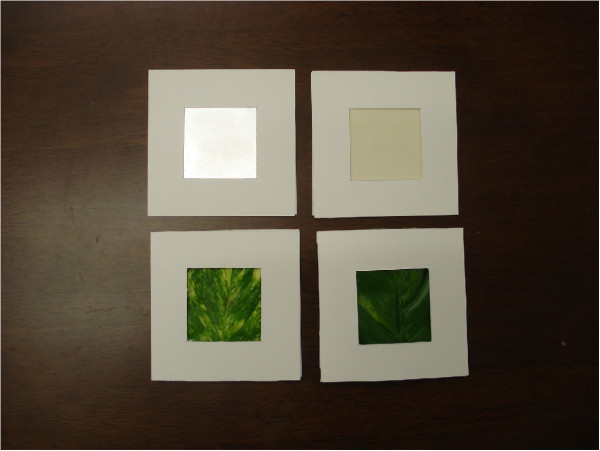
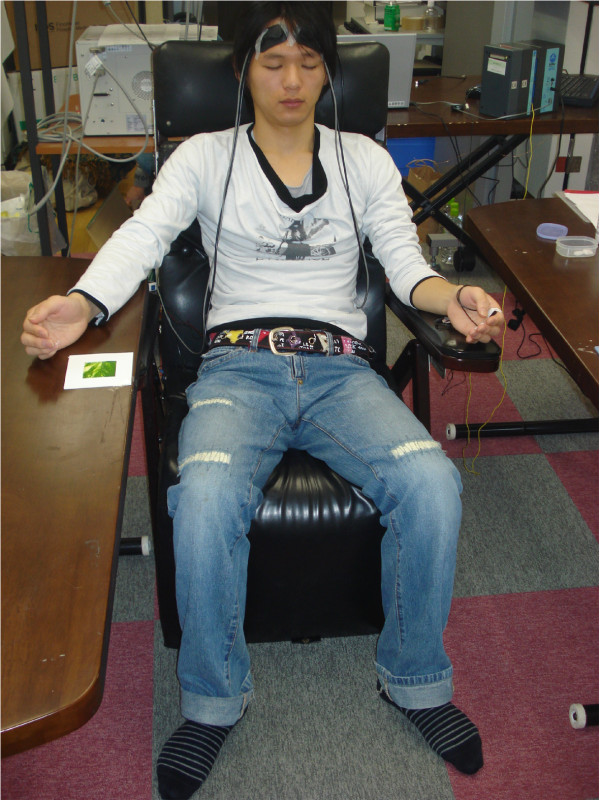
The subjects were 14 young Japanese men aged from 21 to 27 years (mean ± standard deviation: 23.6 ± 2.4). With their eyes closed, the subjects touched four different tactile samples including a leaf of natural pothos (Epipremnum aureum). The physiological indices were compared before and after each stimulus. Psychological indices were obtained using a 'semantic differential' method.
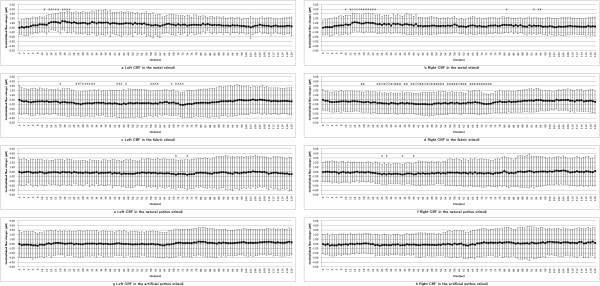
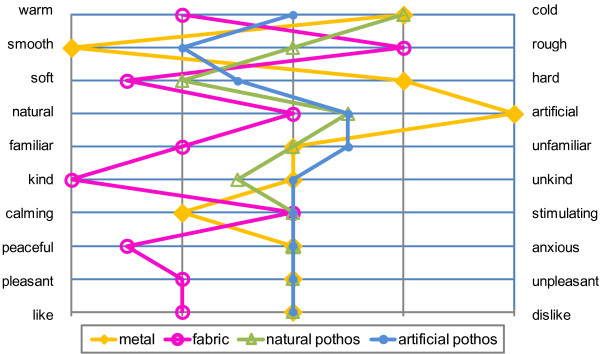
The fabric stimulus gave people 'soft' and 'rough' impressions, 'kind', 'peaceful' and 'pleasant' feelings psychologically, and a sense of physiological calm. On the other hand, the metal stimulus gave people 'cold', 'smooth' and 'hard' impressions and an image of something 'artificial'. The metal stimulus caused a stress response in human cerebral blood flow although its evaluation in terms of 'pleasant or unpleasant' was neutral. There were no remarkable differences between the stimuli of natural and artificial pothos compared with other types of stimulus psychologically. However, only the natural pothos stimulus showed a sense of physiological calm in the same appearance as the fabric stimulus.
This study shows that people experience an unconscious calming reaction to touching a plant. It is to be concluded that plants are an indispensable element of the human environment.
许多研究报告了植物和自然的治愈力量,但很少有实验研究。特别是,使用触觉刺激的心理和生理研究非常少。本研究通过评估受试者印象和调查大脑血液流动来检验触摸植物叶子的心理和生理效应。
14 名年龄在 21 至 27 岁(平均 ± 标准差:23.6 ± 2.4)的年轻日本男性参与了这项研究。在闭眼的情况下,受试者触摸了四种不同的触觉样本,包括天然绿萝(Epipremnum aureum)的叶子。在每个刺激前后比较生理指标。使用“语义差异”方法获得心理指标。
织物刺激给人“柔软”和“粗糙”的印象,心理上是“友善”、“平和”和“愉快”的感觉,以及生理上的平静感。另一方面,金属刺激给人“冷”、“光滑”和“硬”的印象,以及“人工”的形象。尽管金属刺激在“愉快或不愉快”方面的评价是中性的,但它会引起人类大脑血液流动的应激反应。与其他类型的刺激相比,天然和人工绿萝的刺激在心理上没有显著差异。然而,只有天然绿萝的刺激在与织物刺激相同的外观下显示出生理上的平静感。
本研究表明,人们在触摸植物时会无意识地产生平静反应。可以得出结论,植物是人类环境中不可或缺的元素。