Department of Biomedical Engineering, Illinois Institute of Technology, Chicago, Illinois, United States of America.
PLoS One. 2013 Apr 9;8(4):e60728. doi: 10.1371/journal.pone.0060728. Print 2013.
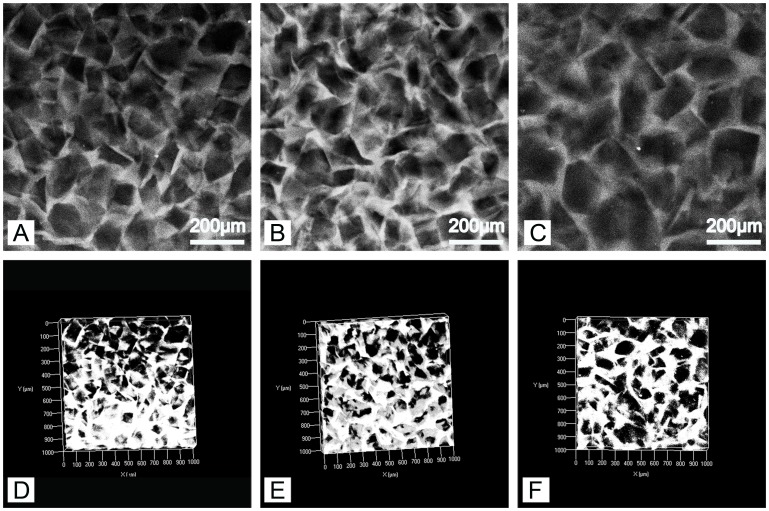
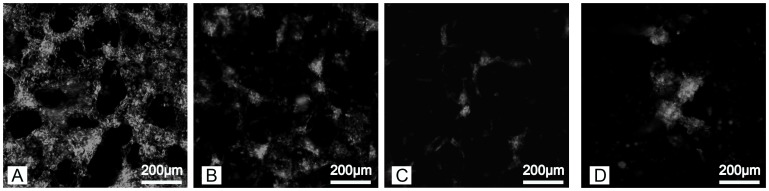
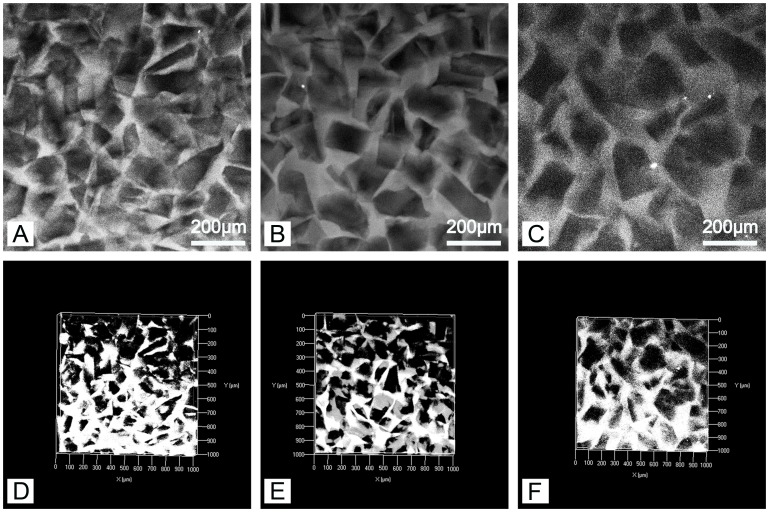
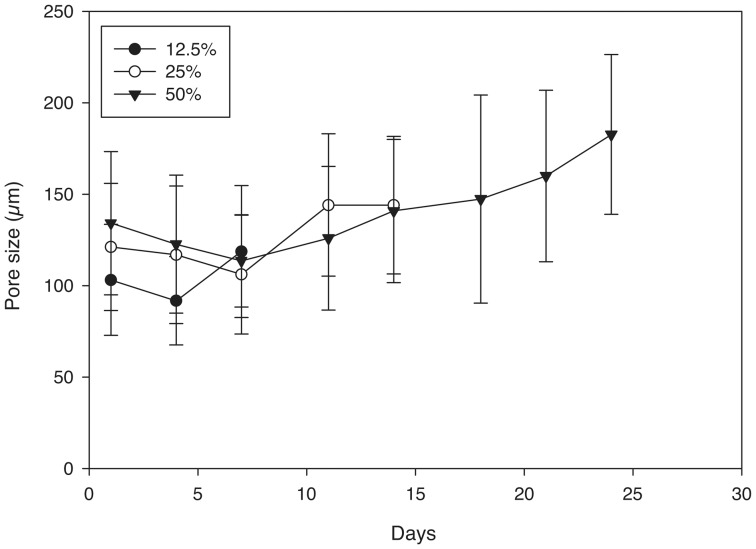
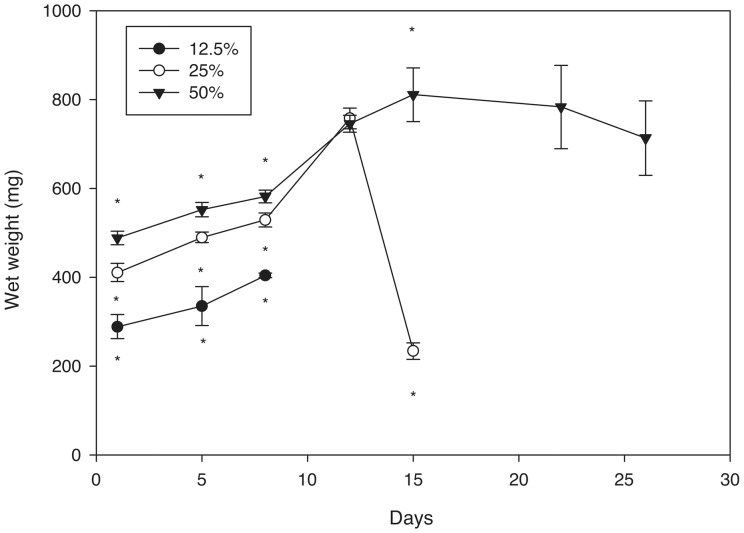
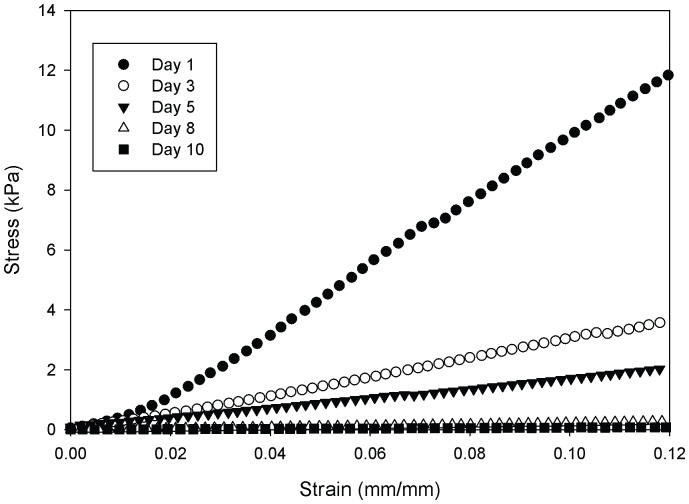
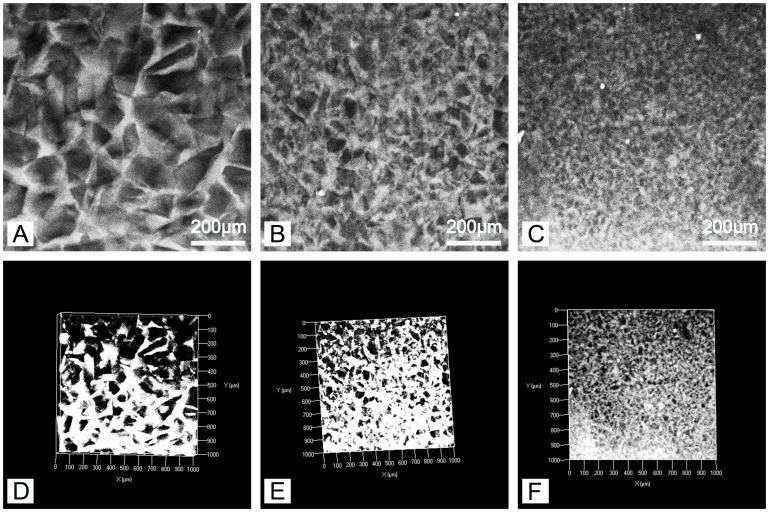
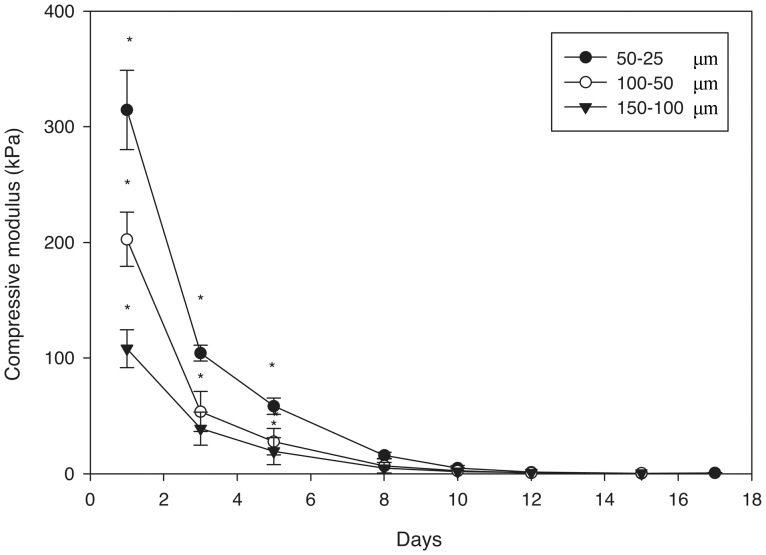
Porous hydrogels of poly(ethylene glycol) (PEG) have been shown to facilitate vascularized tissue formation. However, PEG hydrogels exhibit limited degradation under physiological conditions which hinders their ultimate applicability for tissue engineering therapies. Introduction of poly(L-lactic acid) (PLLA) chains into the PEG backbone results in copolymers that exhibit degradation via hydrolysis that can be controlled, in part, by the copolymer conditions. In this study, porous, PEG-PLLA hydrogels were generated by solvent casting/particulate leaching and photopolymerization. The influence of polymer conditions on hydrogel architecture, degradation and mechanical properties was investigated. Autofluorescence exhibited by the hydrogels allowed for three-dimensional, non-destructive monitoring of hydrogel structure under fully swelled conditions. The initial pore size depended on particulate size but not polymer concentration, while degradation time was dependent on polymer concentration. Compressive modulus was a function of polymer concentration and decreased as the hydrogels degraded. Interestingly, pore size did not vary during degradation contrary to what has been observed in other polymer systems. These results provide a technique for generating porous, degradable PEG-PLLA hydrogels and insight into how the degradation, structure, and mechanical properties depend on synthesis conditions.
聚乙二醇(PEG)多孔水凝胶已被证明有助于血管化组织的形成。然而,PEG 水凝胶在生理条件下的降解有限,这限制了它们在组织工程治疗中的最终应用。将聚(L-乳酸)(PLLA)链引入 PEG 主链中,会得到通过水解降解的共聚物,其降解可以部分通过共聚物条件来控制。在这项研究中,通过溶剂浇铸/颗粒浸出和光聚合生成了多孔的 PEG-PLLA 水凝胶。研究了聚合物条件对水凝胶结构、降解和机械性能的影响。水凝胶的自发荧光允许在完全溶胀条件下对水凝胶结构进行三维、非破坏性监测。初始孔径取决于颗粒大小而不取决于聚合物浓度,而降解时间取决于聚合物浓度。压缩模量是聚合物浓度的函数,随着水凝胶的降解而降低。有趣的是,与在其他聚合物体系中观察到的情况相反,在降解过程中孔径并没有变化。这些结果提供了一种生成多孔可降解 PEG-PLLA 水凝胶的技术,并深入了解降解、结构和机械性能如何取决于合成条件。