Department of Pediatrics, Ruijin Hospital, Shanghai Jiao Tong University School of Medicine, 197 Ruijin Er Road, Shanghai 200025, China.
J Transl Med. 2013 Apr 29;11:103. doi: 10.1186/1479-5876-11-103.
Interactions between dendritic cells (DCs) and T cells play a critical role in the development of glomerulonephritis, which is a common cause of chronic kidney disease. DC-specific intercellular adhesion molecule-3-grabbing non-integrin (DC-SIGN), an immune-regulating molecule of the C-type lectin family, is mainly expressed on DCs and mediates DC adhesion and migration, inflammation, activation of primary T cells. DC-SIGN triggers immune responses and is involved in the immune escape of pathogens and tumours. In addition, ligation of DC-SIGN on DCs actively primes DCs to induce Tregs. Under certain conditions, DC-SIGN signalling may result in inhibition of DC maturation, by promoting regulatory T cell (Treg) function and affecting Th1/Th2 bias.
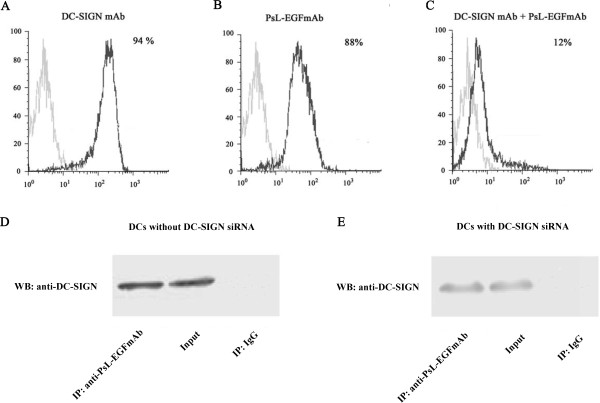
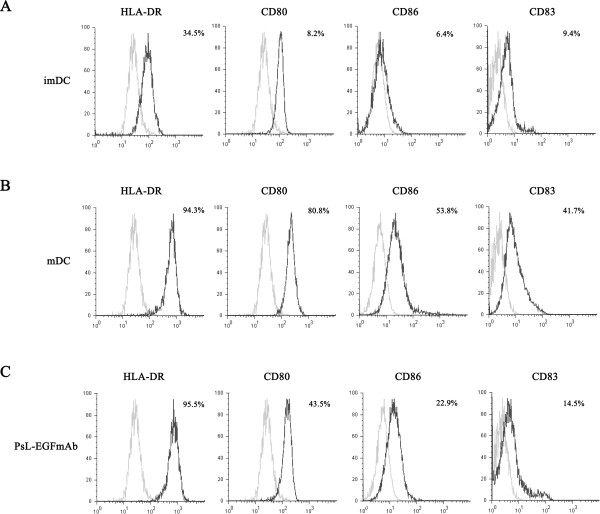
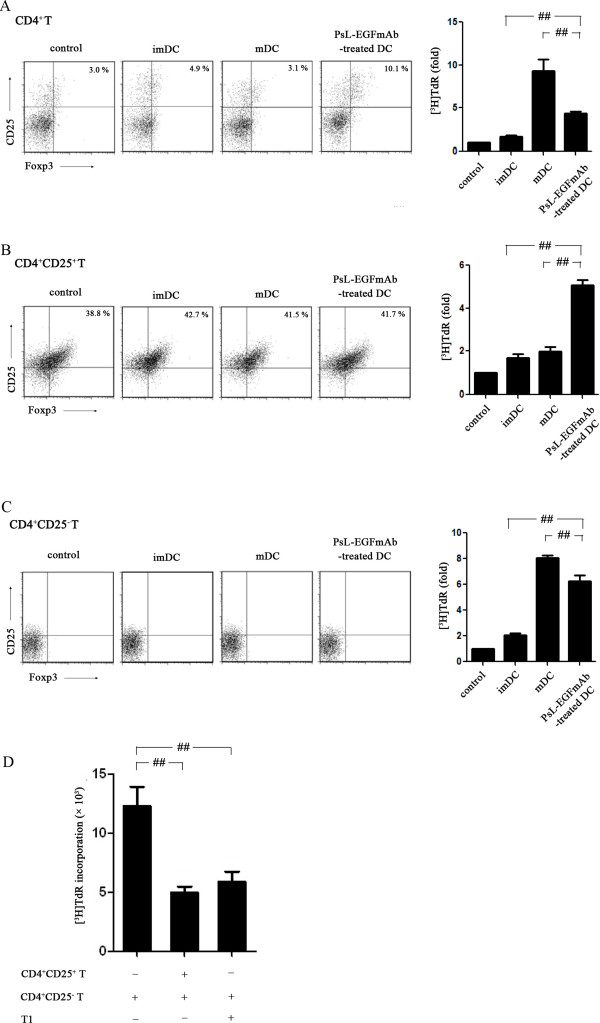
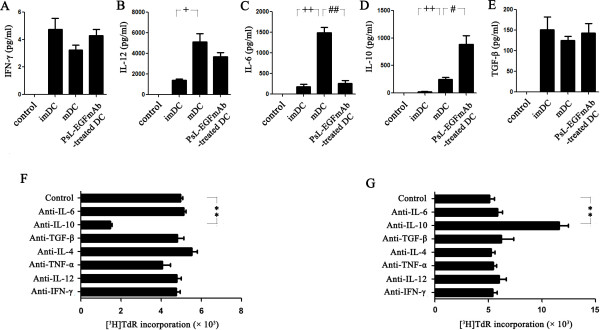
A rat model of nephrotoxic nephritis was used to investigate the therapeutic effects of an anti-lectin-epidermal growth factor (EGF) antibody on glomerulonephritis. DCs were induced by human peripheral blood mononuclear cells in vitro. The expression of DC surface antigens were detected using flow cytometry; the levels of cytokines were detected by ELISA and qPCR, respectively; the capability of DCs to stimulate T cell proliferation was examined by mixed lymphocyte reaction; PsL-EGFmAb targeting to DC-SIGN on DCs was identified by immunoprecipitation.
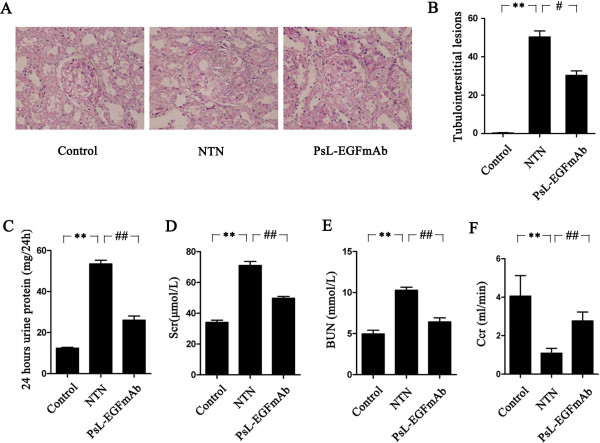
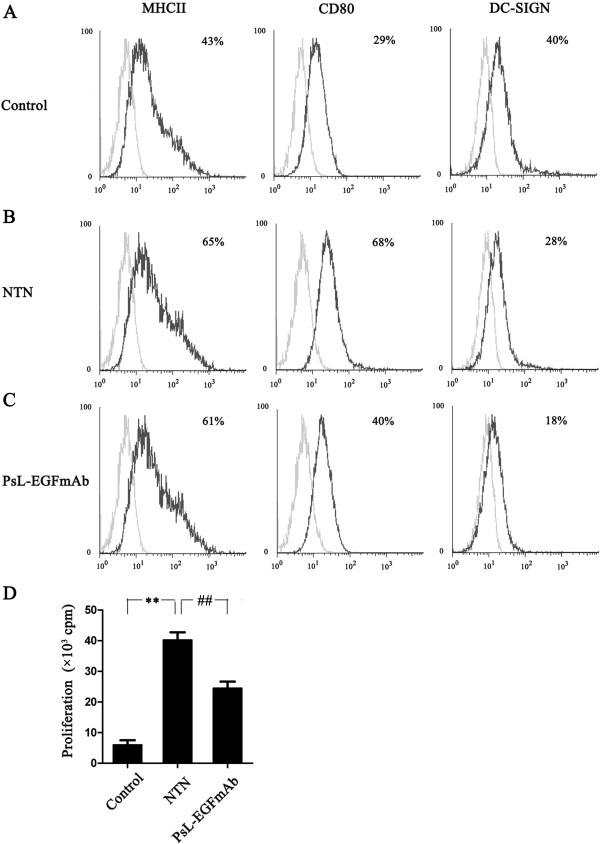
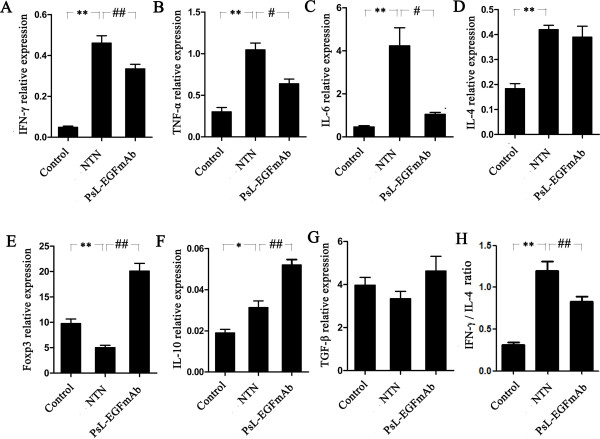
Anti-Lectin-EGF antibody significantly reduced global crescent formation, tubulointerstitial injury and improved renal function impairment through inhibiting DC maturation and modulating Foxp3 expression and the Th1/Th2 cytokine balance in kidney. Binding of anti-Lectin-EGF antibody to DC-SIGN on human DCs inhibited DC maturation, increased IL-10 production from DCs and enhanced CD4+CD25+ Treg functions.
Our results suggest that treatment with anti-Lectin-EGF antibody modulates DCs to suppressive DCs and enhances Treg functions, contributing to the attenuation of renal injury in a rat model of nephrotoxic nephritis.
树突状细胞(DCs)与 T 细胞之间的相互作用在肾小球肾炎的发展中起着关键作用,肾小球肾炎是慢性肾脏病的常见病因。DC 特异性细胞间黏附分子-3 捕获非整合素(DC-SIGN)是 C 型凝集素家族的一种免疫调节分子,主要表达于 DC 上,介导 DC 黏附和迁移、炎症、原代 T 细胞的激活。DC-SIGN 触发免疫反应,并参与病原体和肿瘤的免疫逃逸。此外,DC-SIGN 与 DC 的结合主动启动 DC 诱导 Tregs。在某些条件下,DC-SIGN 信号可能导致 DC 成熟抑制,促进调节性 T 细胞(Treg)功能,并影响 Th1/Th2 偏倚。
采用大鼠肾毒性肾炎模型,研究抗凝集素-表皮生长因子(EGF)抗体对肾小球肾炎的治疗作用。体外用人外周血单核细胞诱导 DC,流式细胞术检测 DC 表面抗原表达;ELISA 和 qPCR 分别检测细胞因子水平;混合淋巴细胞反应检测 DC 刺激 T 细胞增殖的能力;免疫沉淀鉴定靶向 DC-SIGN 的 PsL-EGFmAb。
抗凝集素-EGF 抗体通过抑制 DC 成熟和调节 Foxp3 表达以及 Th1/Th2 细胞因子平衡,显著减少肾小球新月体形成、肾小管间质损伤,改善肾功能损害。抗凝集素-EGF 抗体与人 DC 上的 DC-SIGN 结合抑制 DC 成熟,增加 DC 产生的 IL-10,并增强 CD4+CD25+Treg 功能。
我们的研究结果表明,抗凝集素-EGF 抗体治疗通过调节 DC 为抑制性 DC,并增强 Treg 功能,有助于减轻大鼠肾毒性肾炎模型中的肾损伤。