Human Performance Lab, Department of Exercise and Sport Science, University of Mary Hardin-Baylor, Human Performance Lab, Belton, TX, 76513, USA.
J Int Soc Sports Nutr. 2013 Apr 30;10(1):25. doi: 10.1186/1550-2783-10-25.
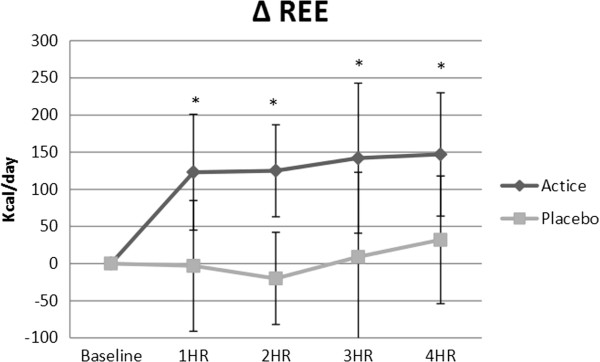
Increasing metabolism is a primary focus of many commercially available dietary supplements marketed to support weight management. Caffeine (e.g. anhydrous and herbal) and green tea are key ingredients in such products, augmenting resting energy expenditure (REE) and improving reported mood states (alertness, fatigue, focus, etc.). The purpose of this study was to evaluate the effects of a thermogenic dietary supplement (DBX) on REE, respiratory exchange ratio (RER), reported measures of alertness, focus, energy, concentration, fatigue, and hunger, as well as the general safety of the product based on electrocardiogram (ECG) and hemodynamic responses in habitual caffeine consumers.
Six male and six female subjects (mean ± SD; 22.50 ± 3.22 years; 76.94 ± 14.78 kg; 22.7 ± 9.5% body fat), physically active (≥12 months), and moderate habitual caffeine consumers (<200 mg/day) received either two capsules of DBX containing 340 mg of total caffeine plus green tea extract, yerba mate extract, carnitine tartrate and other active ingredients or a placebo (PLC) in a double-blinded, crossover design. Heart rate (HR), blood pressure (BP), REE, RER and perceived mood states were measured at baseline and then hourly for four hours after ingesting either treatment.
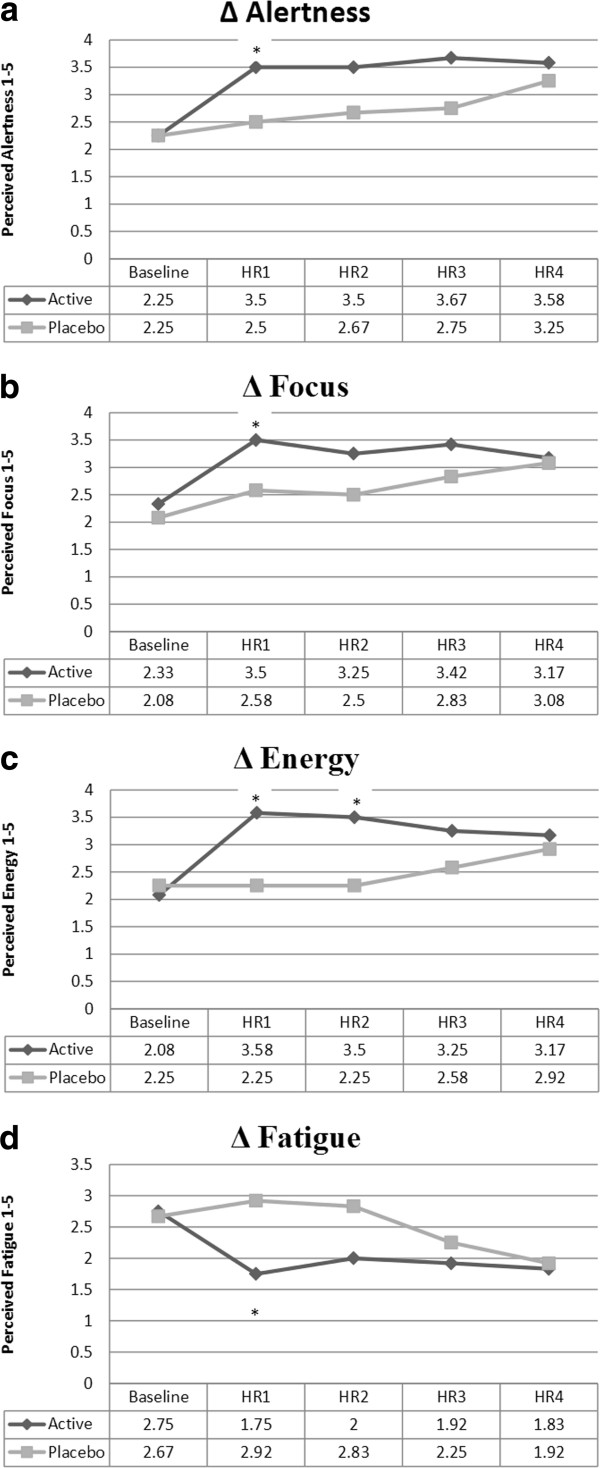
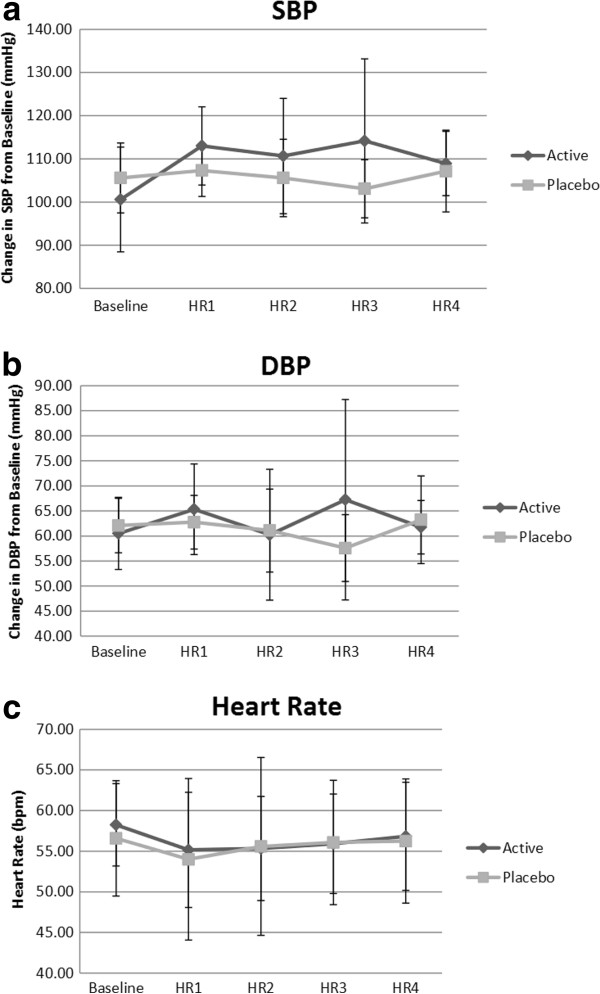
Resting energy expenditure was significantly increased at all four time points and significant increases were determined for perceived alertness (p = 0.026) and focus (p = 0.05) at hour 1 and for energy at 1 and 2 hours after treatment for the DBX group (p = 0.008 and p = 0.017, respectively). Additionally, perceived fatigue was decreased at the hour 1 assessment (p = 0.010). No significant differences were seen between DBX and placebo for hunger, anxiety, HR, BP, ECG patterns or RER.
The results of this investigation support that the proprietary blend of this thermogenic aid is capable of increasing REE for four hours post-ingestion while supporting increased focus, alertness, and energy as well as decreasing fatigue without promoting anxiety or causing significant changes in HR, BP, or ECG measurements in habitual caffeine consumers.
提高新陈代谢是许多市售的支持体重管理的膳食补充剂的主要关注点。咖啡因(例如无水和草药)和绿茶是这些产品的关键成分,可增加静息能量消耗(REE)并改善报告的情绪状态(警觉、疲劳、专注等)。本研究的目的是评估一种产热膳食补充剂(DBX)对 REE、呼吸交换率(RER)、报告的警觉、专注、能量、注意力、疲劳和饥饿感的影响,以及基于心电图(ECG)和血流动力学反应的产品的一般安全性在习惯性咖啡因消费者中。
六名男性和六名女性受试者(平均值±SD;22.50±3.22 岁;76.94±14.78kg;22.7±9.5%体脂),身体活跃(≥12 个月),并且是中度习惯性咖啡因消费者(<200mg/天)以双盲、交叉设计的方式接受了两种含有 340mg 总咖啡因加绿茶提取物、马黛茶提取物、酒石酸氢盐和其他活性成分的 DBX 胶囊或安慰剂(PLC)。在摄入两种治疗药物后的四个小时内,分别在基线和每小时测量心率(HR)、血压(BP)、REE、RER 和感知情绪状态。
REE 在所有四个时间点均显著增加,并且在 1 小时时,警觉(p=0.026)和专注(p=0.05)以及在治疗后 1 和 2 小时时的能量显著增加,用于 DBX 组(p=0.008 和 p=0.017,分别)。此外,在 1 小时评估时,感知疲劳减少(p=0.010)。在 DBX 和安慰剂之间,饥饿、焦虑、HR、BP、ECG 模式或 RER 没有差异。
本研究结果支持该产热辅助剂的专有混合物能够在摄入后四个小时内增加 REE,同时支持增加专注度、警觉度和能量,同时减少疲劳,而不会在习惯性咖啡因消费者中引起焦虑或导致 HR、BP 或 ECG 测量的显著变化。