Department of Medicine, Cedars-Sinai Medical Center, Los Angeles, California, United States of America.
PLoS One. 2013 Apr 22;8(4):e61594. doi: 10.1371/journal.pone.0061594. Print 2013.
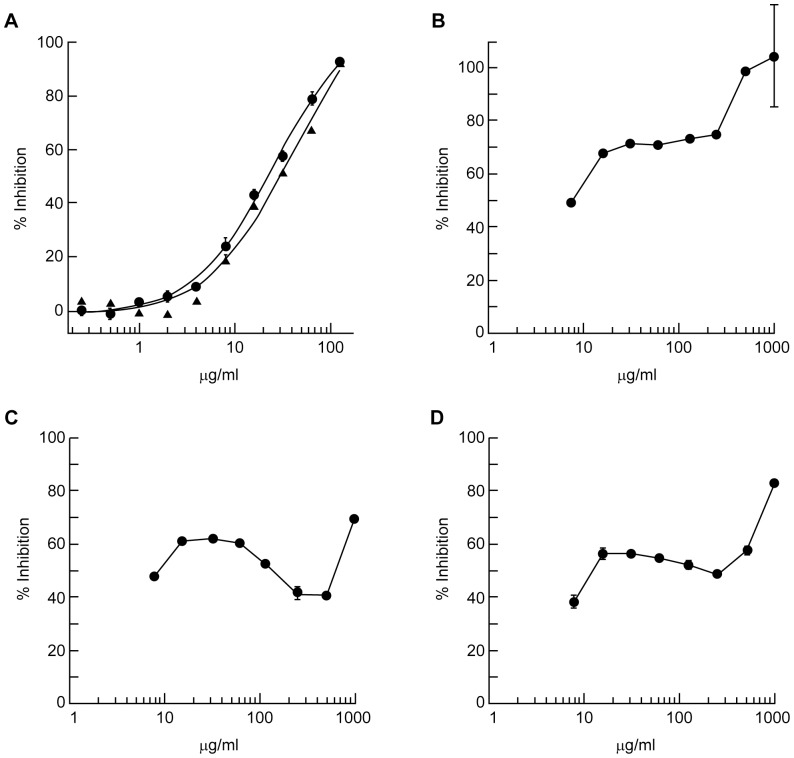
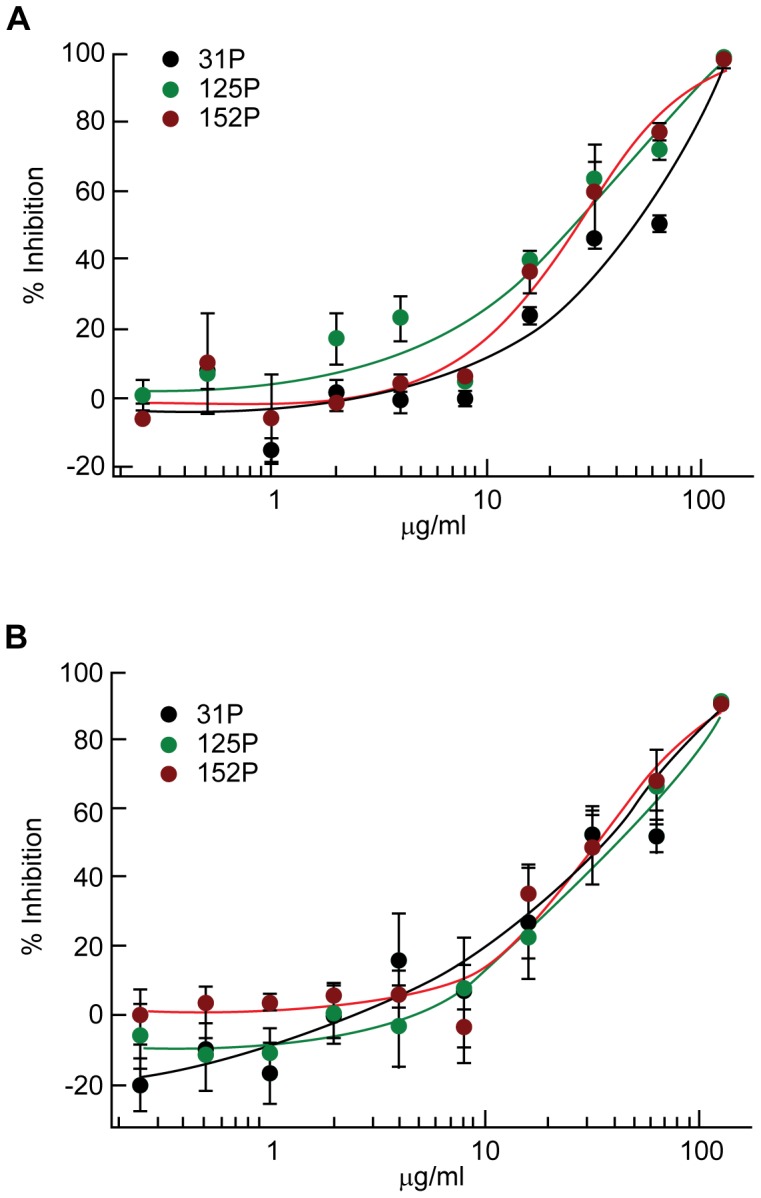
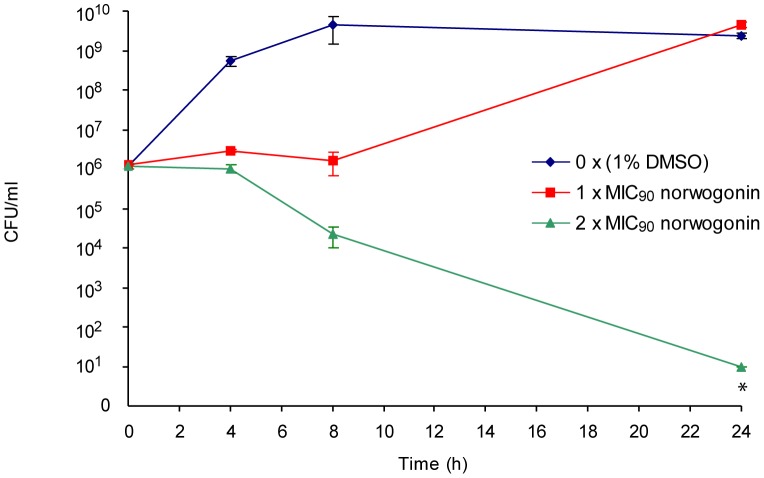
The number of fully active antibiotic options that treat nosocomial infections due to multidrug-resistant Acinetobacter baumannii (A. baumannii) is extremely limited. Magnolia officinalis, Mahonia bealei, Rabdosia rubescens, Rosa rugosa, Rubus chingii, Scutellaria baicalensis, and Terminalia chebula plant extracts were previously shown to have growth inhibitory activity against a multidrug-resistant clinical strain of A. baumannii. In this study, the compounds responsible for their antimicrobial activity were identified by fractionating each plant extract using high performance liquid chromatography, and determining the antimicrobial activity of each fraction against A. baumannii. The chemical structures of the fractions inhibiting >40% of the bacterial growth were elucidated by liquid chromatography/mass spectrometry analysis and nuclear magnetic resonance spectroscopy. The six most active compounds were identified as: ellagic acid in Rosa rugosa; norwogonin in Scutellaria baicalensis; and chebulagic acid, chebulinic acid, corilagin, and terchebulin in Terminalia chebula. The most potent compound was identified as norwogonin with a minimum inhibitory concentration of 128 µg/mL, and minimum bactericidal concentration of 256 µg/mL against clinically relevant strains of A. baumannii. Combination studies of norwogonin with ten anti-Gram negative bacterial agents demonstrated that norwogonin did not enhance the antimicrobial activity of the synthetic antibiotics chosen for this study. In conclusion, of all identified antimicrobial compounds, norwogonin was the most potent against multidrug-resistant A. baumannii strains. Further studies are warranted to ascertain the prophylactic and therapeutic potential of norwogonin for infections due to multidrug-resistant A. baumannii.
治疗多重耐药鲍曼不动杆菌(A.baumannii)引起的医院获得性感染的完全有效的抗生素选择方案数量极其有限。先前已证明厚朴、阔叶十大功劳、冬凌草、玫瑰、蓬蘽、黄芩和诃子植物提取物对多药耐药的临床分离株 A.baumannii 具有生长抑制活性。在这项研究中,通过使用高效液相色谱法对每种植物提取物进行分段,确定每个馏分对 A.baumannii 的抗菌活性,从而鉴定出负责其抗菌活性的化合物。通过液相色谱/质谱分析和核磁共振波谱法阐明了抑制细菌生长超过 40%的馏分的化学结构。鉴定出的 6 种最活跃的化合物为:玫瑰中的鞣花酸;黄芩中的汉黄芩素;以及诃子中的没食子酸、诃子酸、鞣花酸和石榴皮鞣素。最有效的化合物被鉴定为汉黄芩素,其对临床相关株 A.baumannii 的最小抑菌浓度为 128 µg/mL,最小杀菌浓度为 256 µg/mL。汉黄芩素与十种抗革兰氏阴性菌药物的组合研究表明,汉黄芩素不会增强所选用于本研究的合成抗生素的抗菌活性。总之,在所鉴定的所有抗菌化合物中,汉黄芩素对多重耐药 A.baumannii 菌株最有效。需要进一步的研究来确定汉黄芩素在预防和治疗多重耐药 A.baumannii 感染方面的潜力。