Centro de Investigación Biomédica en Red de Enfermedades Neurodegenerativas (CIBERNED) and Institute of Biomedicine of the University of Barcelona (IBUB) and Department of Biochemistry and Molecular Biology, Faculty of Biology, University of Barcelona, Barcelona, Spain.
PLoS One. 2013 Apr 18;8(4):e61245. doi: 10.1371/journal.pone.0061245. Print 2013.
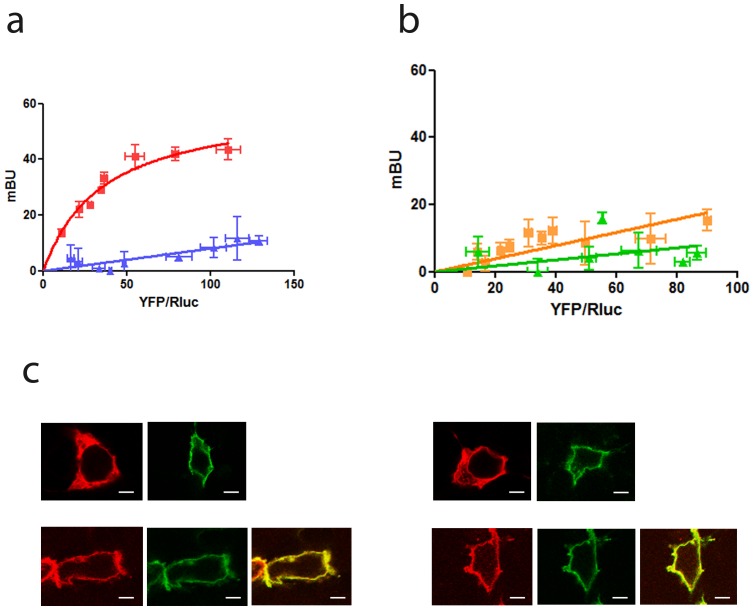
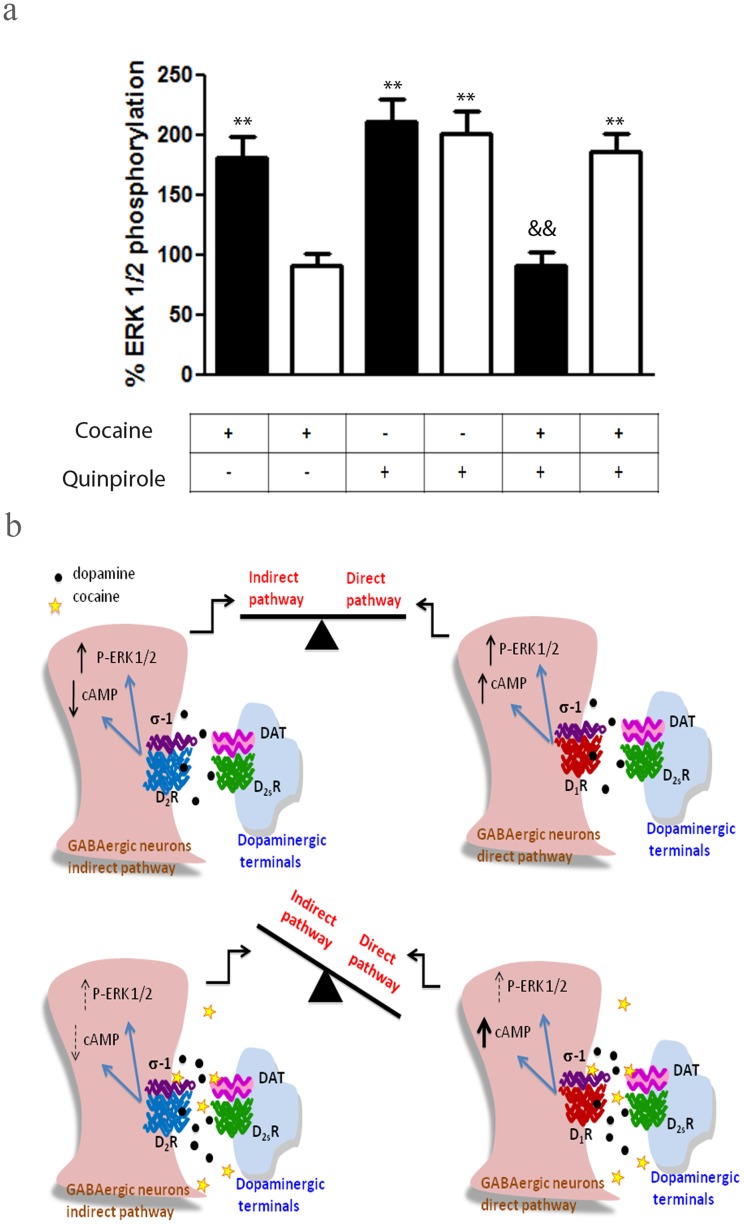
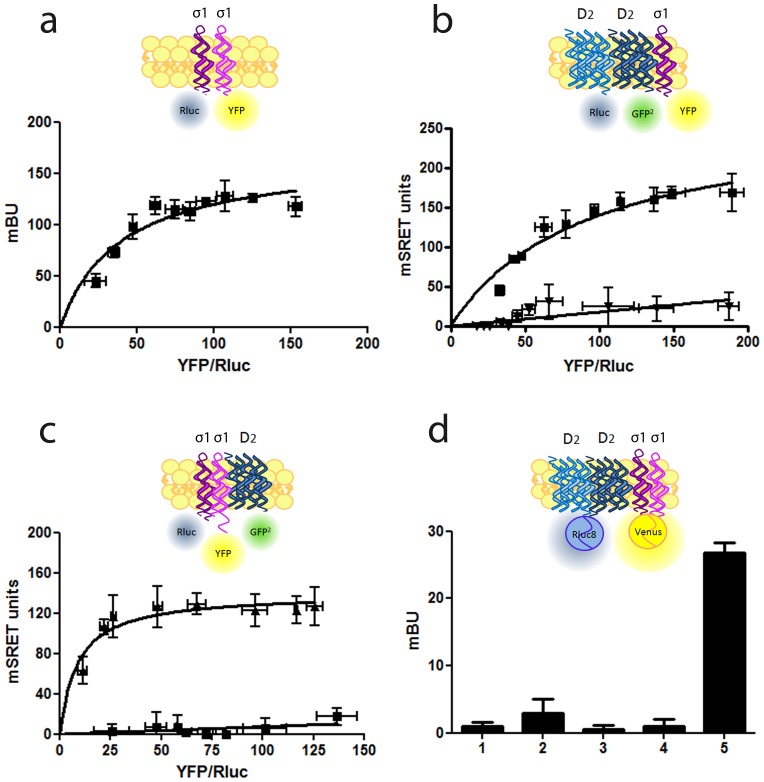
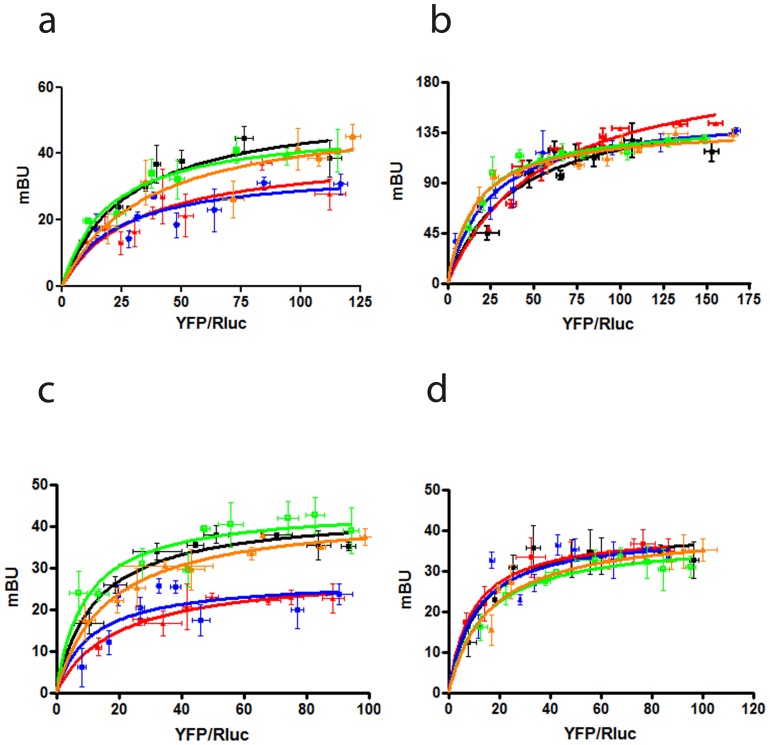
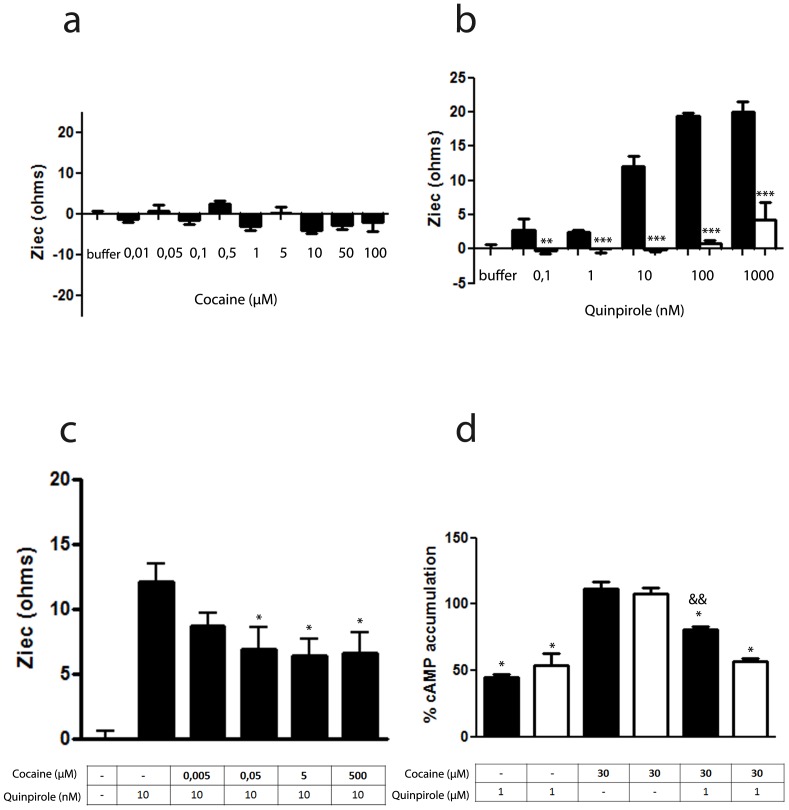
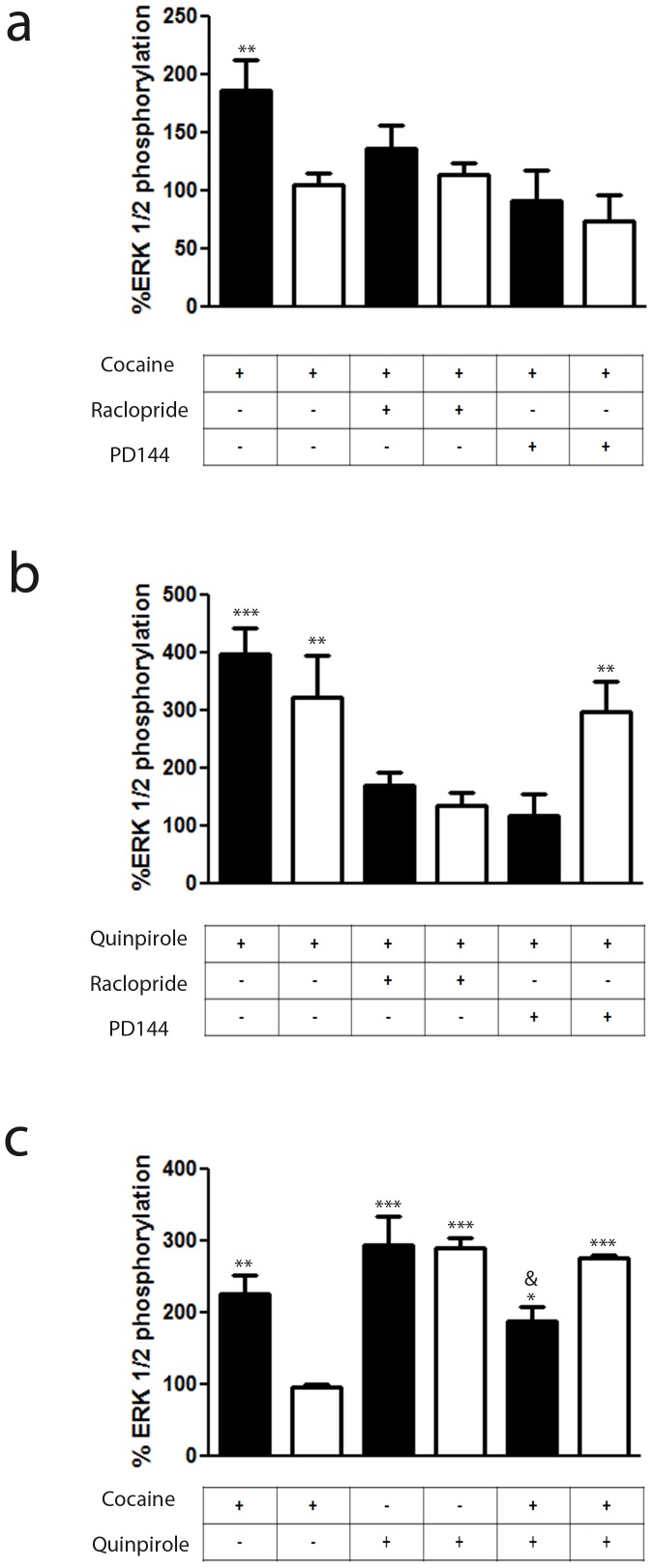
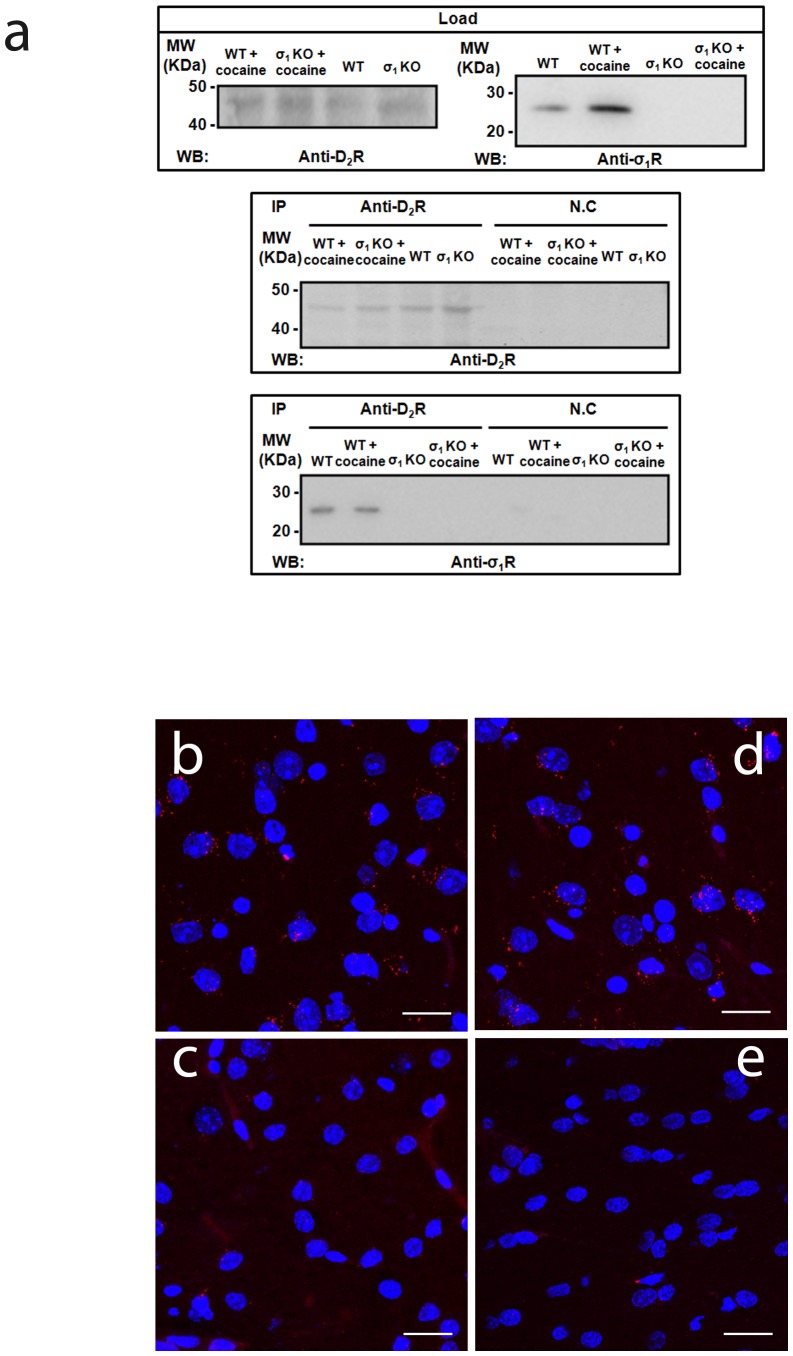
Under normal conditions the brain maintains a delicate balance between inputs of reward seeking controlled by neurons containing the D1-like family of dopamine receptors and inputs of aversion coming from neurons containing the D2-like family of dopamine receptors. Cocaine is able to subvert these balanced inputs by altering the cell signaling of these two pathways such that D1 reward seeking pathway dominates. Here, we provide an explanation at the cellular and biochemical level how cocaine may achieve this. Exploring the effect of cocaine on dopamine D2 receptors function, we present evidence of σ1 receptor molecular and functional interaction with dopamine D2 receptors. Using biophysical, biochemical, and cell biology approaches, we discovered that D2 receptors (the long isoform of the D2 receptor) can complex with σ1 receptors, a result that is specific to D2 receptors, as D3 and D4 receptors did not form heteromers. We demonstrate that the σ1-D2 receptor heteromers consist of higher order oligomers, are found in mouse striatum and that cocaine, by binding to σ1 -D2 receptor heteromers, inhibits downstream signaling in both cultured cells and in mouse striatum. In contrast, in striatum from σ1 knockout animals these complexes are not found and this inhibition is not seen. Taken together, these data illuminate the mechanism by which the initial exposure to cocaine can inhibit signaling via D2 receptor containing neurons, destabilizing the delicate signaling balance influencing drug seeking that emanates from the D1 and D2 receptor containing neurons in the brain.
在正常情况下,大脑在多巴胺 D1 样受体家族神经元控制的奖励寻求输入和多巴胺 D2 样受体家族神经元产生的厌恶输入之间保持微妙的平衡。可卡因能够通过改变这两条途径的细胞信号传导来颠覆这些平衡的输入,使得 D1 奖励寻求途径占主导地位。在这里,我们在细胞和生化水平上解释了可卡因是如何实现这一点的。在探索可卡因对多巴胺 D2 受体功能的影响时,我们提出了 σ1 受体与多巴胺 D2 受体分子和功能相互作用的证据。使用生物物理、生化和细胞生物学方法,我们发现 D2 受体(D2 受体的长亚型)可以与 σ1 受体形成复合物,这一结果是特异性的,因为 D3 和 D4 受体没有形成异源二聚体。我们证明 σ1-D2 受体异源二聚体由更高阶的寡聚体组成,存在于小鼠纹状体中,并且可卡因通过与 σ1-D2 受体异源二聚体结合,抑制了培养细胞和小鼠纹状体中的下游信号转导。相比之下,在 σ1 基因敲除动物的纹状体中没有发现这些复合物,也没有观察到这种抑制作用。总之,这些数据阐明了可卡因最初暴露如何通过含有 D2 受体的神经元抑制信号转导的机制,破坏了影响大脑中含有 D1 和 D2 受体的神经元中药物寻求的微妙信号平衡。