Maioli Margherita, Rinaldi Salvatore, Santaniello Sara, Castagna Alessandro, Pigliaru Gianfranco, Delitala Alessandro, Lotti Margotti Matteo, Bagella Luigi, Fontani Vania, Ventura Carlo
Department of Biomedical Sciences, University of Sassari, Viale San Pietro, 43/B, 07100, Sassari, Italy.
Age (Dordr). 2014 Feb;36(1):9-20. doi: 10.1007/s11357-013-9537-8. Epub 2013 May 9.
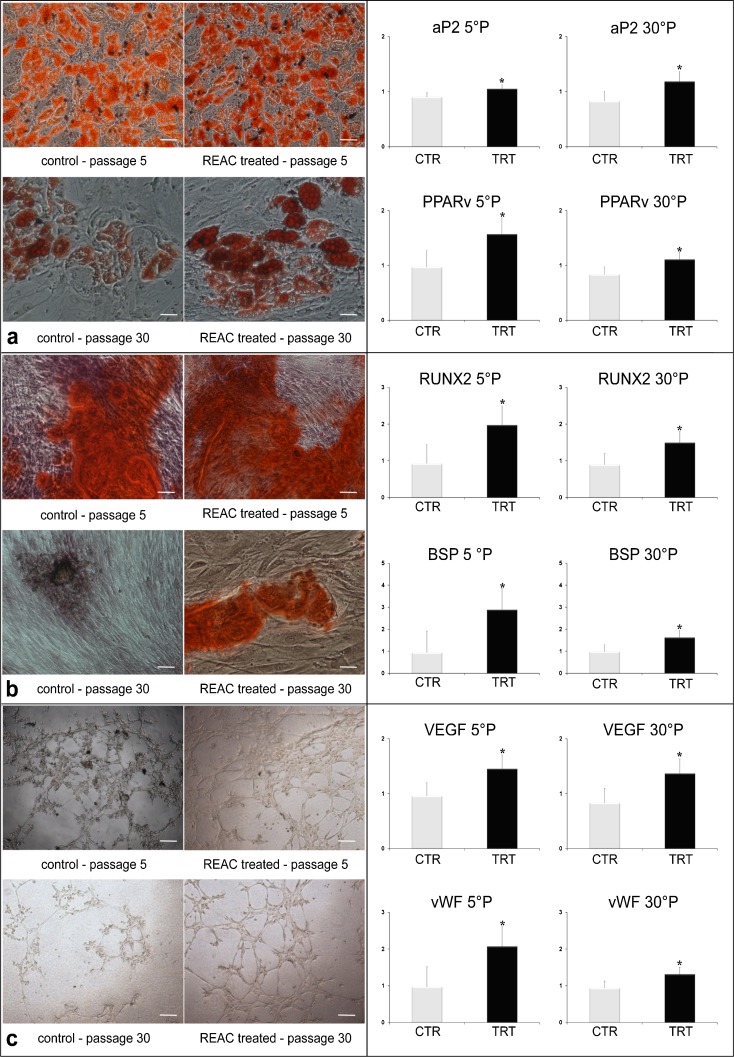
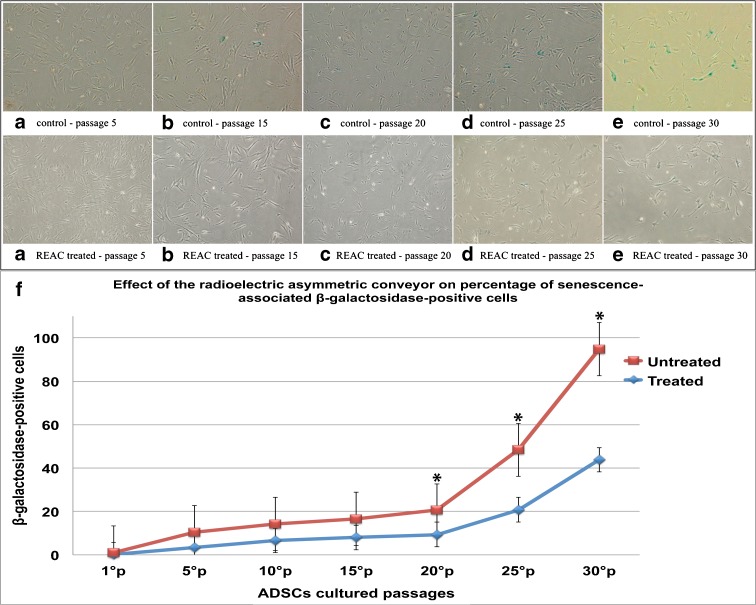
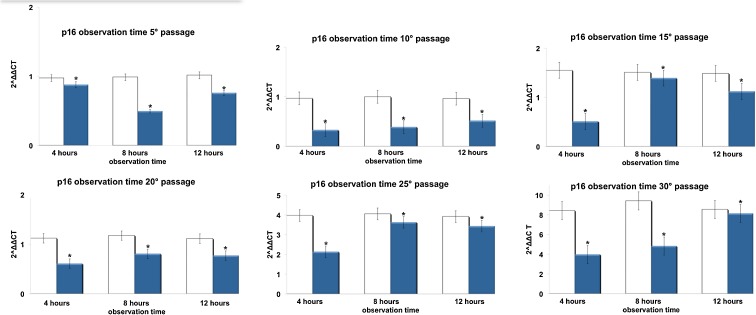
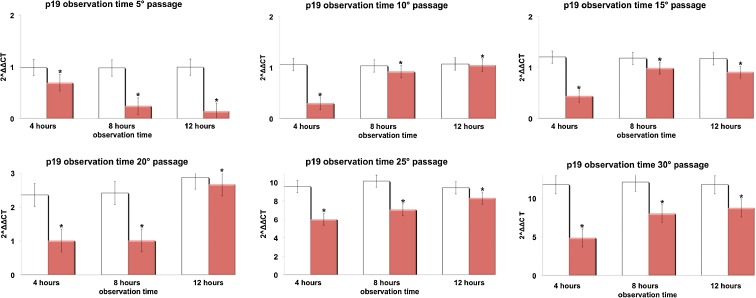
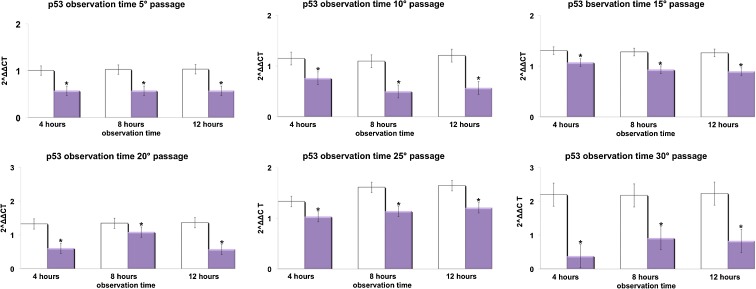
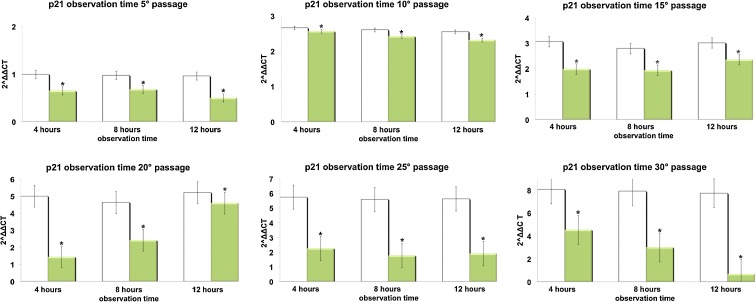
Recent evidence suggests that ageing-related diseases could result in an accelerated loss of self-renewal capability of adult stem cells, normally involved in replacing damaged cellular elements. In previous works, we highlighted that a specific treatment, named tissue optimization-regenerative (TO-RGN), of radio-electric asymmetric conveyer (REAC) technology, influenced gene expression profiles controlling stem cell differentiation and pluripotency of human skin-derived fibroblasts in vitro. The purpose of the present work was to verify whether TO-RGN may also be effective in counteracting the expression of the senescence marker beta-galactosidase and of senescence-associated gene expression patterning, engaged during prolonged culture of human adipose-derived stem cells (hADSCs). Following TO-RGN exposure, we observed a significant downregulation in beta-galactosidase staining and in the expression of the senescence mediator genes p16INK4, ARF, p53, and p21(CIP1). Moreover, differently formed untreated cells, TO-RGN-exposed hADSCs maintained their typical fibroblast-like morphology and exhibited a multilineage potential even at late passages, as shown by the remarkable preservation of commitment to osteogenic, adipogenic, chondrogenic, and vasculogenic fates, both at morphologic and gene expression levels. In conclusion, our study highlights a positive effect of TO-RGN in counteracting degenerative senescence processes in vitro.
最近的证据表明,与衰老相关的疾病可能导致成体干细胞自我更新能力加速丧失,而成体干细胞通常参与替换受损的细胞成分。在之前的研究中,我们强调了一种名为组织优化-再生(TO-RGN)的特定治疗方法,它采用无线电-电不对称输送器(REAC)技术,在体外影响了控制人皮肤来源成纤维细胞干细胞分化和多能性的基因表达谱。本研究的目的是验证TO-RGN是否也能有效对抗衰老标志物β-半乳糖苷酶的表达以及在人脂肪来源干细胞(hADSCs)长期培养过程中出现的衰老相关基因表达模式。在暴露于TO-RGN后,我们观察到β-半乳糖苷酶染色以及衰老调节基因p16INK4、ARF、p53和p21(CIP1)的表达均显著下调。此外,与未处理细胞形成的不同形态相比,暴露于TO-RGN的hADSCs即使在传代后期仍保持其典型的成纤维细胞样形态,并表现出多向分化潜能,这在形态学和基因表达水平上对成骨、成脂、成软骨和血管生成命运的显著维持中得到了体现。总之,我们的研究突出了TO-RGN在体外对抗退行性衰老过程中的积极作用。