Department of Oncology, The First Affiliated Hospital of Anhui Medical University, Hefei, Anhui, China.
PLoS One. 2013 May 3;8(5):e62627. doi: 10.1371/journal.pone.0062627. Print 2013.
Endoplasmic reticulum stress (ER stress) is generally activated in solid tumors and results in tumor cell anti-apoptosis and drug resistance. Paeonol (Pae, 2-hydroxy-4-methoxyacetophenone), is a natural product extracted from the root of Paeonia Suffruticosa Andrew. Although Pae displays anti-neoplastic activity and increases the efficacy of chemotherapeutic drugs in various cell lines and in animal models, studies related to the effect of Pae on ER stress-induced resistance to chemotherapeutic agents in hepatocellular carcinoma (HCC) are poorly understood.
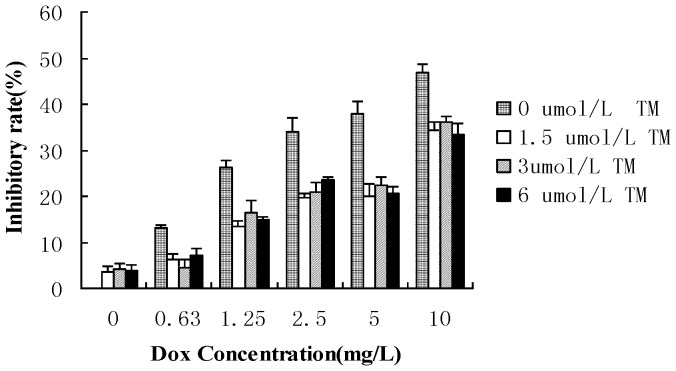
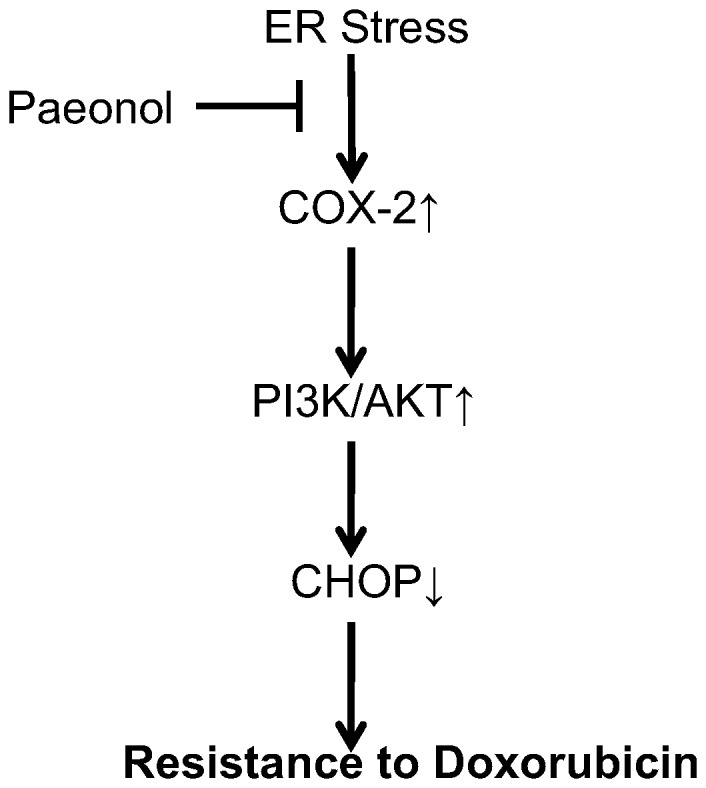
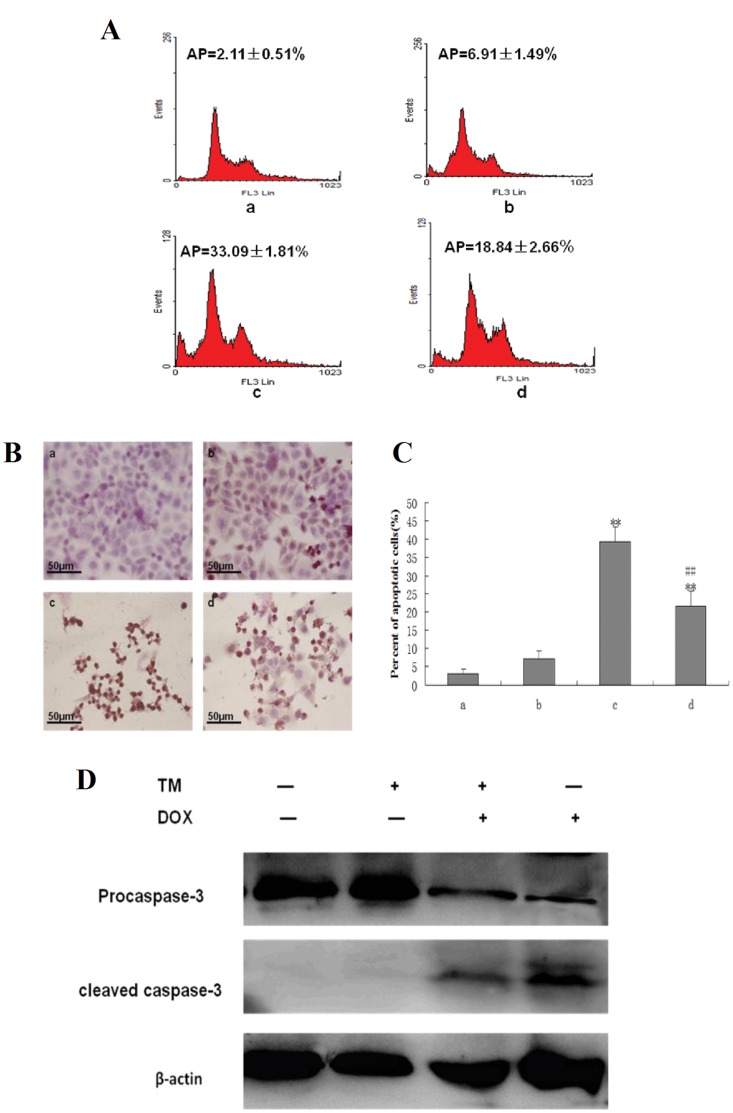
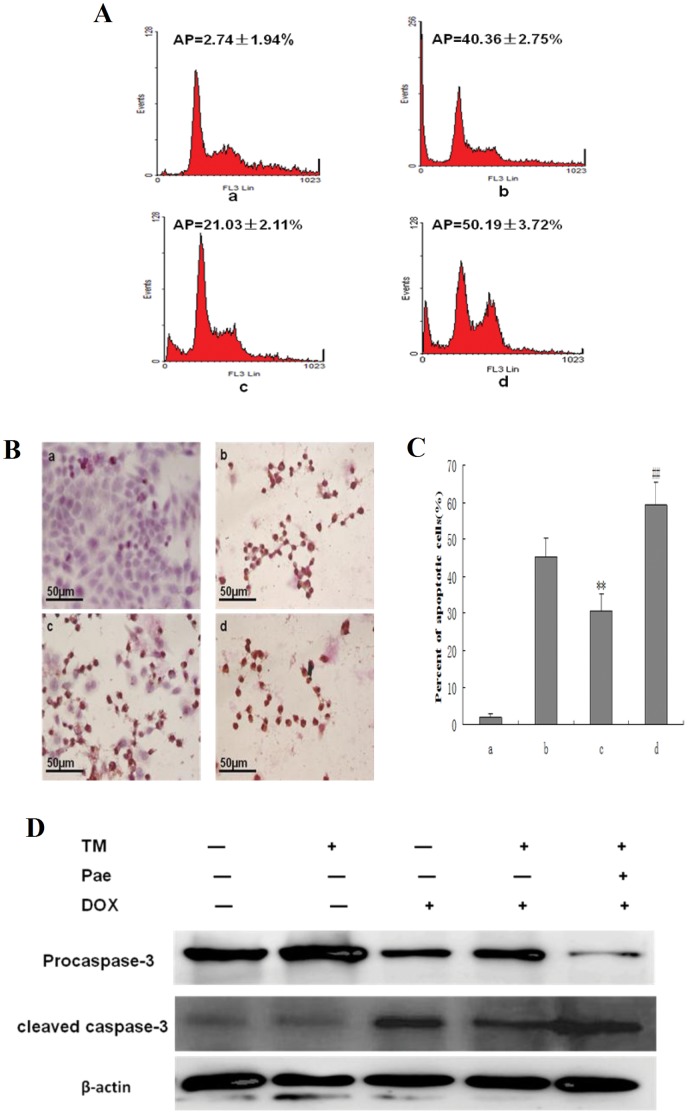
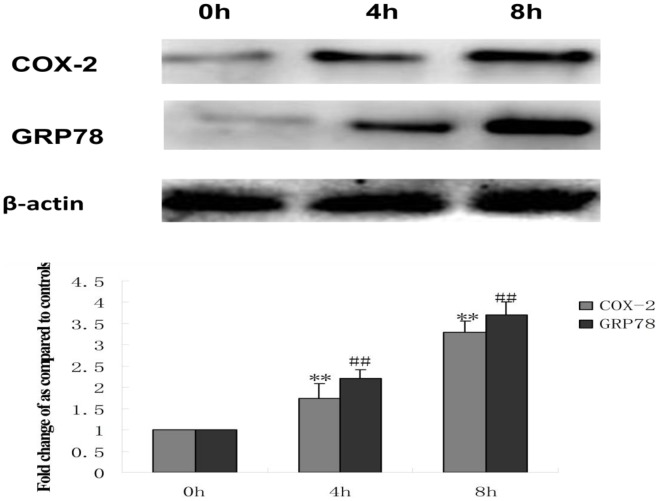
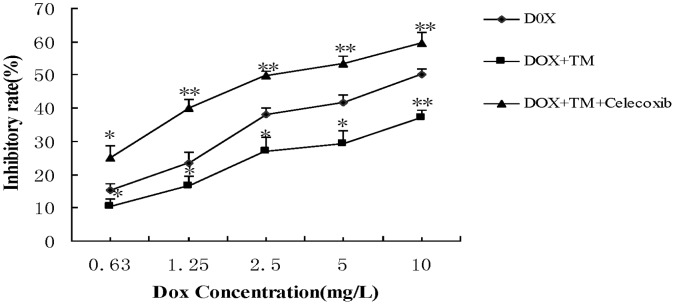
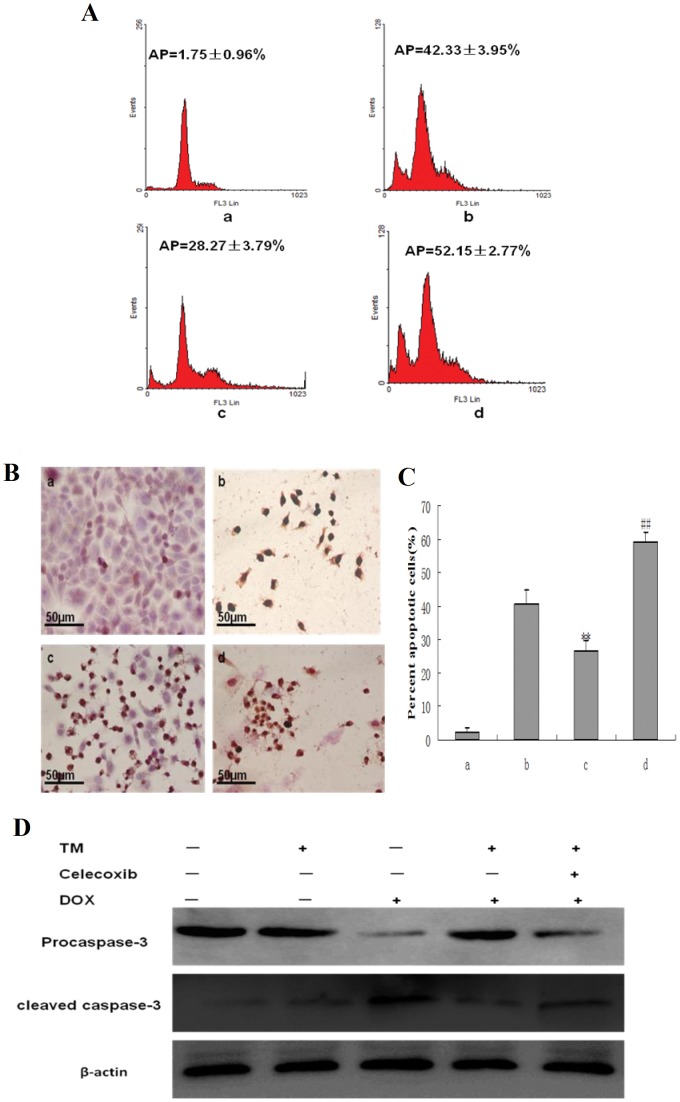
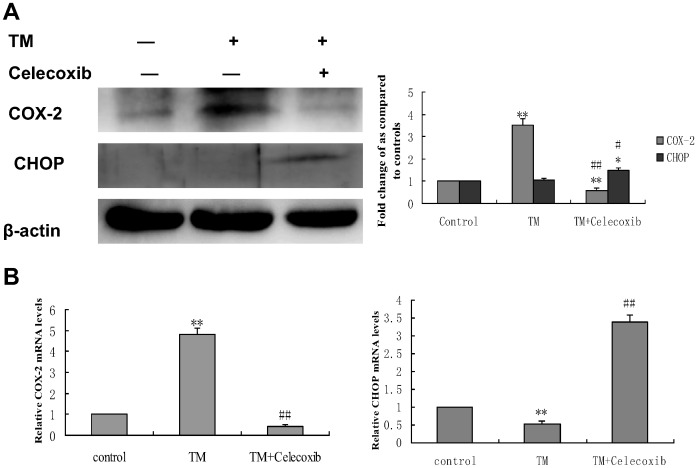
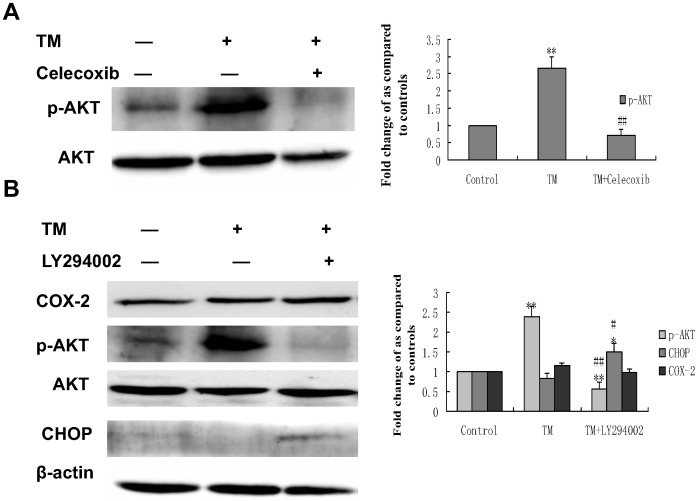
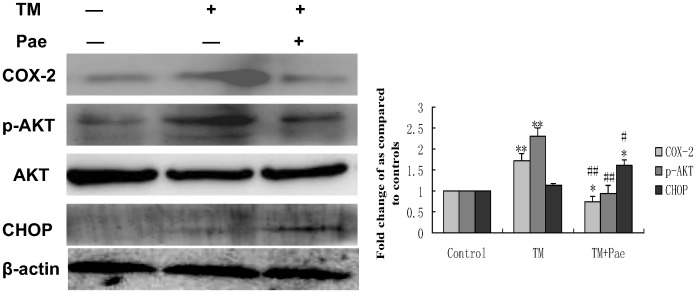
METHODOLOGY/PRINCIPAL FINDINGS: In this study, we investigated the effect of the endoplasmic reticulum (ER) stress response during resistance of human hepatocellular carcinoma cells to doxorubicin. Treatment with the ER stress-inducer tunicamycin (TM) before the addition of doxorubicin reduced the rate of apoptosis induced by doxorubicin. Interestingly, co-pretreatment with tunicamycin and Pae significantly increased apoptosis induced by doxorubicin. Furthermore, induction of ER stress resulted in increasing expression of COX-2 concomitant with inactivation of Akt and up-regulation of the pro-apoptotic transcription factor CHOP (GADD153) in HepG2 cells. These cellular changes in gene expression and Akt activation may be an important resistance mechanism against doxorubicin in hepatocellular carcinoma cells undergoing ER stress. However, co-pretreatment with tunicamycin and Pae decreased the expression of COX-2 and levels of activation of Akt as well as increasing the levels of CHOP in HCC cells.
CONCLUSIONS/SIGNIFICANCE: Our results demonstrate that Pae reverses ER stress-induced resistance to doxorubicin in human hepatocellular carcinoma cells by targeting COX-2 mediated inactivation of PI3K/AKT/CHOP.
内质网应激(ER 应激)通常在实体瘤中被激活,导致肿瘤细胞抗凋亡和耐药。丹皮酚(Pae,2-羟基-4-甲氧基苯乙酮)是从牡丹根中提取的天然产物。尽管丹皮酚显示出抗肿瘤活性,并提高了各种细胞系和动物模型中化疗药物的疗效,但关于丹皮酚对 ER 应激诱导的肝癌(HCC)对化疗药物耐药性的影响的研究还知之甚少。
方法/主要发现:在这项研究中,我们研究了内质网(ER)应激反应在人肝癌细胞对阿霉素耐药过程中的作用。在用阿霉素处理之前,用 ER 应激诱导剂衣霉素(TM)处理可降低阿霉素诱导的细胞凋亡率。有趣的是,TM 和丹皮酚共同预处理可显著增加阿霉素诱导的细胞凋亡。此外,在 HepG2 细胞中,ER 应激诱导导致 COX-2 的表达增加,同时 Akt 的失活和促凋亡转录因子 CHOP(GADD153)的上调。这些基因表达和 Akt 激活的细胞变化可能是肝癌细胞在 ER 应激下对阿霉素产生耐药性的重要机制。然而,TM 和丹皮酚共同预处理可降低 COX-2 的表达和 Akt 的激活水平,并增加 HCC 细胞中 CHOP 的水平。
结论/意义:我们的研究结果表明,丹皮酚通过靶向 COX-2 介导的 PI3K/AKT/CHOP 失活来逆转人肝癌细胞中 ER 应激诱导的阿霉素耐药。