Chang Xindi, Feng Xiaoteng, Du Min, Li Sijin, Wang Jiarou, Wang Yiru, Liu Ping
Department of Cardiology, Longhua Hospital, Shanghai University of Traditional Chinese Medicine, Shanghai, China.
Longhua Hospital, Shanghai University of Traditional Chinese Medicine, Shanghai, China.
Front Pharmacol. 2023 Jun 20;14:1194861. doi: 10.3389/fphar.2023.1194861. eCollection 2023.
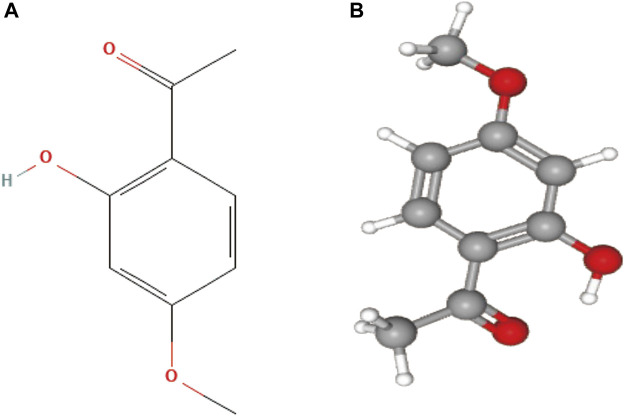
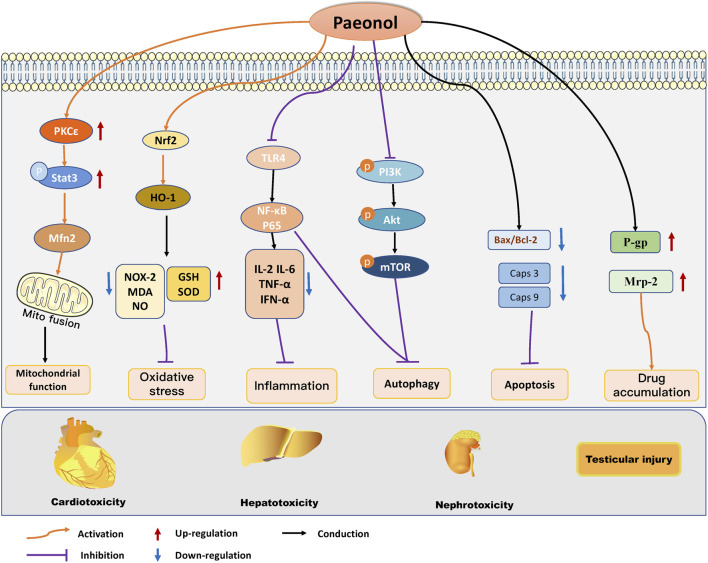
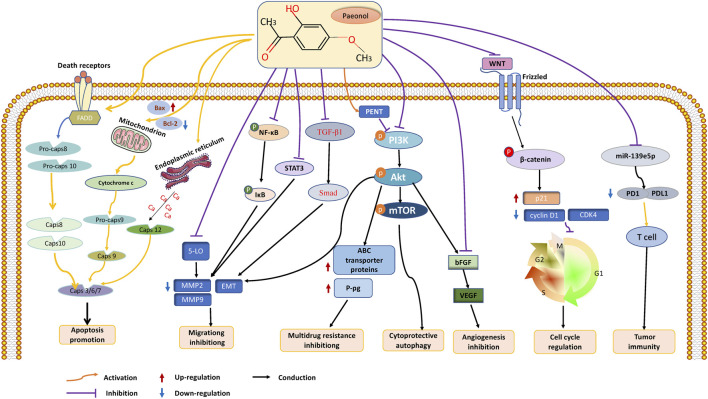
Cancer represents one of the leading causes of mortality worldwide. Conventional clinical treatments include radiation therapy, chemotherapy, immunotherapy, and targeted therapy. However, these treatments have inherent limitations, such as multidrug resistance and the induction of short- and long-term multiple organ damage, ultimately leading to a significant decrease in cancer survivors' quality of life and life expectancy. Paeonol, a nature active compound derived from the root bark of the medicinal plant Paeonia suffruticosa, exhibits various pharmacological activities. Extensive research has demonstrated that paeonol exhibits substantial anticancer effects in various cancer, both and . Its underlying mechanisms involve the induction of apoptosis, the inhibition of cell proliferation, invasion and migration, angiogenesis, cell cycle arrest, autophagy, regulating tumor immunity and enhanced radiosensitivity, as well as the modulation of multiple signaling pathways, such as the PI3K/AKT and NF-κB signaling pathways. Additionally, paeonol can prevent adverse effects on the heart, liver, and kidneys induced by anticancer therapy. Despite numerous studies exploring paeonol's therapeutic potential in cancer, no specific reviews have been conducted. Therefore, this review provides a systematic summary and analysis of paeonol's anticancer effects, prevention of side effects, and the underlying mechanisms involved. This review aims to establish a theoretical basis for the adjunctive strategy of paeonol in cancer treatment, ultimately improving the survival rate and enhancing the quality of life for cancer patients.
癌症是全球主要死因之一。传统的临床治疗方法包括放射治疗、化学疗法、免疫疗法和靶向治疗。然而,这些治疗方法存在固有的局限性,如多药耐药性以及诱导短期和长期的多器官损伤,最终导致癌症幸存者的生活质量和预期寿命显著下降。丹皮酚是一种从药用植物牡丹的根皮中提取的天然活性化合物,具有多种药理活性。广泛的研究表明,丹皮酚在各种癌症中均表现出显著的抗癌作用。其潜在机制包括诱导细胞凋亡、抑制细胞增殖、侵袭和迁移、血管生成、细胞周期阻滞、自噬、调节肿瘤免疫和增强放射敏感性,以及调节多种信号通路,如PI3K/AKT和NF-κB信号通路。此外,丹皮酚可以预防抗癌治疗对心脏、肝脏和肾脏产生的不良反应。尽管有许多研究探索了丹皮酚在癌症治疗中的潜在治疗作用,但尚未进行具体的综述。因此,本综述对丹皮酚的抗癌作用、副作用预防及其潜在机制进行了系统的总结和分析。本综述旨在为丹皮酚在癌症治疗中的辅助策略建立理论基础,最终提高癌症患者的生存率并改善其生活质量。