Molecular Virology Section, Department of Medical Microbiology, University of Groningen, University Medical Center Groningen, Groningen, The Netherlands.
PLoS One. 2013 May 2;8(5):e63163. doi: 10.1371/journal.pone.0063163. Print 2013.
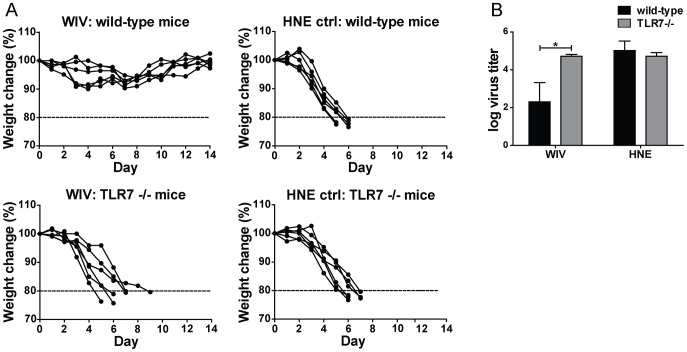
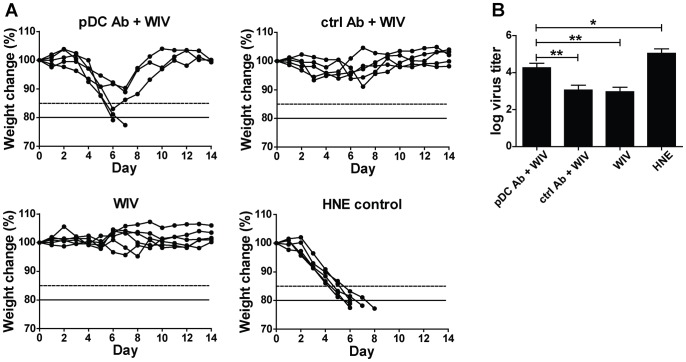
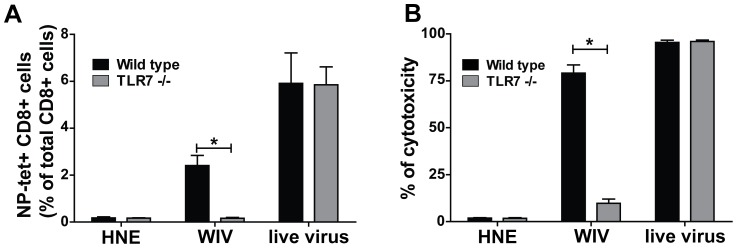
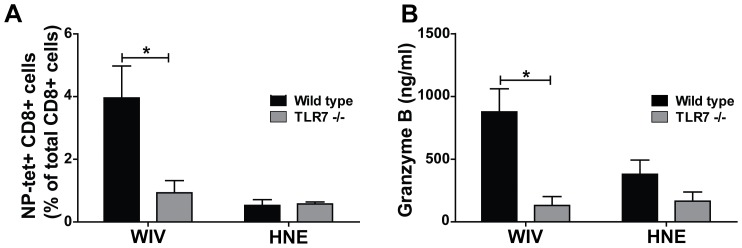
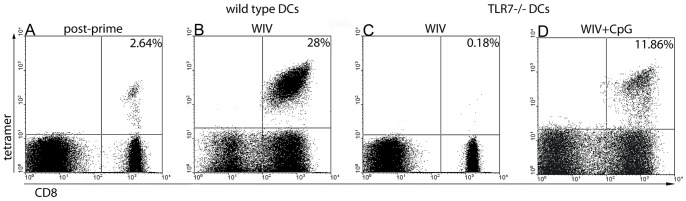
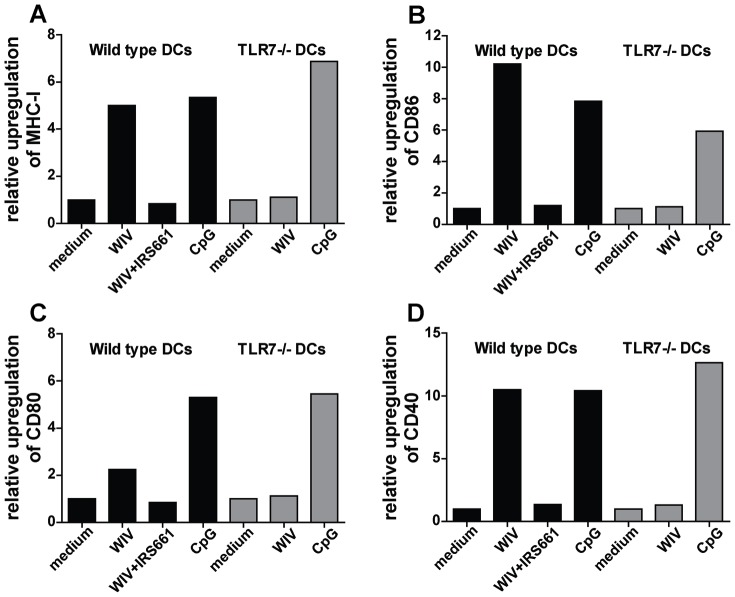
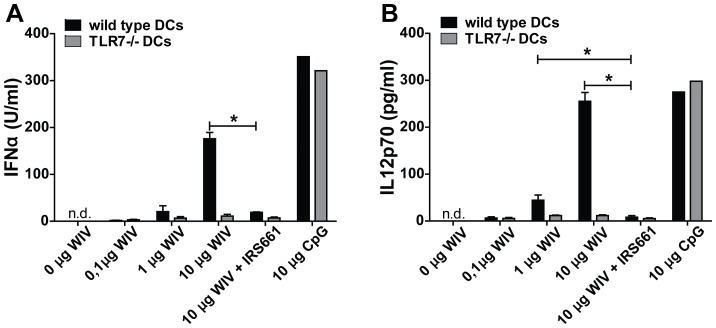
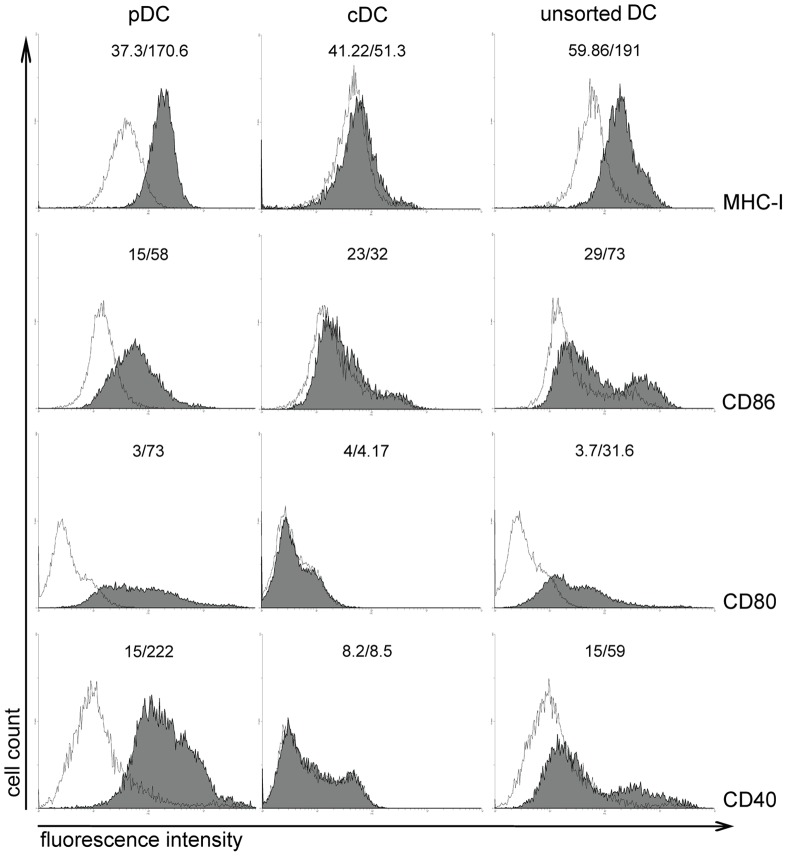
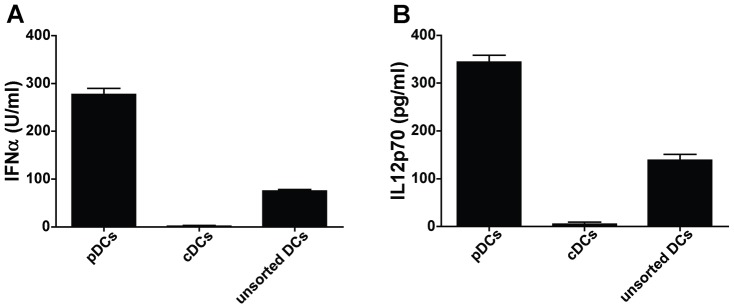
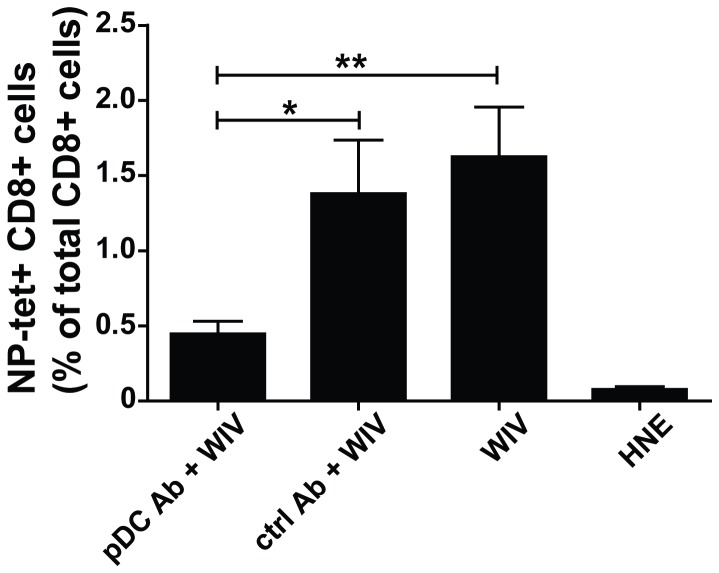
Current influenza vaccines fail to induce protection against antigenically distinct virus strains. Accordingly, there is a need for the development of cross-protective vaccines. Previously, we and others have shown that vaccination with whole inactivated virus (WIV) induces cross-protective cellular immunity in mice. To probe the mechanistic basis for this finding, we investigated the role of TLR7, a receptor for single-stranded RNA, in induction of cross-protection. Vaccination of TLR7-/- mice with influenza WIV failed to protect against a lethal heterosubtypic challenge; in contrast, wild-type mice were fully protected. The lack of protection in TLR7-/- mice was associated with high viral load and a relative paucity of influenza-specific CD8+ cytotoxic T lymphocyte (CTL) responses. Dendritic cells (DCs) from TLR7-/- mice were unable to cross-present WIV-derived antigen to influenza-specific CTLs in vitro. Similarly, TLR7-/- DCs failed to mature and become activated in response to WIV, as determined by the assessment of surface marker expression and cytokine production. Plasmacytoid DCs (pDCs) derived from wild-type mice responded directly to WIV while purified conventional DCs (cDCs) did not respond to WIV in isolation, but were responsive in mixed pDC/cDC cultures. Depletion of pDCs prior to and during WIV immunization resulted in reduced numbers of influenza-specific CTLs and impaired protection from heterosubtypic challenge. Thus, TLR7 plays a critical role in the induction of cross-protective immunity upon vaccination with WIV. The initial target cells for WIV appear to be pDCs which by direct or indirect mechanisms promote activation of robust CTL responses against conserved influenza epitopes.
当前的流感疫苗无法针对具有不同抗原性的病毒株提供保护。因此,需要开发具有交叉保护作用的疫苗。此前,我们和其他人已经表明,接种全灭活病毒(WIV)可在小鼠中诱导交叉保护的细胞免疫。为了探究这一发现的机制基础,我们研究了 TLR7(一种单链 RNA 受体)在诱导交叉保护中的作用。用流感 WIV 对 TLR7-/- 小鼠进行疫苗接种未能预防致死性异源亚型攻击;相比之下,野生型小鼠则得到了完全保护。TLR7-/- 小鼠缺乏保护与高病毒载量和相对缺乏流感特异性 CD8+细胞毒性 T 淋巴细胞(CTL)反应有关。TLR7-/- 小鼠的树突状细胞(DC)无法在体外将 WIV 衍生的抗原交叉呈递给流感特异性 CTL。同样,TLR7-/- DC 无法对 WIV 做出反应而成熟和激活,这可通过评估表面标记物表达和细胞因子产生来确定。来自野生型小鼠的浆细胞样 DC(pDC)可直接对 WIV 做出反应,而纯化的常规 DC(cDC)则不能单独对 WIV 做出反应,但在 pDC/cDC 混合培养物中具有反应性。在 WIV 免疫接种之前和期间耗尽 pDC 会导致流感特异性 CTL 数量减少,并损害对异源亚型攻击的保护。因此,TLR7 在接种 WIV 时对诱导交叉保护免疫起着关键作用。WIV 的初始靶细胞似乎是 pDC,它们通过直接或间接机制促进针对保守流感表位的强大 CTL 反应的激活。