Department of Otolaryngology Head and Neck Surgery, University of Iowa, Iowa City, Iowa, U.S.A.
Laryngoscope. 2013 Dec;123(12):E109-15. doi: 10.1002/lary.24174. Epub 2013 May 14.
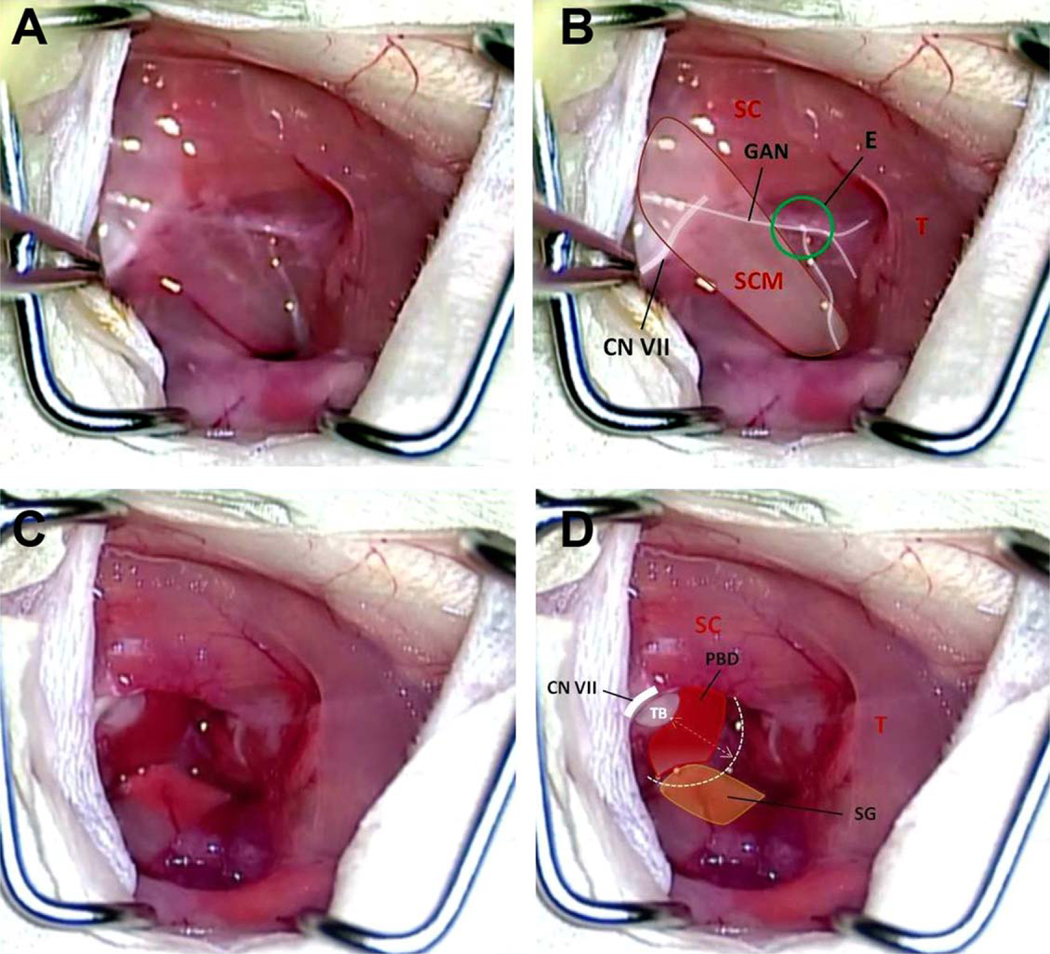
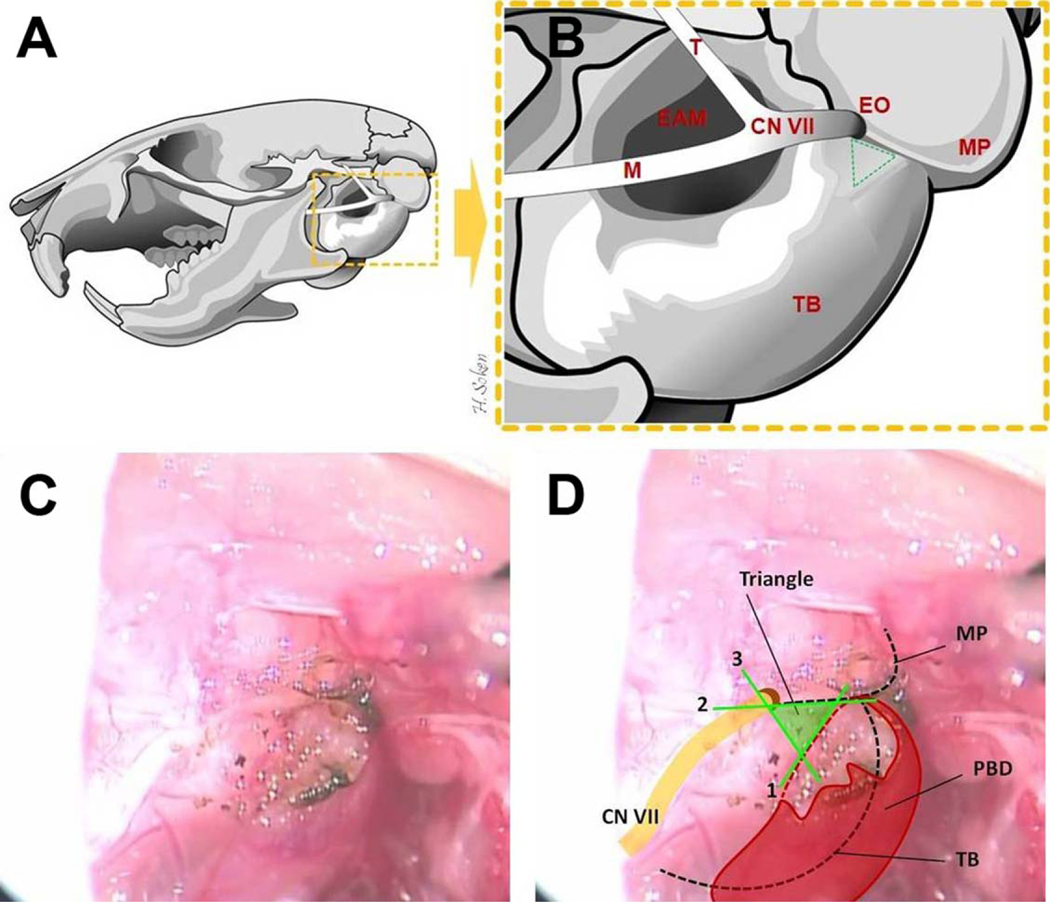
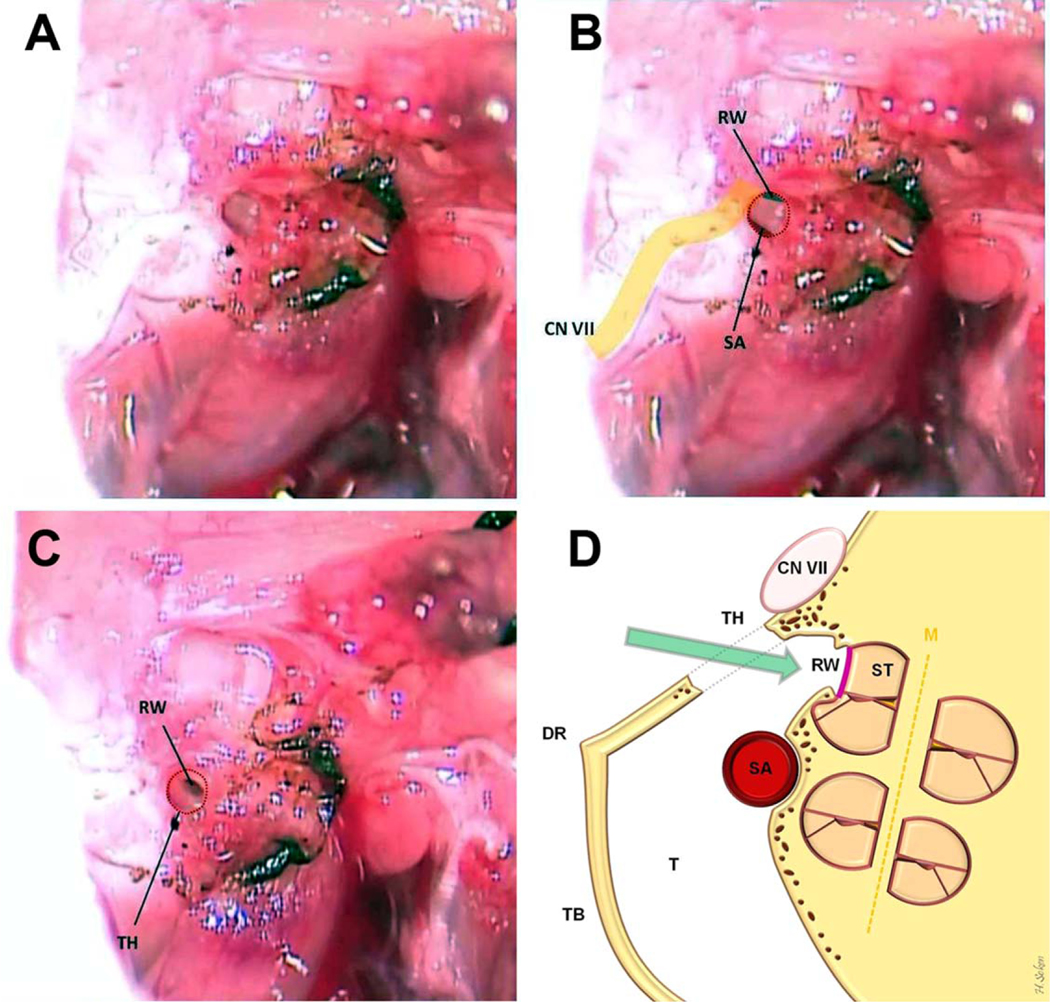
OBJECTIVES/HYPOTHESIS: The murine model has been used extensively to model and study human deafness. Technical difficulty in the surgical approach due to the small size of the tympanic bulla and a robust stapedial artery has limited its application for studies of cochlear implantation and electrical stimulation. We describe a minimally traumatic, stapedial artery-sparing approach to the round window that may be used to access the mouse cochlea for acute or chronic studies of implantation and stimulation.
Animal model.
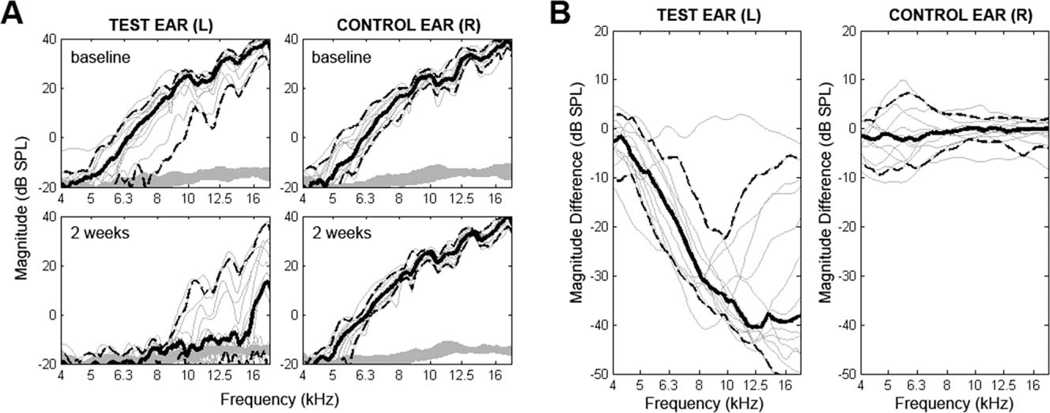
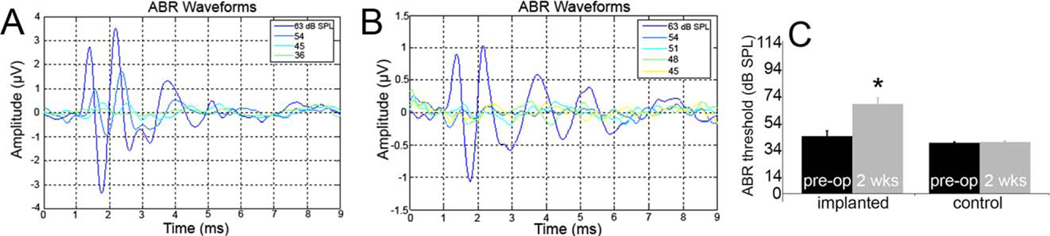
Fifteen C57BL6J mice were used to validate this approach. Auditory brainstem response threshold and distortion product otoacoustic emissions were obtained preoperatively and 2 weeks postoperatively to determine hearing preservation results.
The approach provided excellent exposure for round-window implantation. Substantial hearing was preserved in all animals with a mean postimplantation auditory brainstem response threshold increase of 27.8 dB. Otoacoustic emissions were lost in subjects with the largest threshold shifts.
Residual hearing after cochlear implantation is a determinant of success both with standard cochlear implant electrodes and with electrodes designed to optimize hearing preservation. Here, we have preserved usable hearing after implantation of C57BL6J mice, an endogenous model of human presbycusia. The murine model may become a powerful tool to assay the effects of cochlear intervention in different genetic backgrounds.
目的/假设:鼠模型已被广泛用于模拟和研究人类耳聋。由于鼓室小和强壮的镫骨动脉,手术方法存在技术难度,限制了其在耳蜗植入和电刺激研究中的应用。我们描述了一种微创、保留镫骨动脉的圆窗入路,可用于急性或慢性植入和刺激研究中进入小鼠耳蜗。
动物模型。
15 只 C57BL6J 小鼠用于验证该方法。在术前和术后 2 周获得听性脑干反应阈值和畸变产物耳声发射,以确定听力保存结果。
该方法为圆窗植入提供了极好的暴露。所有动物的听力均得到了大量保存,平均植入后听性脑干反应阈值增加 27.8dB。听力最大移位的受试者的耳声发射消失。
耳蜗植入后的残余听力是标准耳蜗植入电极和旨在优化听力保存的电极成功的决定因素。在这里,我们在 C57BL6J 小鼠(人类 presbycusia 的内源性模型)植入后保留了可用听力。鼠模型可能成为研究不同遗传背景下耳蜗干预效果的有力工具。