Fairweather Delisa
Department of Environmental Health Sciences and Pathology, Johns Hopkins University Bloomberg School of Public Health and School of Medicine, Baltimore, USA.
Int J Biomed Sci. 2007 Mar;3(1):9-13.
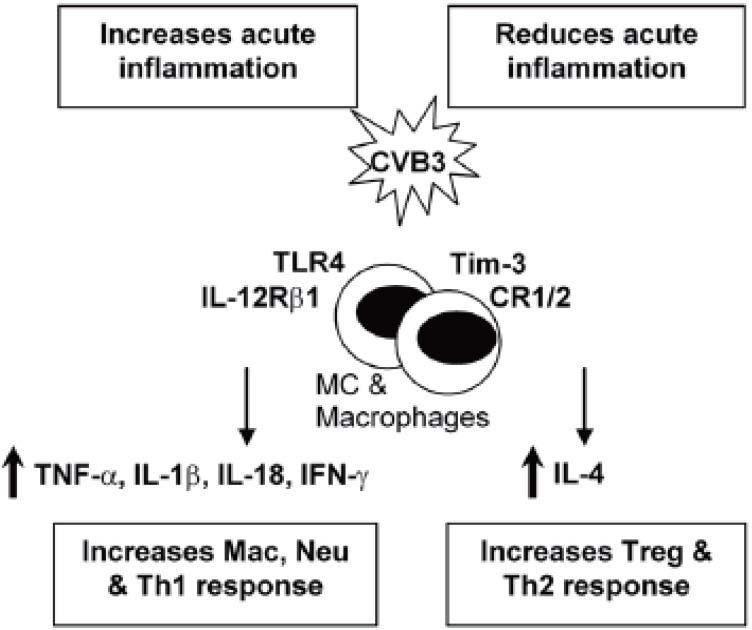
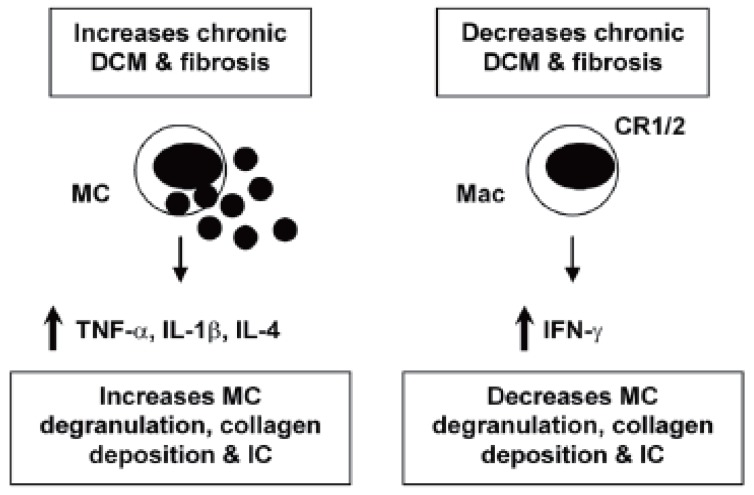
Cardiovascular disease is the leading cause of death in the United States and estimated to be the leading cause of death worldwide by the year 2020. Many pathogens including bacteria, protozoa, and viruses are associated with inflammatory heart disease in patients, and can induce similar disease in animal models. Recognition of pathogens by the innate immune system leads to the release of proinflammatory cytokines that both reduce infection and increase inflammation in the heart. Signaling pathways that will eventually down-regulate cardiac inflammation, such as anti-inflammatory cytokines and regulatory T cells, are also initiated during the innate immune response. A careful balance between activation and regulation of the immune response to infection reduces the severity of inflammation in the heart, the leading cause of cardiovascular diseases such as atherosclerosis, myocarditis and dilated cardiomyopathy.
心血管疾病是美国的首要死因,预计到2020年将成为全球首要死因。包括细菌、原生动物和病毒在内的许多病原体与患者的炎症性心脏病有关,并且能在动物模型中诱发类似疾病。先天性免疫系统对病原体的识别会导致促炎细胞因子的释放,这些细胞因子既能减少感染,又会加剧心脏炎症。在先天性免疫反应过程中,也会启动一些最终会下调心脏炎症的信号通路,如抗炎细胞因子和调节性T细胞。对感染的免疫反应激活与调节之间的精确平衡可减轻心脏炎症的严重程度,而心脏炎症是动脉粥样硬化、心肌炎和扩张型心肌病等心血管疾病的主要病因。