Department of Psychology, Neuroscience & Behaviour, McMaster University Hamilton, ON, Canada.
Front Psychol. 2013 May 10;4:221. doi: 10.3389/fpsyg.2013.00221. eCollection 2013.
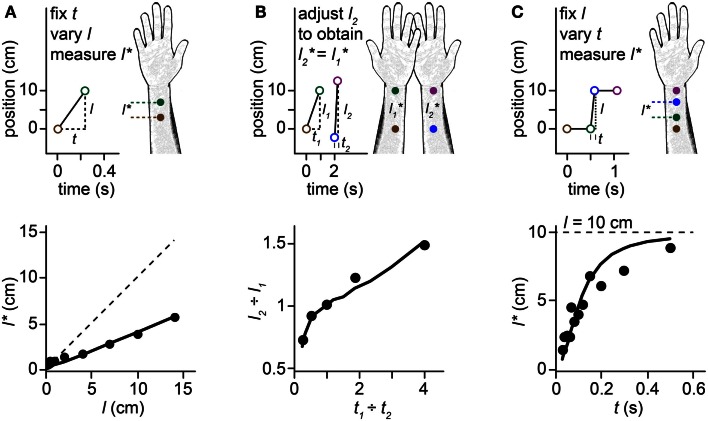
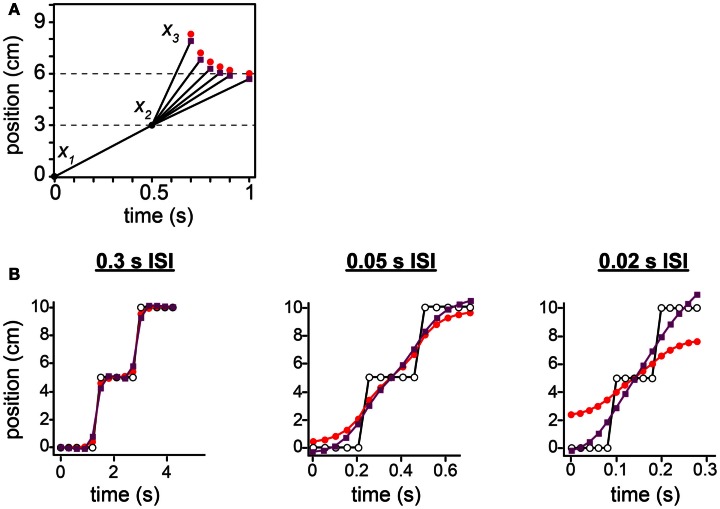
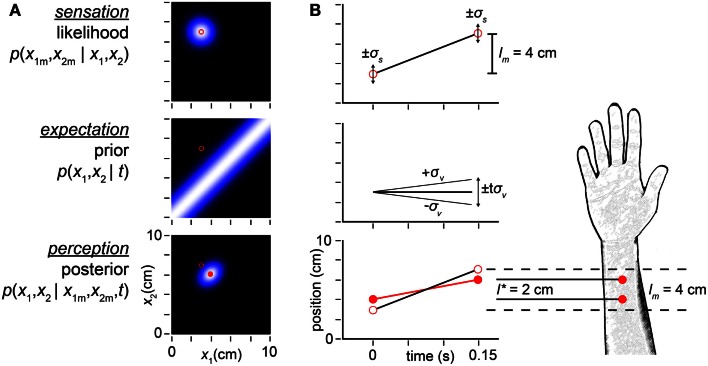
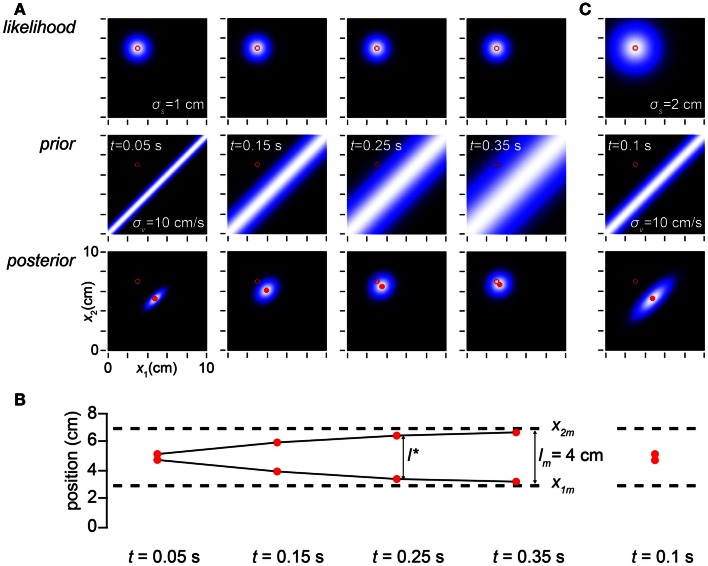
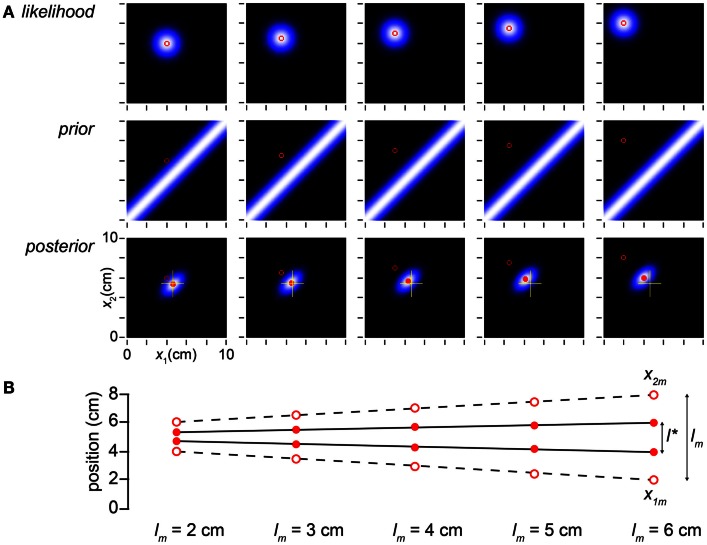
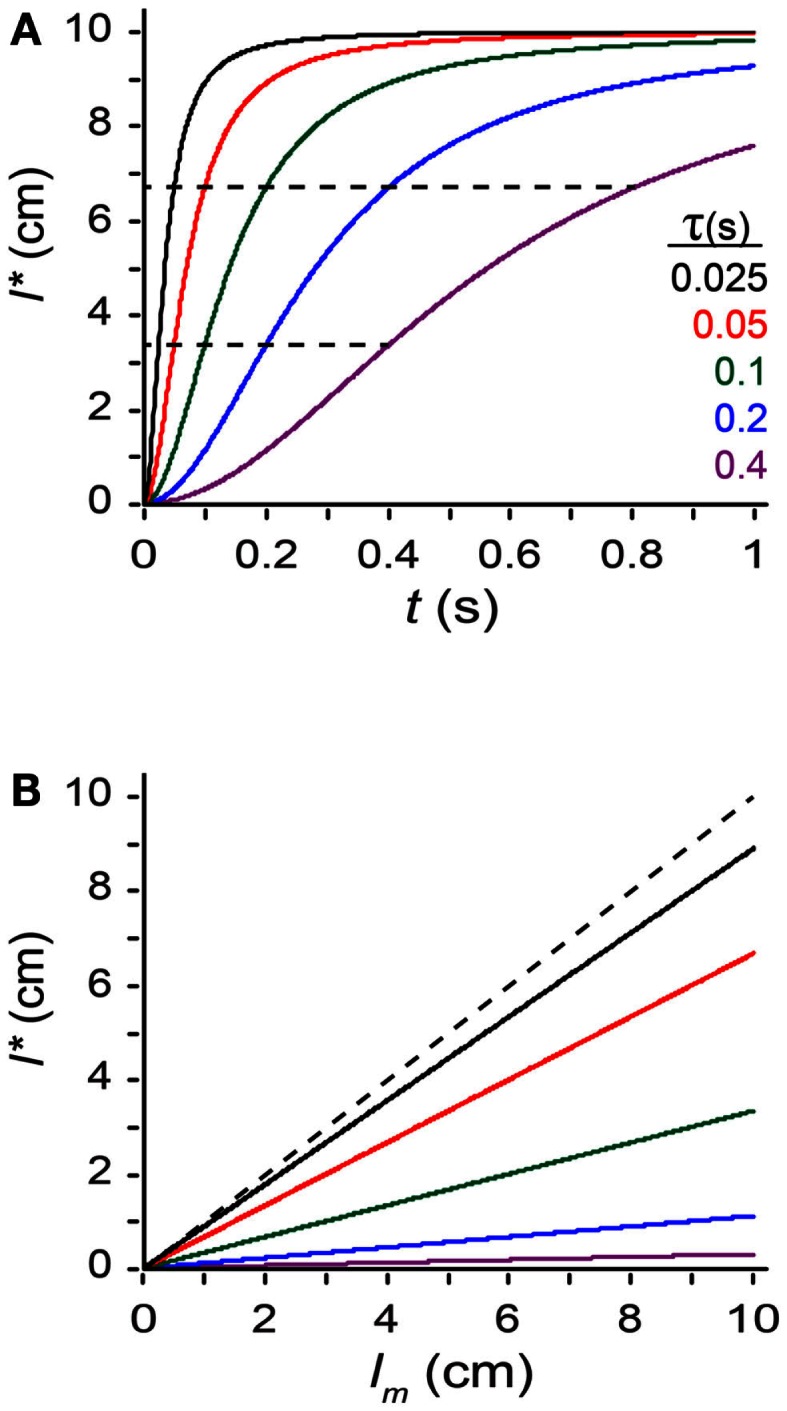
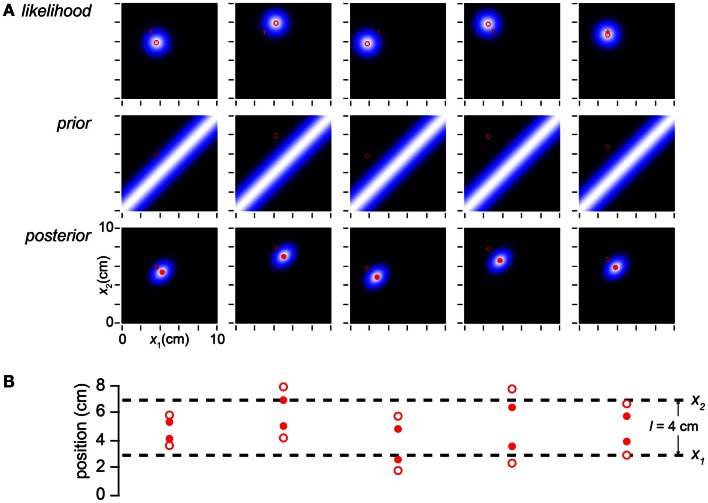
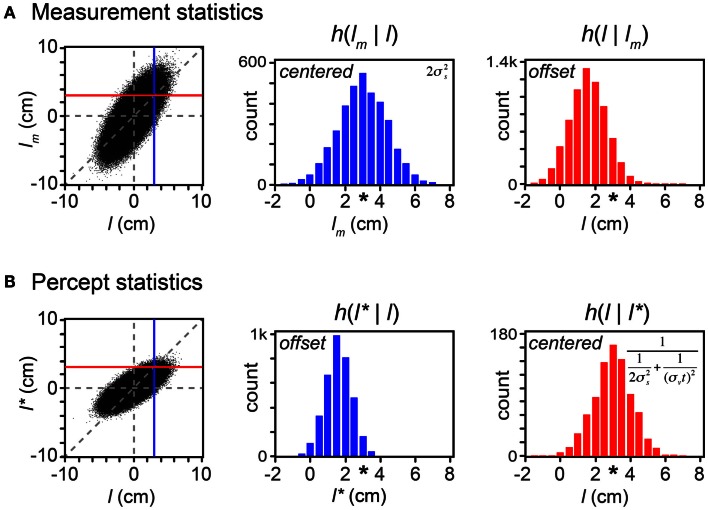
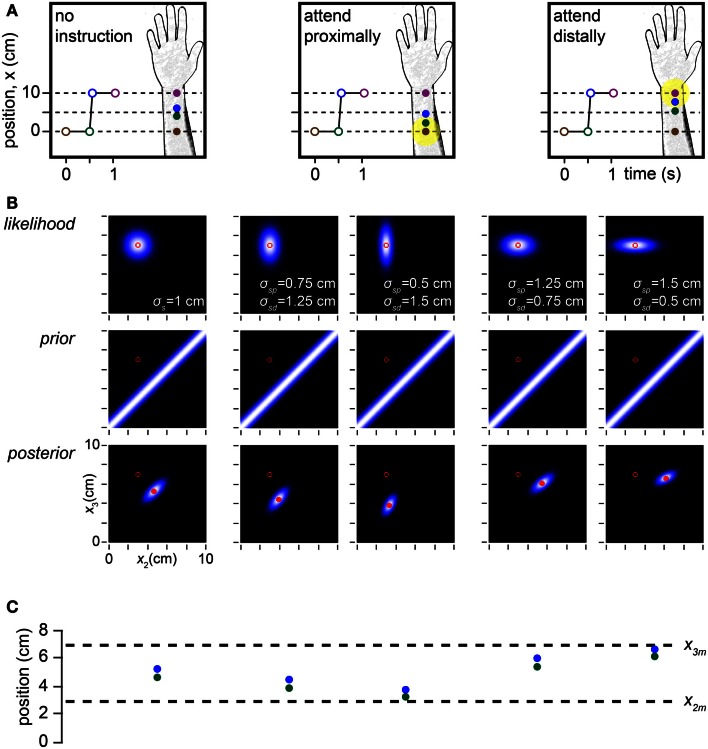
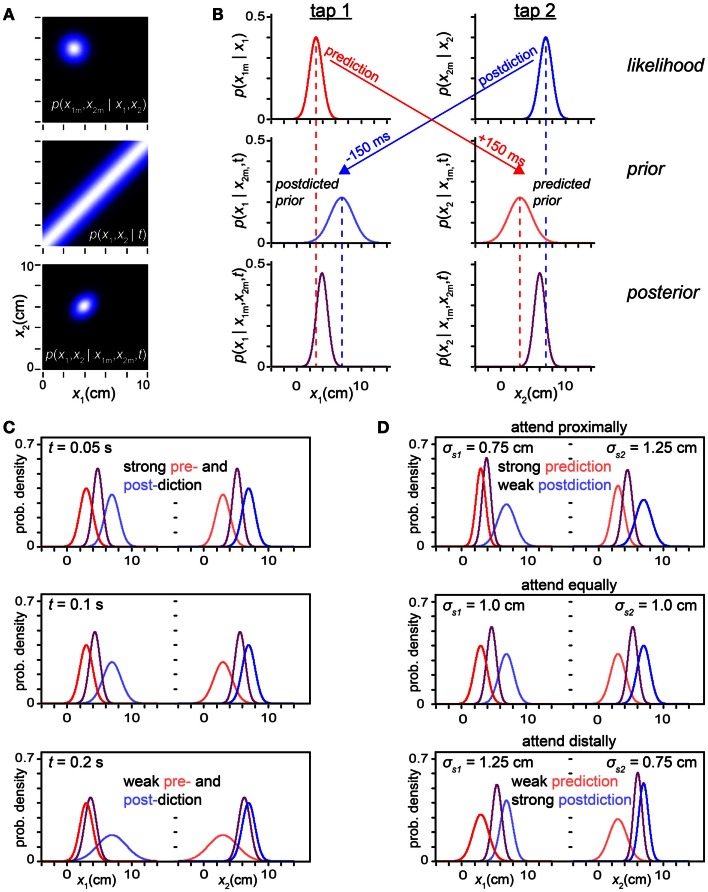
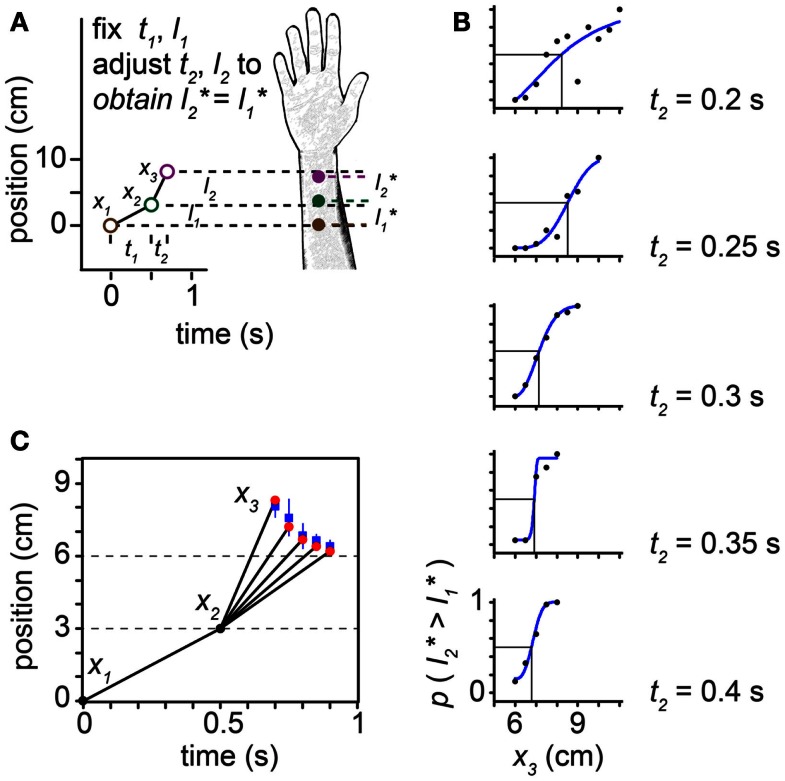
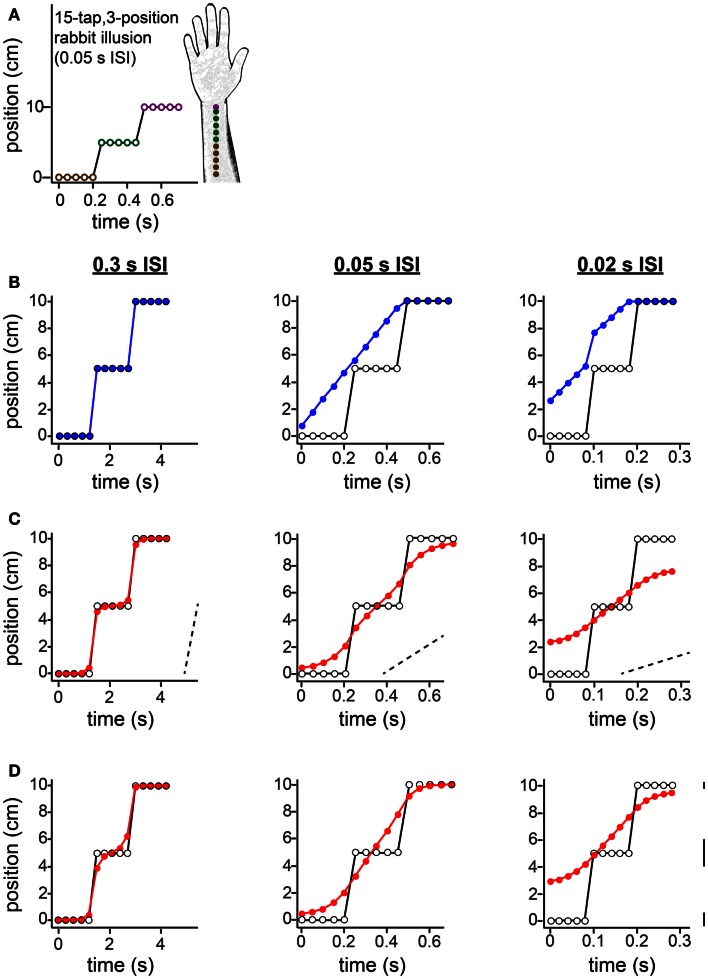
Illusions provide a window into the brain's perceptual strategies. In certain illusions, an ostensibly task-irrelevant variable influences perception. For example, in touch as in audition and vision, the perceived distance between successive punctate stimuli reflects not only the actual distance but curiously the inter-stimulus time. Stimuli presented at different positions in rapid succession are drawn perceptually toward one another. This effect manifests in several illusions, among them the startling cutaneous rabbit, in which taps delivered to as few as two skin positions appear to hop progressively from one position to the next, landing in the process on intervening areas that were never stimulated. Here we provide an accessible step-by-step exposition of a Bayesian perceptual model that replicates the rabbit and related illusions. The Bayesian observer optimally joins uncertain estimates of spatial location with the expectation that stimuli tend to move slowly. We speculate that this expectation - a Bayesian prior - represents the statistics of naturally occurring stimuli, learned by humans through sensory experience. In its simplest form, the model contains a single free parameter, tau: a time constant for space perception. We show that the Bayesian observer incorporates both pre- and post-dictive inference. Directed spatial attention affects the prediction-postdiction balance, shifting the model's percept toward the attended location, as observed experimentally in humans. Applying the model to the perception of multi-tap sequences, we show that the low-speed prior fits perception better than an alternative, low-acceleration prior. We discuss the applicability of our model to related tactile, visual, and auditory illusions. To facilitate future model-driven experimental studies, we present a convenient freeware computer program that implements the Bayesian observer; we invite investigators to use this program to create their own testable predictions.
错觉为大脑的感知策略提供了一个窗口。在某些错觉中,表面上与任务无关的变量会影响感知。例如,在触觉中,与听觉和视觉一样,感知到的连续点状刺激之间的距离不仅反映了实际距离,而且还反映了奇怪的刺激间时间。快速连续呈现的刺激在感知上彼此靠近。这种效应在几种错觉中表现出来,其中包括惊人的皮肤兔子错觉,其中在两个皮肤位置上施加的轻敲似乎会从一个位置逐渐跳到下一个位置,在这个过程中落在从未被刺激过的中间区域。在这里,我们提供了一个易于理解的贝叶斯感知模型的逐步阐述,该模型复制了兔子和相关错觉。贝叶斯观察者最佳地将空间位置的不确定估计与刺激倾向于缓慢移动的期望结合起来。我们推测,这种期望 - 贝叶斯先验 - 代表了自然发生的刺激的统计数据,人类通过感官经验学习。在最简单的形式中,该模型只包含一个自由参数,tau:空间感知的时间常数。我们表明,贝叶斯观察者结合了前向和后向推断。定向空间注意会影响预测-后测平衡,使模型的感知向注意力所在的位置移动,这在人类的实验中得到了观察。将模型应用于多轻敲序列的感知,我们表明,低速先验比替代的低加速度先验更适合感知。我们讨论了我们的模型在相关触觉、视觉和听觉错觉中的适用性。为了方便未来基于模型的实验研究,我们提出了一个方便的免费计算机程序,该程序实现了贝叶斯观察者;我们邀请研究人员使用该程序来创建他们自己可测试的预测。