Department of Medicine, Division of Hematology and Oncology, Center for Stem Cell and Regenerative Medicine, Case Western Reserve University, Cleveland, Ohio, United States of America.
PLoS One. 2013 May 10;8(5):e63152. doi: 10.1371/journal.pone.0063152. Print 2013.
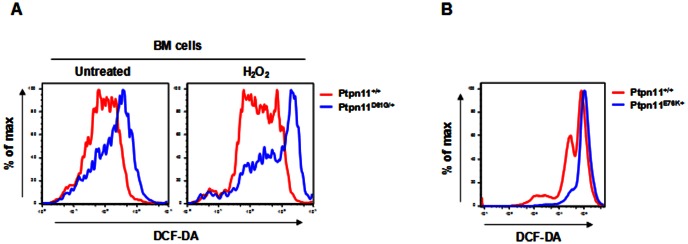
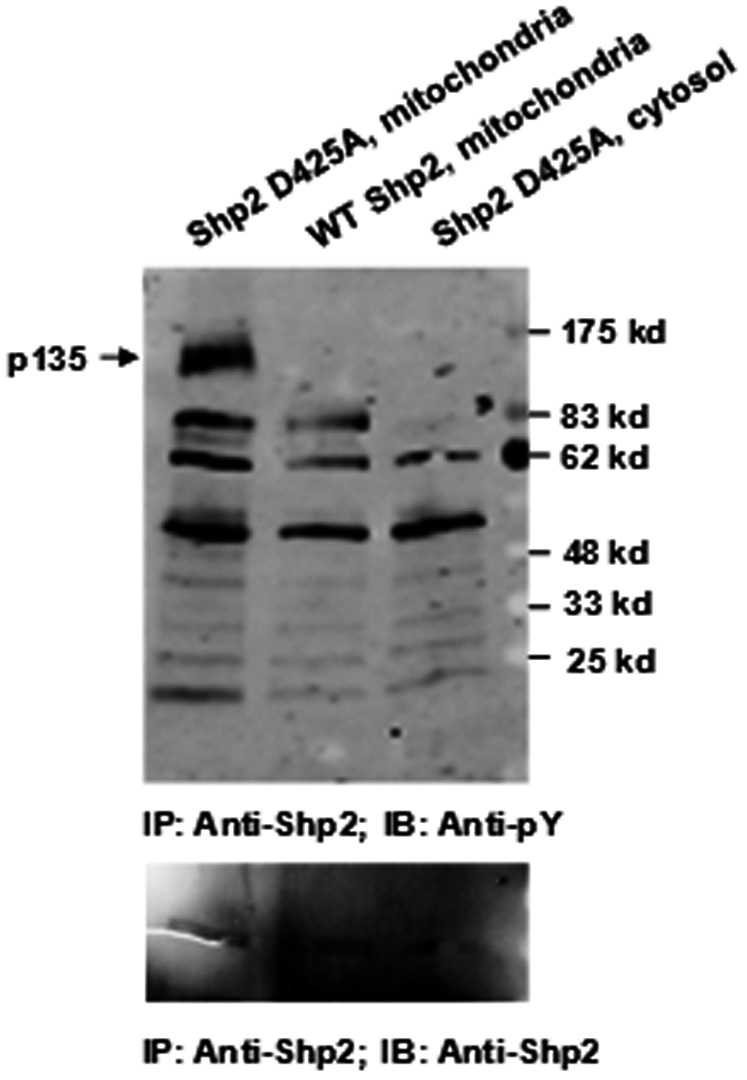
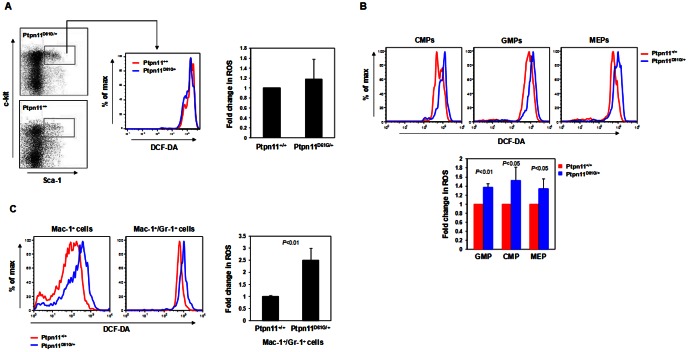
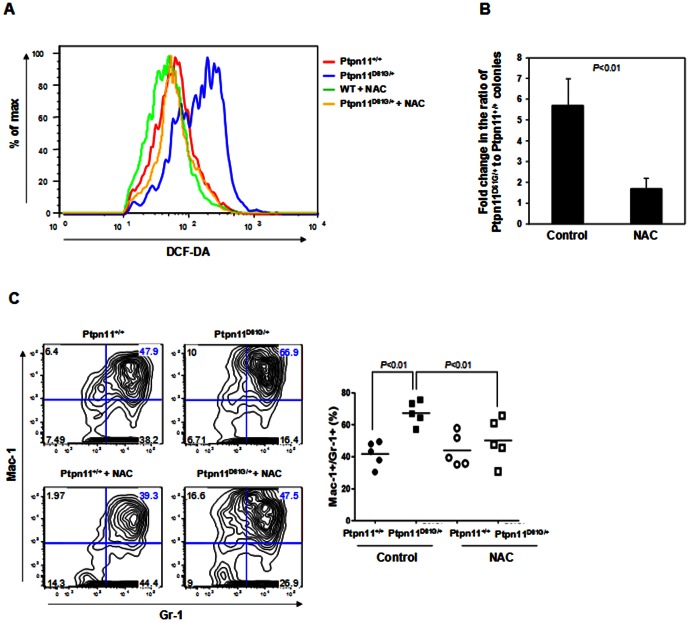
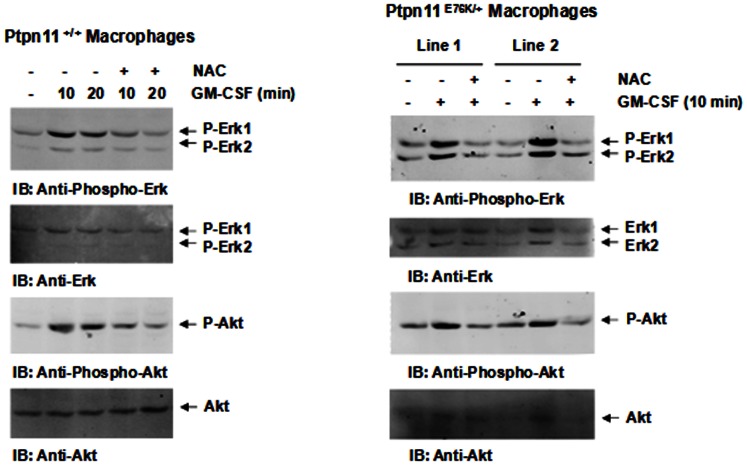
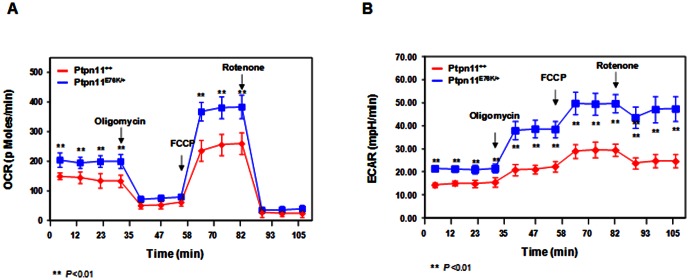
Gain of function (GOF) mutations in protein tyrosine phosphatase Ptpn11 have been identified in childhood leukemias, and these mutations are sufficient to drive the development of myeloproliferative disorder and malignant leukemias in mice. However, the molecular mechanisms by which Ptpn11 mutations induce these malignancies are not completely understood. Here we report that Ptpn11 GOF mutations cause cytokine hypersensitivity in hematopoietic cells partly by enhancing the production of reactive oxygen species (ROS). GOF mutations D61G or E76K in Ptpn11 increased ROS levels in myeloid progenitors but not in hematopoietic stem cells. Increased ROS enhanced cellular responses to cytokines by promoting cytokine signaling. Treatment with an antioxidant partially corrected cytokine hypersensitivity in Ptpn11 mutant progenitors. Further analyses demonstrated that Ptpn11 mutations increased mitochondrial aerobic metabolism by interacting with a novel substrate in the mitochondria. This study provides new insights into the pathogenic effects of GOF mutations of Ptpn11 and implies that antioxidants may have a therapeutic benefit for the leukemic patients with these mutations.
蛋白酪氨酸磷酸酶 Ptpn11 的功能获得(GOF)突变已在儿童白血病中被鉴定出来,这些突变足以在小鼠中驱动骨髓增生异常和恶性白血病的发展。然而,Ptpn11 突变诱导这些恶性肿瘤的分子机制尚不完全清楚。在这里,我们报告 Ptpn11 的 GOF 突变导致造血细胞中的细胞因子超敏反应,部分是通过增强活性氧(ROS)的产生。Ptpn11 的 GOF 突变 D61G 或 E76K 增加了髓系祖细胞中的 ROS 水平,但不增加造血干细胞中的 ROS 水平。增加的 ROS 通过促进细胞因子信号转导增强了细胞对细胞因子的反应。抗氧化剂治疗部分纠正了 Ptpn11 突变祖细胞的细胞因子超敏反应。进一步的分析表明,Ptpn11 突变通过与线粒体中的一种新底物相互作用增加了线粒体的需氧代谢。这项研究为 Ptpn11 的 GOF 突变的致病效应提供了新的见解,并暗示抗氧化剂可能对具有这些突变的白血病患者具有治疗益处。