Department of Chemistry, New York University, New York, NY 10003, USA.
Nucleic Acids Res. 2013 Aug;41(14):6785-92. doi: 10.1093/nar/gkt396. Epub 2013 May 15.
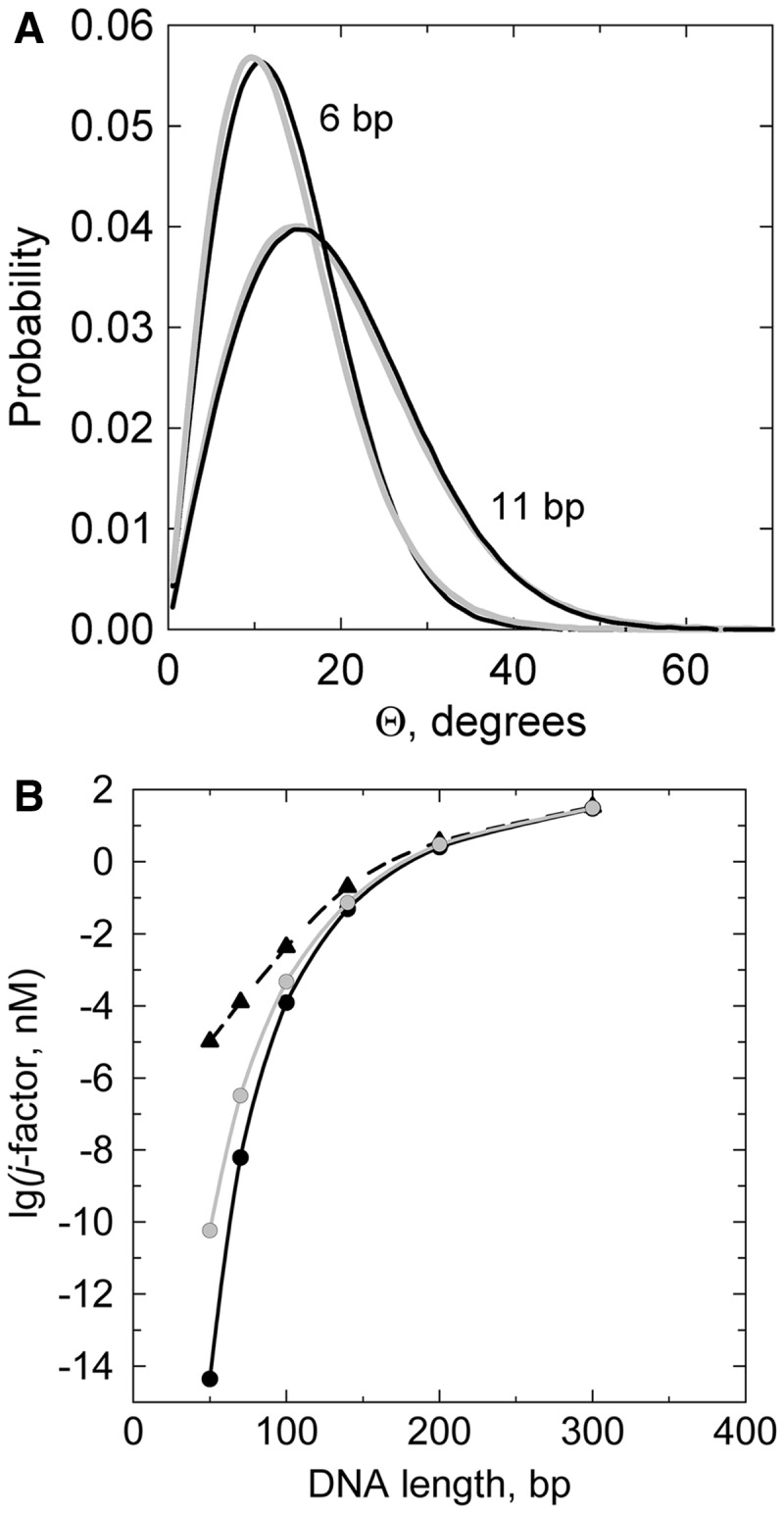
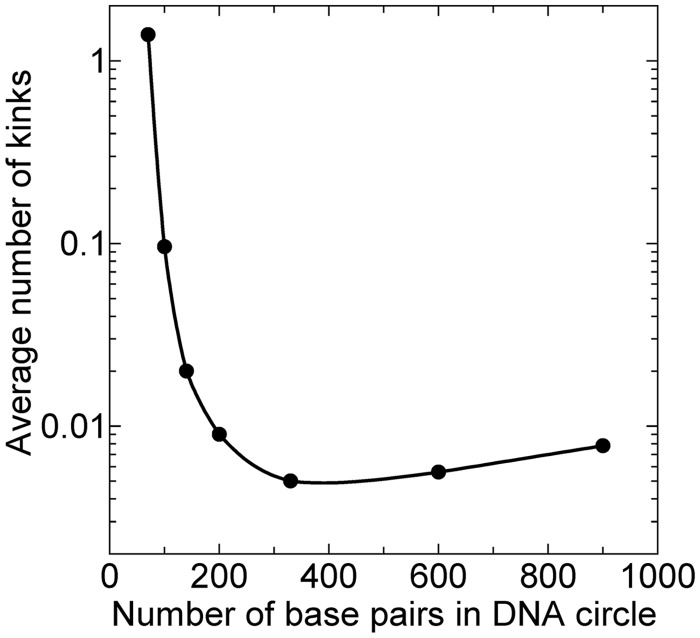
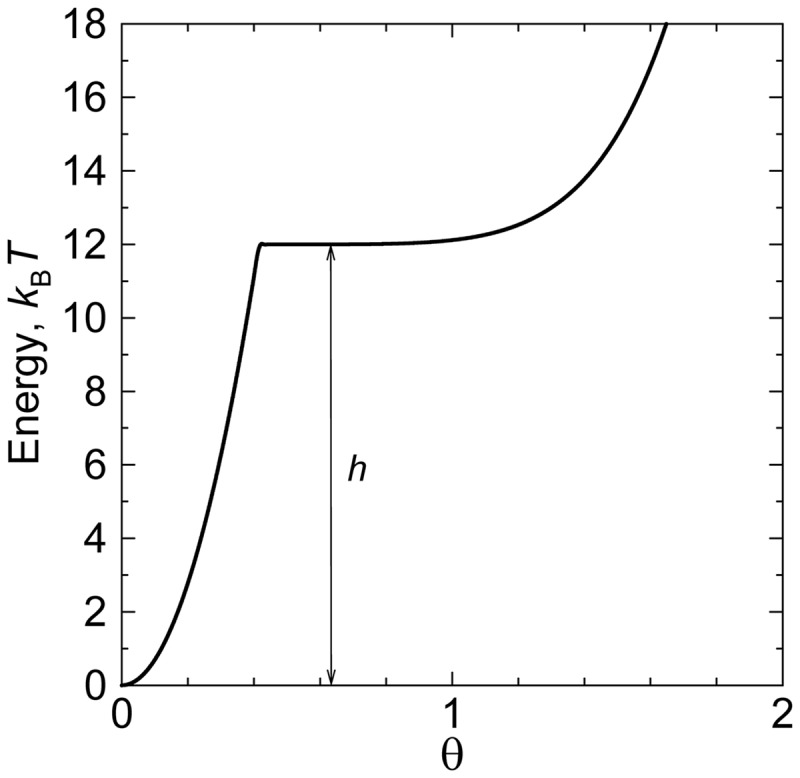
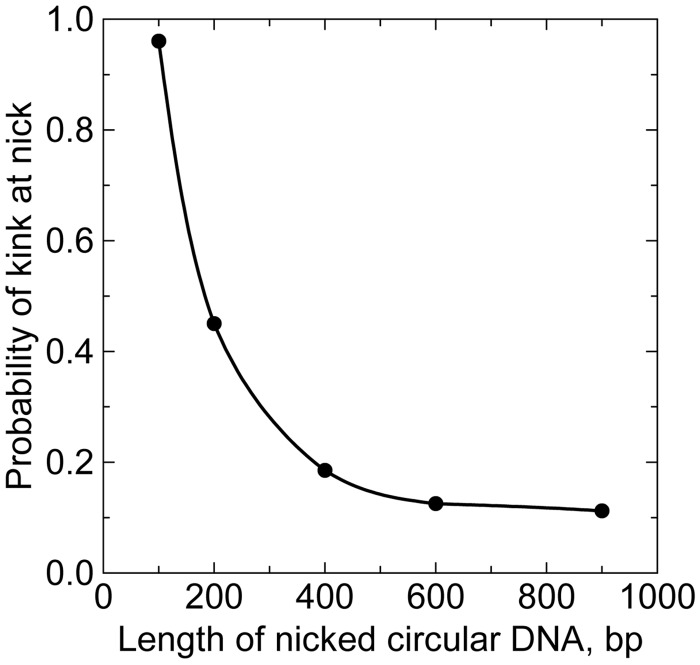
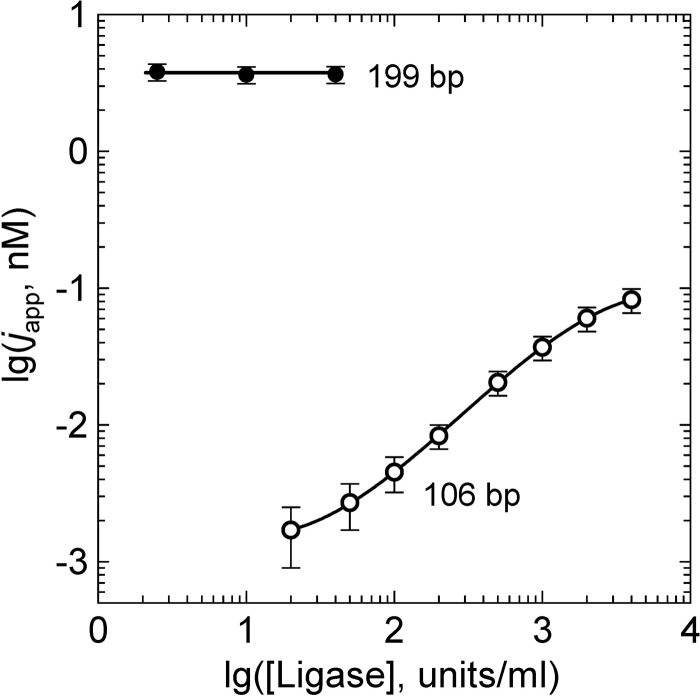
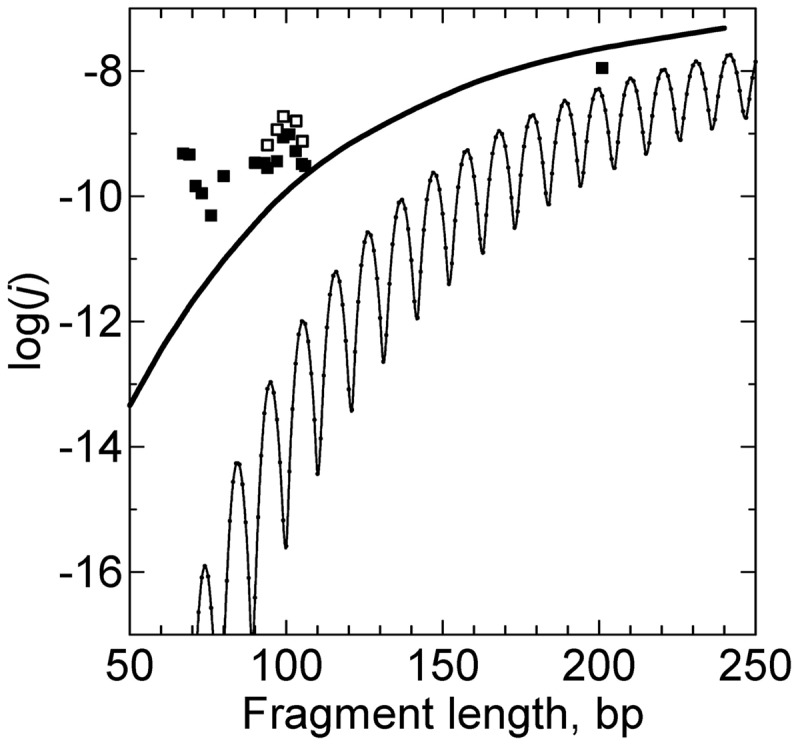
During the past decade, the issue of strong bending of the double helix has attracted a lot of attention. Here, we overview the major experimental and theoretical developments in the field sorting out reliably established facts from speculations and unsubstantiated claims. Theoretical analysis shows that sharp bends or kinks have to facilitate strong bending of the double helix. It remains to be determined what is the critical curvature of DNA that prompts the appearance of the kinks. Different experimental and computational approaches to the problem are analyzed. We conclude that there is no reliable evidence that any anomalous behavior of the double helix happens when DNA fragments in the range of 100 bp are circularized without torsional stress. The anomaly starts at the fragment length of about 70 bp when sharp bends or kinks emerge in essentially every molecule. Experimental data and theoretical analysis suggest that kinks may represent openings of isolated base pairs, which had been experimentally detected in linear DNA molecules. The calculation suggests that although the probability of these openings in unstressed DNA is close to 10(-5), it increases sharply in small DNA circles reaching 1 open bp per circle of 70 bp.
在过去的十年中,双螺旋的强烈弯曲问题引起了广泛关注。在这里,我们综述了该领域的主要实验和理论进展,梳理了可靠的事实与推测和未经证实的说法。理论分析表明,急剧的弯曲或扭曲必须促进双螺旋的强烈弯曲。目前仍有待确定是什么导致 DNA 出现扭曲的临界曲率。分析了不同的实验和计算方法。我们的结论是,没有可靠的证据表明当没有扭转应力时,100bp 范围内的 DNA 片段环化时双螺旋会出现任何异常行为。当每个分子中出现急剧弯曲或扭曲时,该异常从大约 70bp 的片段长度开始出现。实验数据和理论分析表明,扭曲可能代表孤立碱基对的开口,这些开口已在线性 DNA 分子中被实验检测到。计算表明,尽管未受应力的 DNA 中这些开口的概率接近 10(-5),但在小的 DNA 环中,其概率急剧增加,在 70bp 的每个环中达到 1 个开口 bp。