Department of Biomedical Engineering, College of Engineering, University of Miami, Coral Gables, FL 33134, USA.
J Biomater Sci Polym Ed. 2013;24(9):1041-56. doi: 10.1080/09205063.2012.735097. Epub 2012 Oct 31.
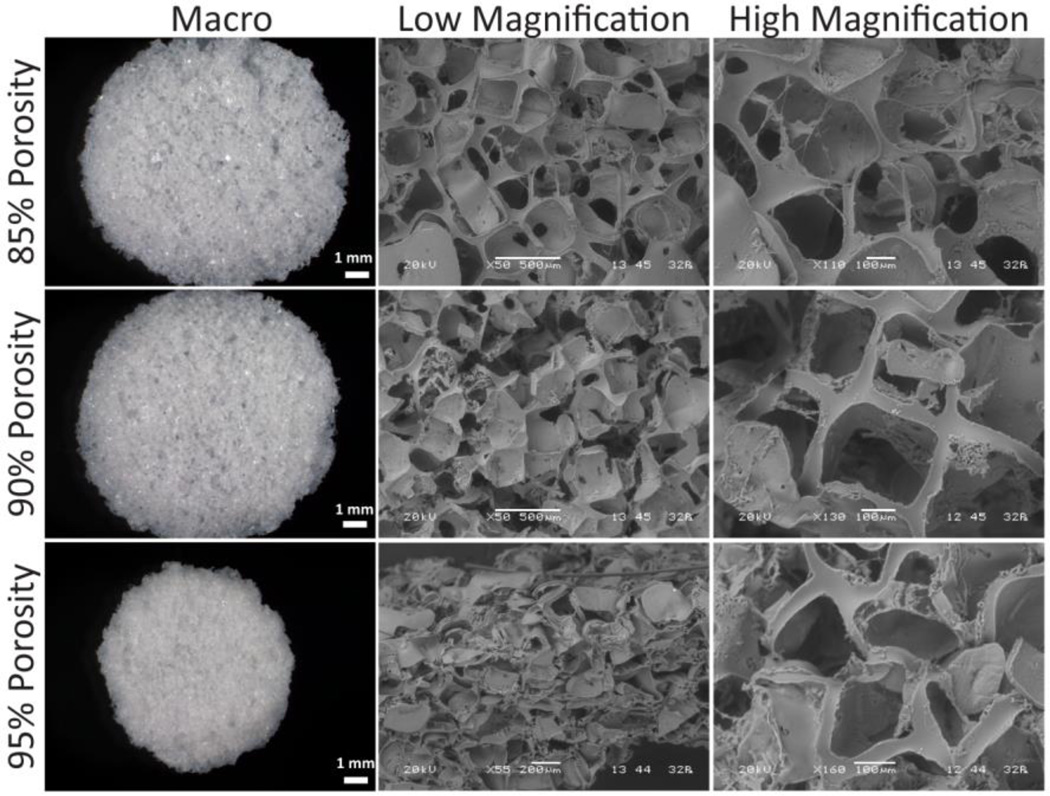
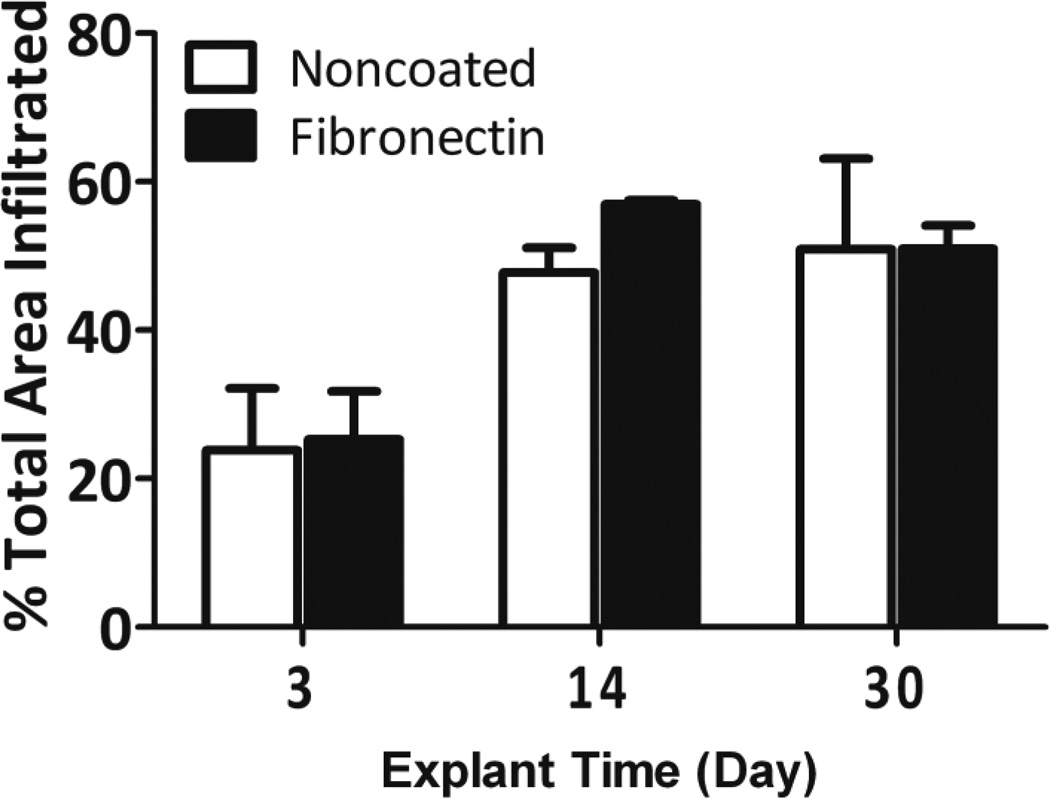
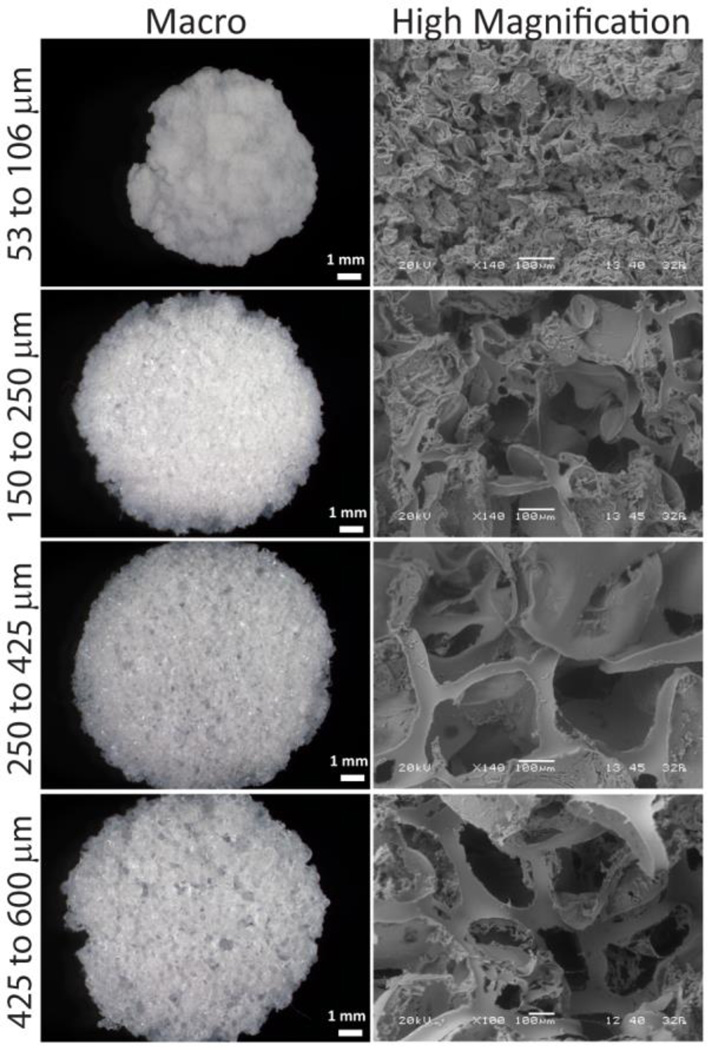
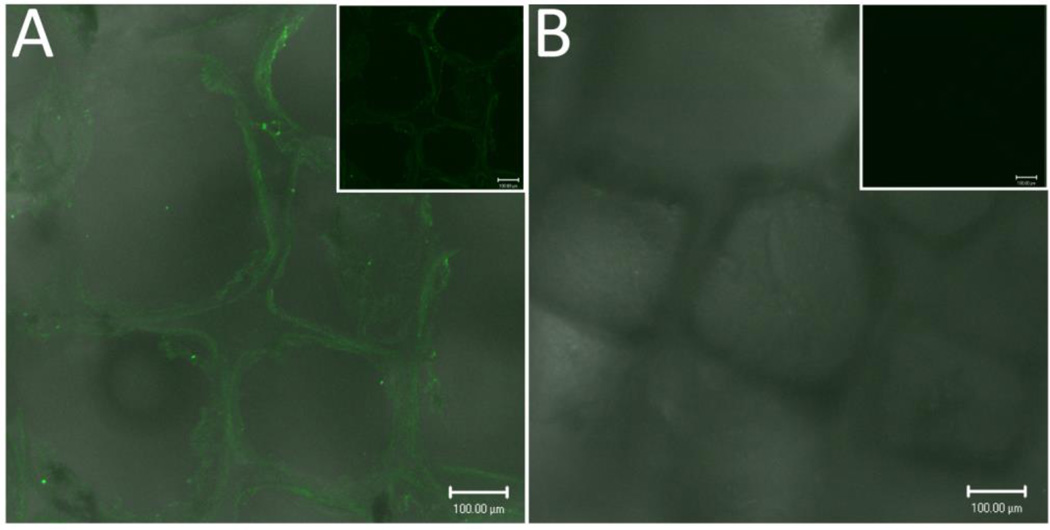
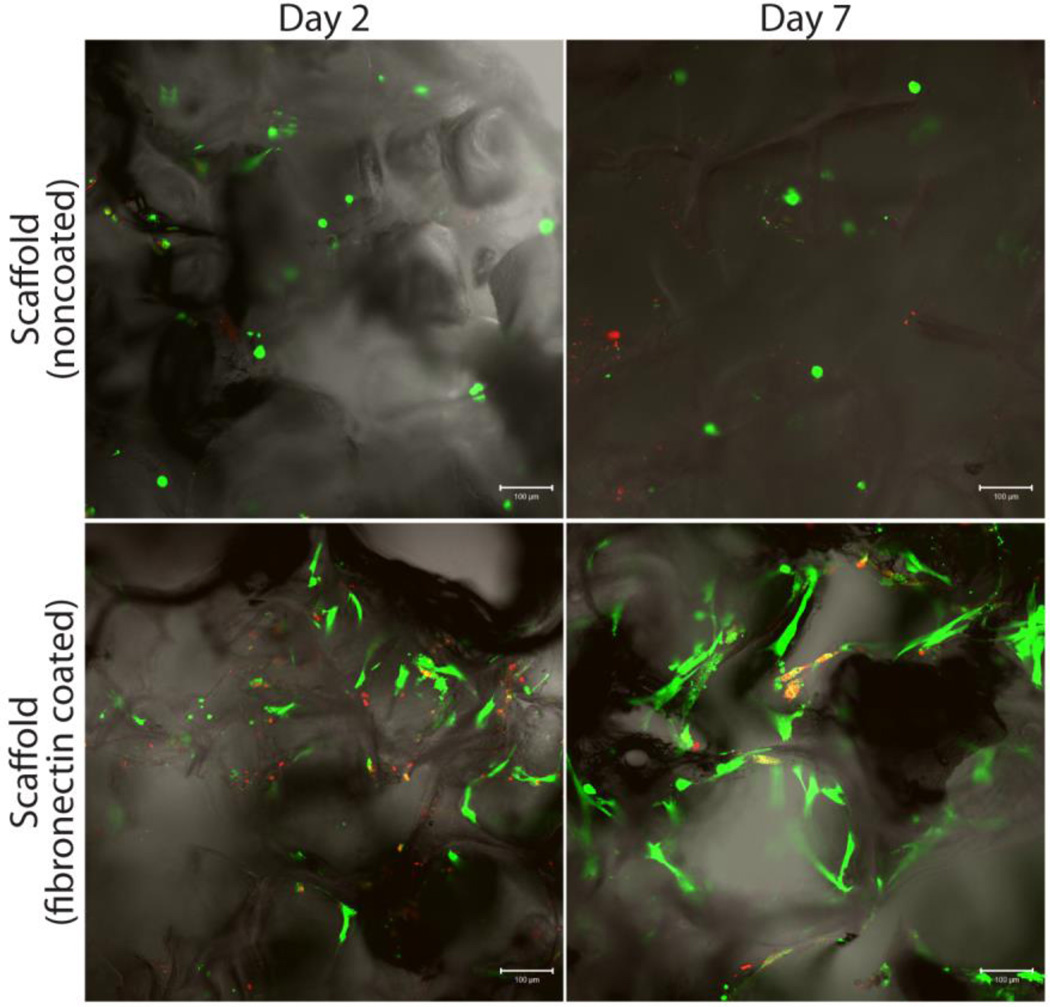
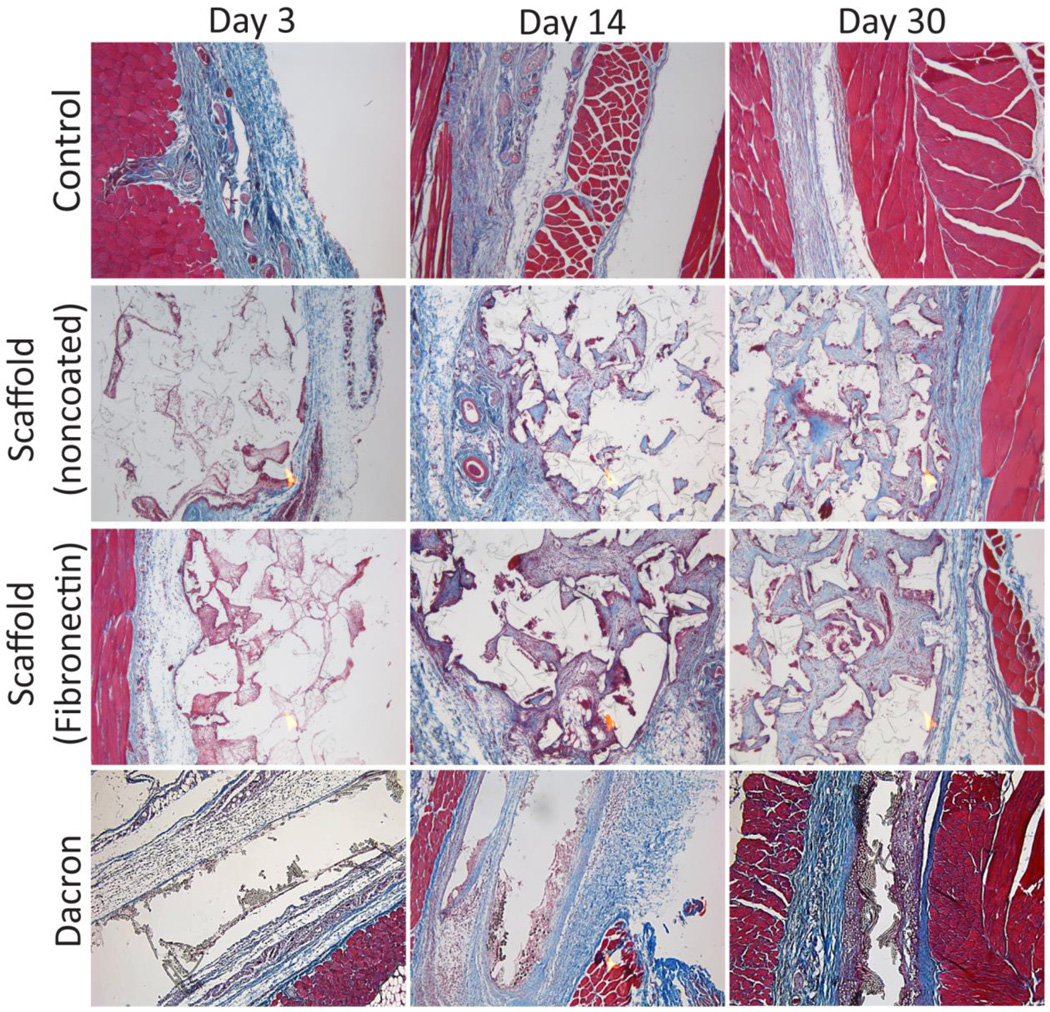
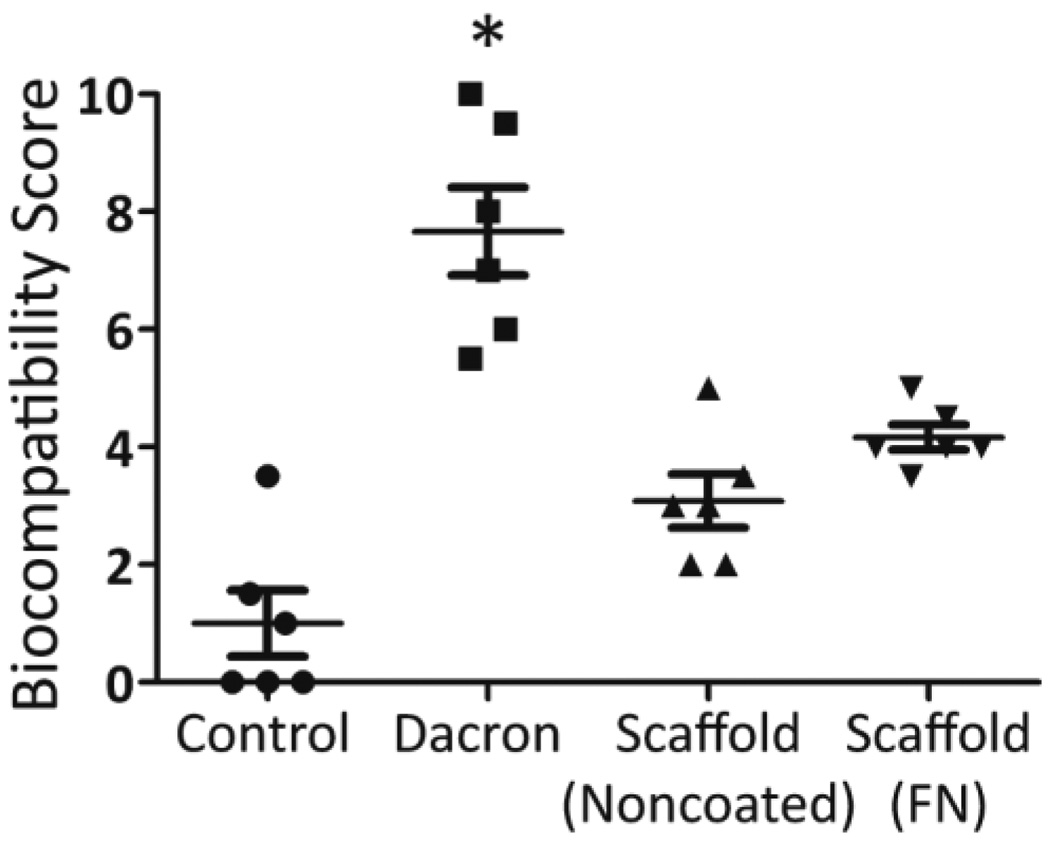
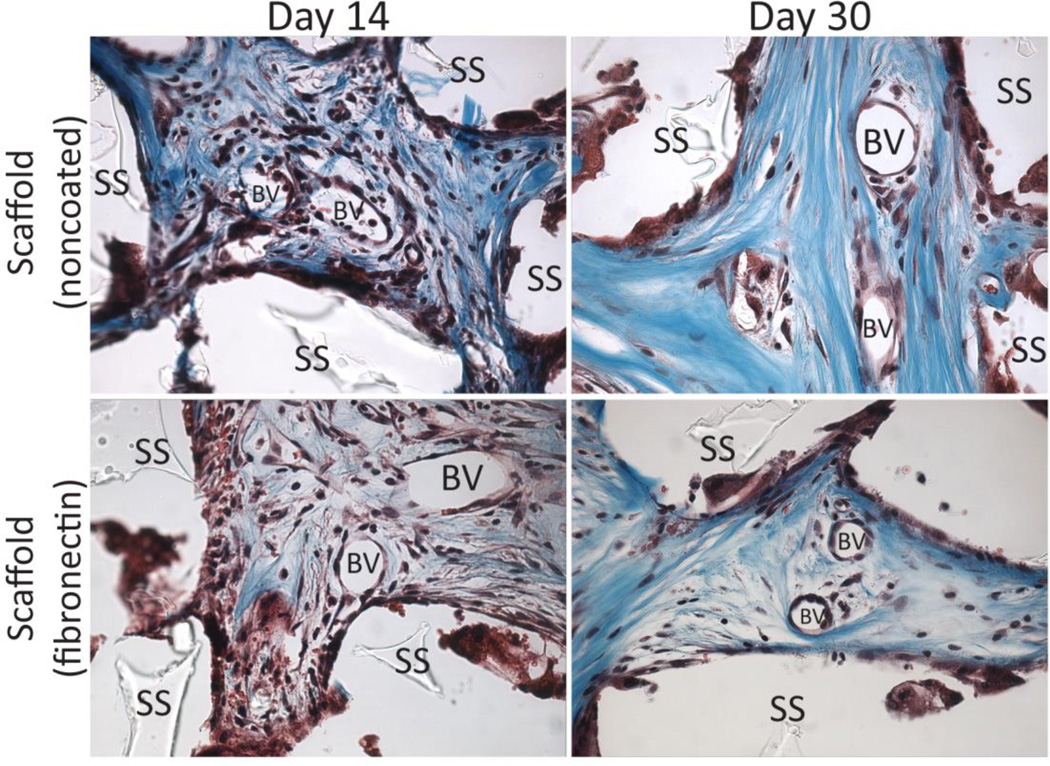
Macroporous, biostable scaffolds with controlled porous architecture were prepared from poly(dimethylsiloxane) (PDMS) using sodium chloride particles and a solvent casting and particulate leaching technique. The effect of particulate size range and overall porosity on the resulting structure was evaluated. Results found 90% v/v scaffolds and particulate ranges above 100 μm to have the most optimal open framework and porosity. Resulting hydrophobic PDMS scaffolds were coated with fibronectin and evaluated as a platform for adherent cell culture using human mesenchymal stem cells. Biocompatibility of PDMS scaffolds was also evaluated in a rodent model, where implants were found to be highly biocompatible and biostable, with positive extracellular matrix deposition throughout the scaffold. These results demonstrate the suitability of macroporous PDMS scaffolds for tissue engineering applications where strong integration with the host is desired.
采用氯化钠颗粒和溶剂浇铸及颗粒沥滤技术,从聚二甲基硅氧烷(PDMS)制备了具有可控多孔结构的大孔、生物稳定的支架。评估了颗粒尺寸范围和总孔隙率对所得结构的影响。结果发现,90%v/v 的支架和大于 100μm 的颗粒范围具有最理想的开放框架和孔隙率。所得疏水性 PDMS 支架用纤连蛋白进行涂层,并作为人骨髓间充质干细胞贴壁细胞培养的平台进行评估。PDMS 支架的生物相容性也在啮齿动物模型中进行了评估,结果表明植入物具有高度的生物相容性和生物稳定性,在整个支架中都有阳性细胞外基质沉积。这些结果表明,大孔 PDMS 支架适用于组织工程应用,在这些应用中需要与宿主有很强的整合。