Riedl Maria, Mantovan Franco, Them Christa
Institute of Nursing Science, The Private University of Health Sciences, Medical Informatics and Technology (UMIT), 6060 Hall in Tirol, Austria.
Nurs Res Pract. 2013;2013:932381. doi: 10.1155/2013/932381. Epub 2013 Apr 4.
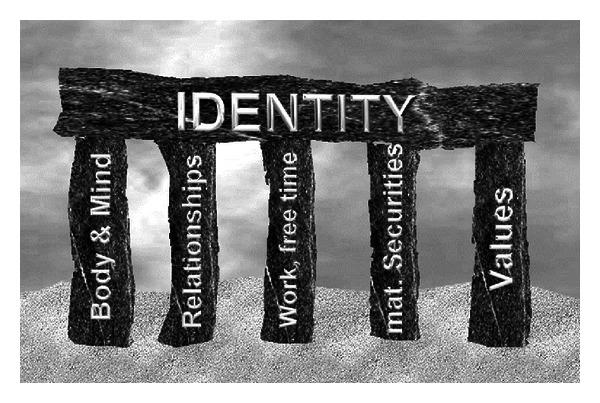
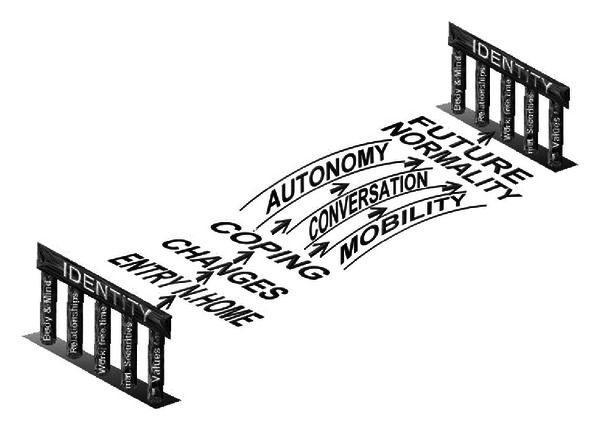
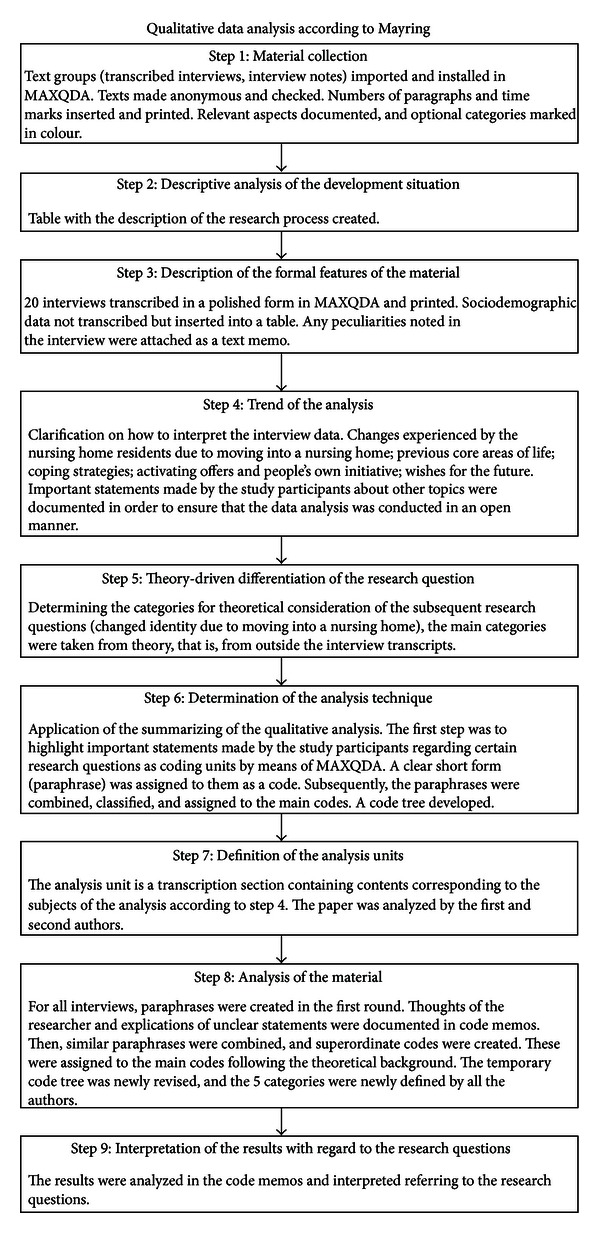
Going into a nursing home can turn out to be a critical life experience if elderly people are afraid of losing their independence and identity after having moved into a nursing home. In order to find out what nursing home residents need in their first year after having moved into a nursing home to maintain their identity and self-determination, 20 problem-orientated interviews with residents of three nursing homes in the Austrian province of Salzburg were conducted and analysed based on content analysis according to Mayring. The participants of this study resist against having decisions taken away from them and fight for their independence and identity. In order to be able to cope with these strains, they need the help of family members, professionals, and identity-forming conversations in new social networks in the nursing home. The study participants draw enough strength from their faith in order to fight for their independence. They develop a new identity close to their previous identity by maintaining autonomy and mobility with a clear focus on the future.
如果老年人担心入住养老院后会失去独立性和自我认同,那么入住养老院可能会成为一段关键的人生经历。为了了解养老院居民在入住后的第一年需要什么来维持他们的身份认同和自主决定权,我们在奥地利萨尔茨堡州的三家养老院对居民进行了20次问题导向型访谈,并根据迈林的内容分析法进行了分析。本研究的参与者反对他人剥夺他们做决定的权利,并为自己的独立性和身份认同而抗争。为了能够应对这些压力,他们需要家庭成员、专业人士的帮助,以及在养老院新社交网络中进行的塑造身份认同的对话。研究参与者从他们的信仰中汲取足够的力量来为自己的独立而抗争。他们通过保持自主性和行动能力,并明确着眼于未来,形成了一个与之前身份相近的新身份。