Department of Ophthalmology, University of Florida, 580 West 8th Street, Tower II, 3rd Fl., Jacksonville, FL 32209, USA.
Nutrients. 2013 May 22;5(5):1823-39. doi: 10.3390/nu5051823.
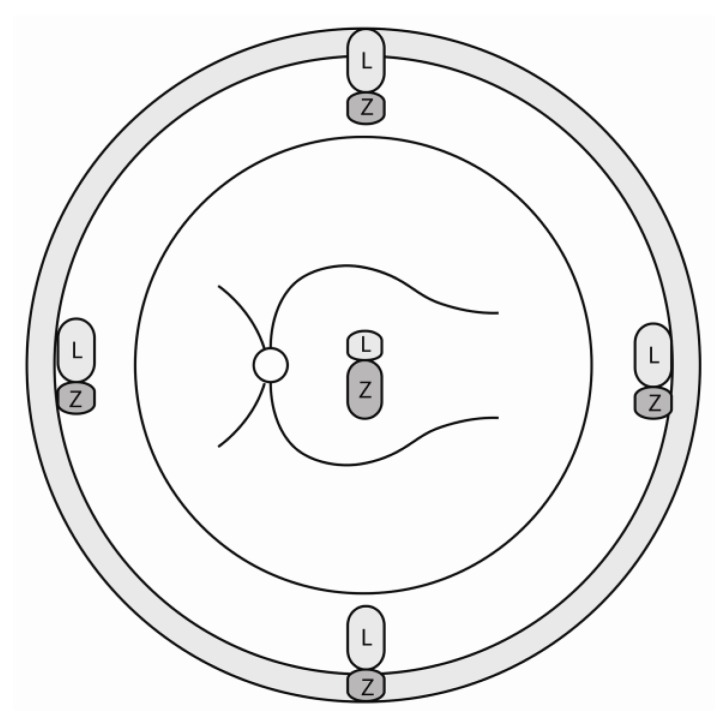
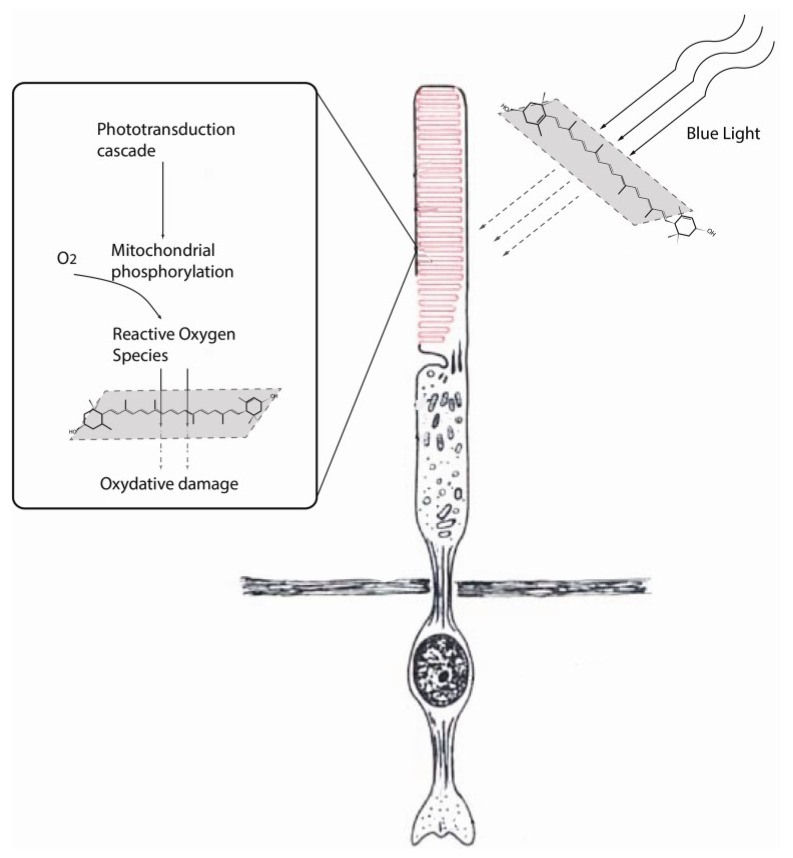
The lens and retina of the human eye are exposed constantly to light and oxygen. In situ phototransduction and oxidative phosphorylation within photoreceptors produces a high level of phototoxic and oxidative related stress. Within the eye, the carotenoids lutein and zeaxanthin are present in high concentrations in contrast to other human tissues. We discuss the role of lutein and zeaxanthin in ameliorating light and oxygen damage, and preventing age-related cellular and tissue deterioration in the eye. Epidemiologic research shows an inverse association between levels of lutein and zeaxanthin in eye tissues and age related degenerative diseases such as macular degeneration (AMD) and cataracts. We examine the role of these carotenoids as blockers of blue-light damage and quenchers of oxygen free radicals. This article provides a review of possible mechanisms of lutein action at a cellular and molecular level. Our review offers insight into current clinical trials and experimental animal studies involving lutein, and possible role of nutritional intervention in common ocular diseases that cause blindness.
人眼的晶状体和视网膜会不断受到光线和氧气的影响。光感受器内的原位光转导和氧化磷酸化会产生高水平的光毒性和氧化相关应激。在眼睛中,叶黄素和玉米黄质的类胡萝卜素的浓度比其他人体组织高。我们讨论了叶黄素和玉米黄质在改善光线和氧气损伤以及预防眼睛中与年龄相关的细胞和组织恶化方面的作用。流行病学研究表明,眼睛组织中叶黄素和玉米黄质的水平与年龄相关性退行性疾病(如黄斑变性(AMD)和白内障)呈负相关。我们研究了这些类胡萝卜素作为蓝光损伤阻滞剂和氧自由基淬灭剂的作用。本文综述了叶黄素在细胞和分子水平上的作用的可能机制。我们的综述提供了对涉及叶黄素的临床试验和实验动物研究的深入了解,以及营养干预在导致失明的常见眼部疾病中的可能作用。