Diabetes Unit, Department of Internal Medicine, Hadassah Hebrew University Hospital, Jerusalem, Israel.
Diabetes Care. 2013 Jun;36(6):1779-88. doi: 10.2337/dc13-0512.
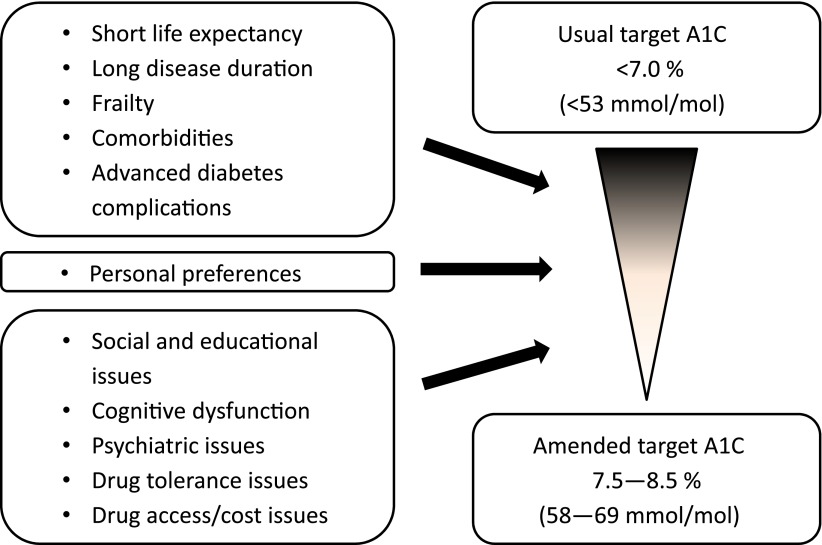
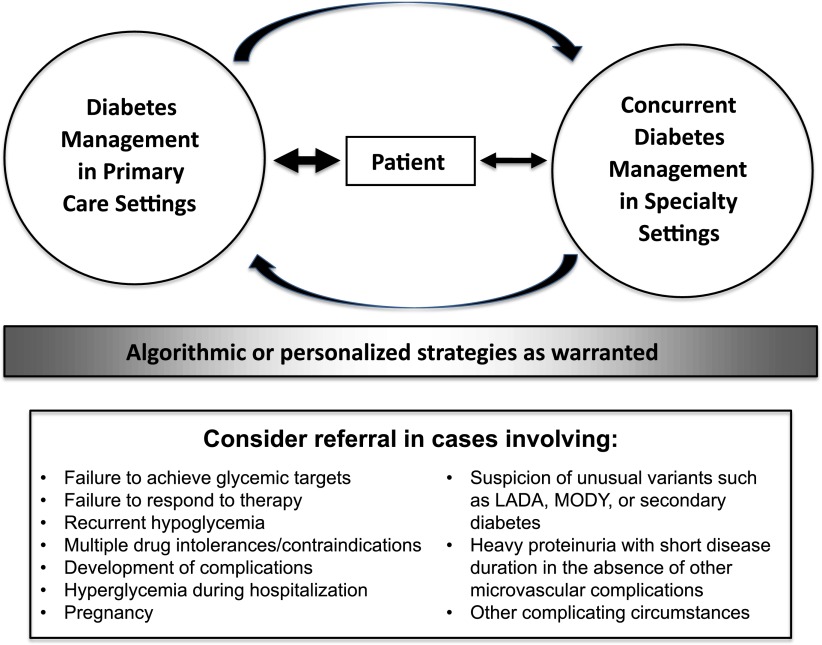
In June 2012, 13 thought leaders convened in a Diabetes Care Editors' Expert Forum to discuss the concept of personalized medicine in the wake of a recently published American Diabetes Association/European Association for the Study of Diabetes position statement calling for a patient-centered approach to hyperglycemia management in type 2 diabetes. This article, an outgrowth of that forum, offers a clinical translation of the underlying issues that need to be considered for effectively personalizing diabetes care. The medical management of type 2 diabetes has become increasingly complex, and its complications remain a great burden to individual patients and the larger society. The burgeoning armamentarium of pharmacological agents for hyperglycemia management should aid clinicians in providing early treatment to delay or prevent these complications. However, trial evidence is limited for the optimal use of these agents, especially in dual or triple combinations. In the distant future, genotyping and testing for metabolomic markers may help us to better phenotype patients and predict their responses to antihyperglycemic drugs. For now, a personalized ("n of 1") approach in which drugs are tested in a trial-and-error manner in each patient may be the most practical strategy for achieving therapeutic targets. Patient-centered care and standardized algorithmic management are conflicting approaches, but they can be made more compatible by recognizing instances in which personalized A1C targets are warranted and clinical circumstances that may call for comanagement by primary care and specialty clinicians.
2012 年 6 月,13 位思想领袖在《糖尿病护理》编辑专家论坛上聚集一堂,讨论个体化医学的概念。最近发表的美国糖尿病协会/欧洲糖尿病研究协会立场声明呼吁采用以患者为中心的方法来管理 2 型糖尿病患者的高血糖,这一概念引发了对个体化医学的讨论。本文源自该论坛,对需要考虑的潜在问题进行了临床转化,这些问题对于有效实现糖尿病护理的个体化至关重要。2 型糖尿病的医学管理已变得日益复杂,其并发症仍然给个体患者和整个社会带来巨大负担。用于高血糖管理的药理学药物不断增加,这应该有助于临床医生早期治疗,以延缓或预防这些并发症。然而,这些药物的最佳使用的试验证据有限,尤其是在双重或三重联合治疗中。在遥远的未来,基因分型和代谢组学标志物检测可能有助于我们更好地对患者进行表型分析,并预测他们对抗高血糖药物的反应。目前,在每个患者中进行试验和错误方式测试药物的个体化(“n 为 1”)方法可能是实现治疗目标的最实用策略。以患者为中心的护理和标准化算法管理是相互冲突的方法,但通过认识到需要个体化 A1C 目标的情况以及可能需要初级保健和专科临床医生共同管理的临床情况,可以使它们更加兼容。