Sonnen Andreas F-P, Henneke Philipp
Center of Chronic Immunodeficiency, Medical Center, University of Freiburg, Breisacher Straße 117, 79106 Freiburg, Germany.
Clin Dev Immunol. 2013;2013:608456. doi: 10.1155/2013/608456. Epub 2013 Apr 23.
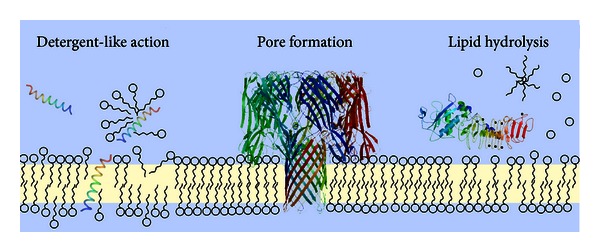
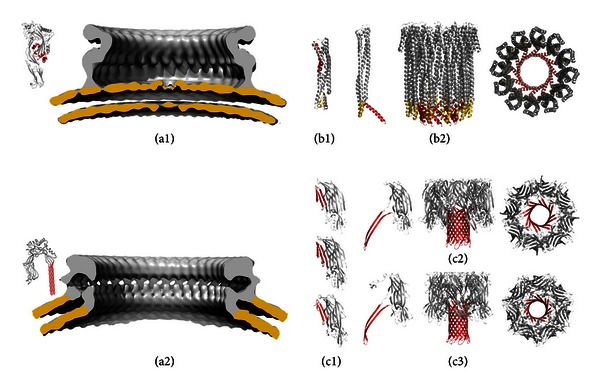
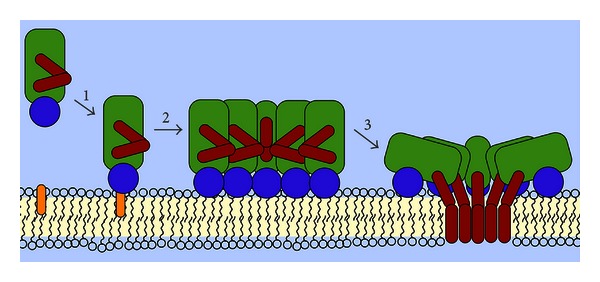
Protein toxins are important virulence factors contributing to neonatal sepsis. The major pathogens of neonatal sepsis, group B Streptococci, Escherichia coli, Listeria monocytogenes, and Staphylococcus aureus, secrete toxins of different molecular nature, which are key for defining the disease. Amongst these toxins are pore-forming exotoxins that are expressed as soluble monomers prior to engagement of the target cell membrane with subsequent formation of an aqueous membrane pore. Membrane pore formation is not only a means for immediate lysis of the targeted cell but also a general mechanism that contributes to penetration of epithelial barriers and evasion of the immune system, thus creating survival niches for the pathogens. Pore-forming toxins, however, can also contribute to the induction of inflammation and hence to the manifestation of sepsis. Clearly, pore-forming toxins are not the sole factors that drive sepsis progression, but they often act in concert with other bacterial effectors, especially in the initial stages of neonatal sepsis manifestation.
蛋白质毒素是导致新生儿败血症的重要毒力因子。新生儿败血症的主要病原体,B族链球菌、大肠杆菌、单核细胞增生李斯特菌和金黄色葡萄球菌,分泌不同分子性质的毒素,这些毒素是定义该疾病的关键。在这些毒素中,有孔形成外毒素,它们在与靶细胞膜结合之前以可溶性单体形式表达,随后形成水膜孔。膜孔形成不仅是靶细胞立即裂解的一种方式,也是一种有助于穿透上皮屏障和逃避免疫系统的普遍机制,从而为病原体创造生存空间。然而,孔形成毒素也可导致炎症的诱导,进而导致败血症的表现。显然,孔形成毒素不是驱动败血症进展的唯一因素,但它们通常与其他细菌效应物协同作用,尤其是在新生儿败血症表现的初始阶段。