Radiation Combined Injury Program, Armed Forces Radiobiology Research Institute, Bethesda, MD 20889-1402, USA.
Oxid Med Cell Longev. 2013;2013:186795. doi: 10.1155/2013/186795. Epub 2013 Apr 18.
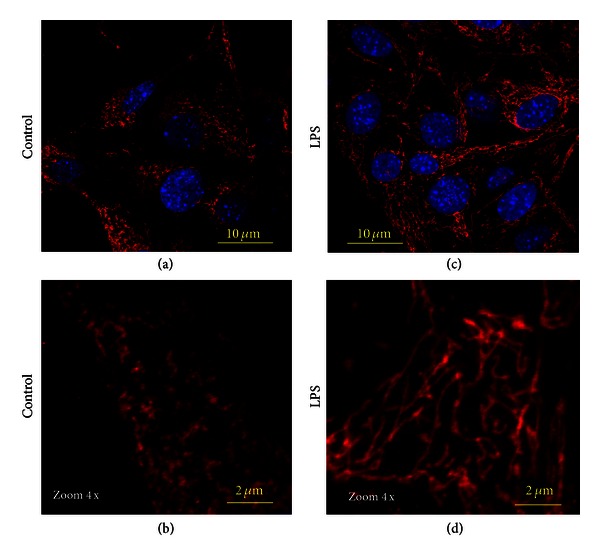
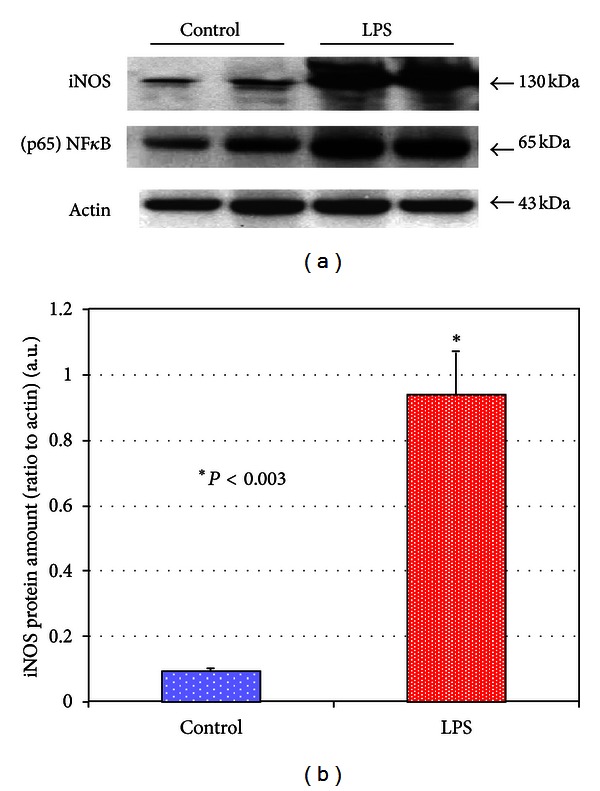
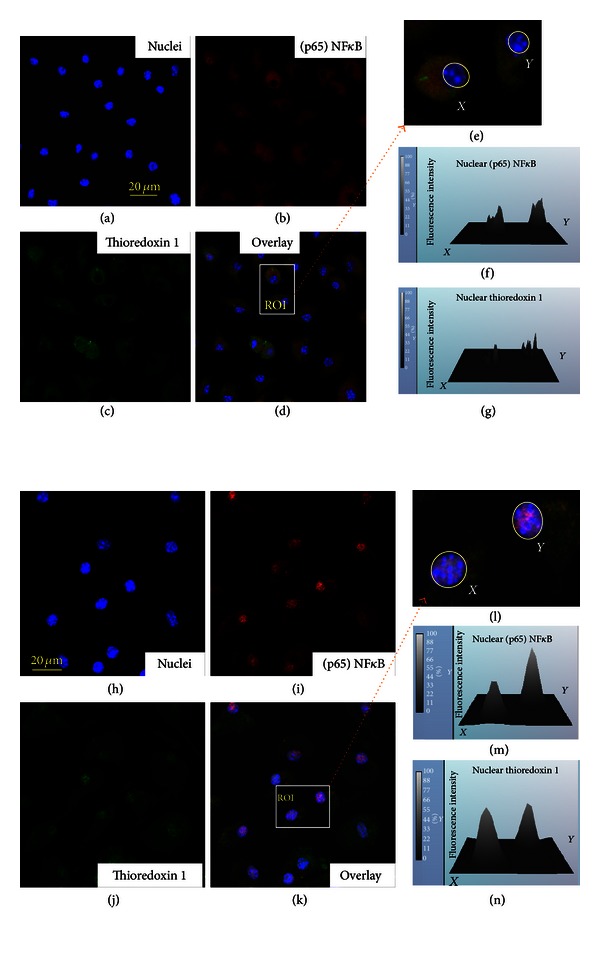
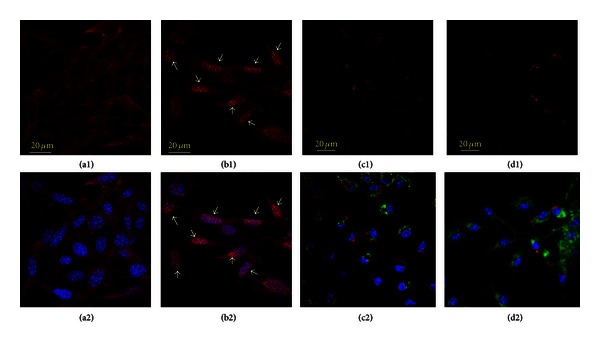
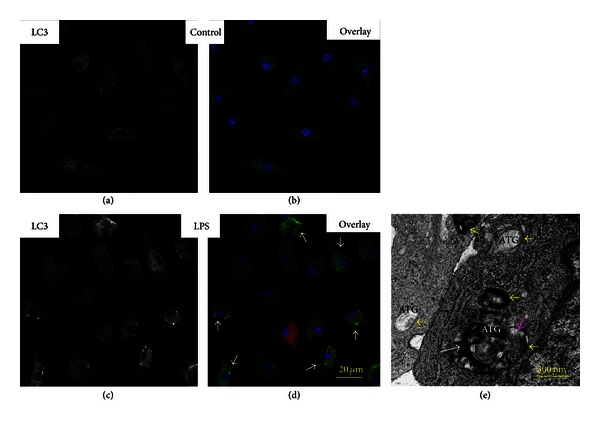
Acute bacterial inflammation is accompanied by excessive release of bacterial toxins and production of reactive oxygen and nitrogen species (ROS and RNS), which ultimately results in redox stress. These factors can induce damage to components of tissue barriers, including damage to ubiquitous mesenchymal stromal cells (MSCs), and thus can exacerbate the septic multiple organ dysfunctions. The mechanisms employed by MSCs in order to survive these stress conditions are still poorly understood and require clarification. In this report, we demonstrated that in vitro treatment of MSCs with lipopolysaccharide (LPS) induced inflammatory responses, which included, but not limited to, upregulation of iNOS and release of RNS and ROS. These events triggered in MSCs a cascade of responses driving adaptive remodeling and resistance to a "self-inflicted" oxidative stress. Thus, while MSCs displayed high levels of constitutively present adaptogens, for example, HSP70 and mitochondrial Sirt3, treatment with LPS induced a number of adaptive responses that included induction and nuclear translocation of redox response elements such as NFkB, TRX1, Ref1, Nrf2, FoxO3a, HO1, and activation of autophagy and mitochondrial remodeling. We propose that the above prosurvival pathways activated in MSCs in vitro could be a part of adaptive responses employed by stromal cells under septic conditions.
急性细菌性炎症伴随着细菌毒素的过度释放和活性氧和氮物种(ROS 和 RNS)的产生,最终导致氧化应激。这些因素可导致组织屏障成分受损,包括普遍存在的间充质基质细胞(MSCs)受损,从而加剧脓毒症多器官功能障碍。MSCs 为了在这些应激条件下生存而采用的机制仍知之甚少,需要阐明。在本报告中,我们证明了体外用脂多糖(LPS)处理 MSC 会诱导炎症反应,包括但不限于诱导 iNOS 表达和释放 RNS 和 ROS。这些事件引发了 MSC 中一系列适应性重塑和抵抗“自伤”氧化应激的反应级联。因此,尽管 MSC 具有高水平的固有适应原,例如 HSP70 和线粒体 Sirt3,但 LPS 处理诱导了许多适应性反应,包括诱导和核易位的氧化还原反应元件,如 NFkB、TRX1、Ref1、Nrf2、FoxO3a、HO1,并激活自噬和线粒体重塑。我们提出,体外 MSC 中激活的上述生存途径可能是基质细胞在脓毒症条件下采用的适应性反应的一部分。