Laboratory of Experimental Intensive Care and Anesthesiology, Academic Medical Center, Amsterdam, The Netherlands.
PLoS One. 2013 May 23;8(5):e63497. doi: 10.1371/journal.pone.0063497. Print 2013.
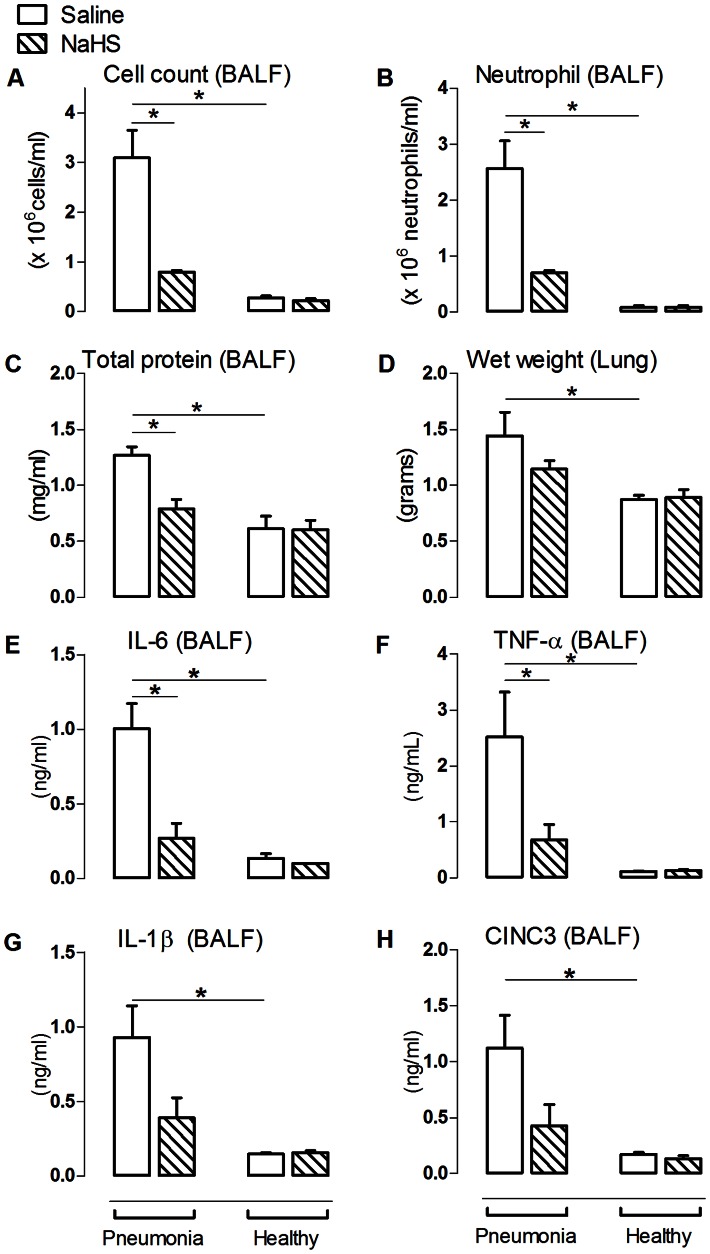
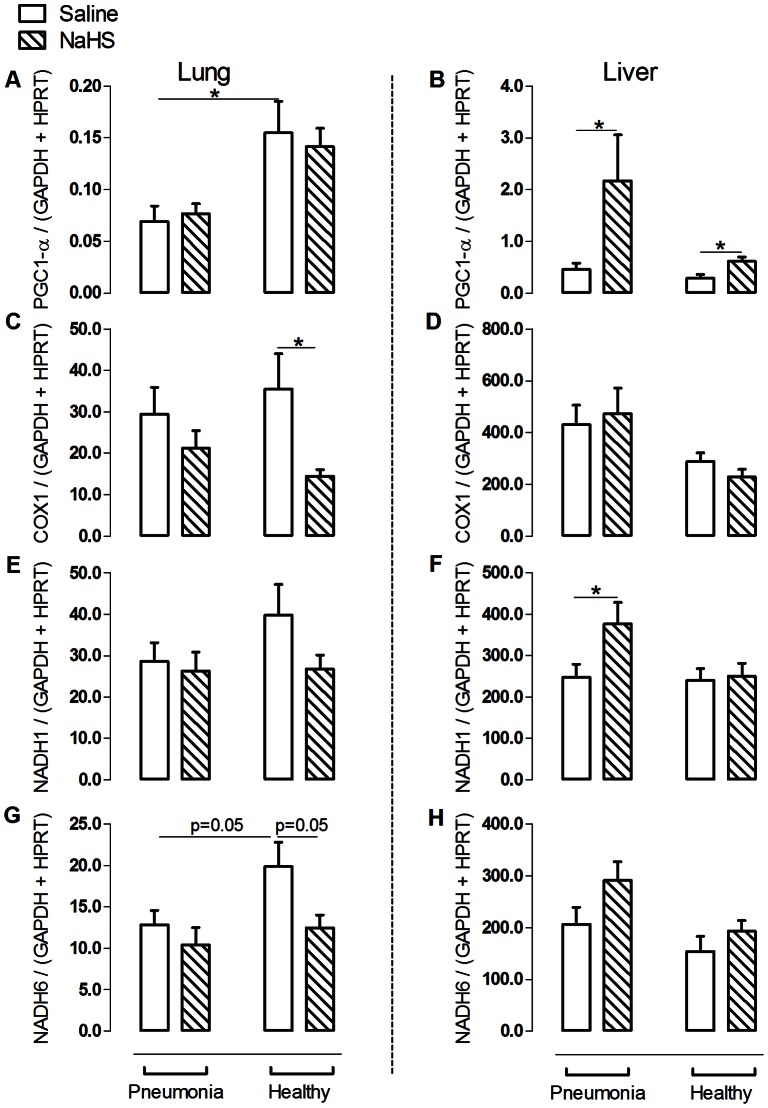
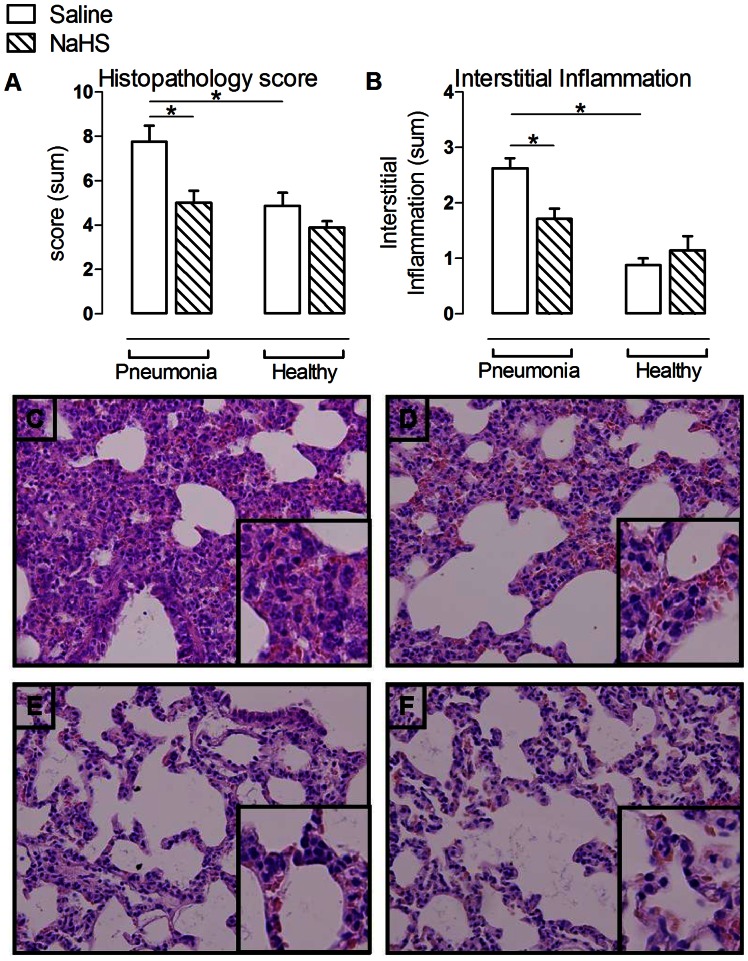
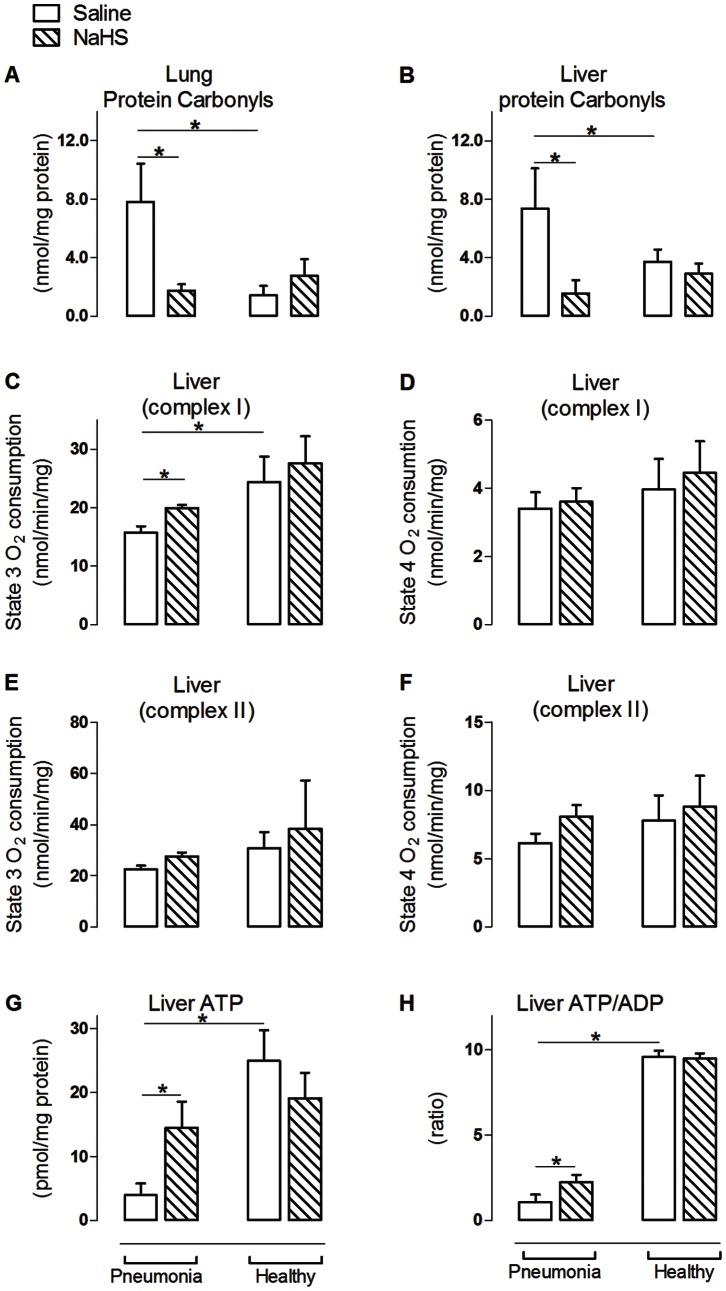
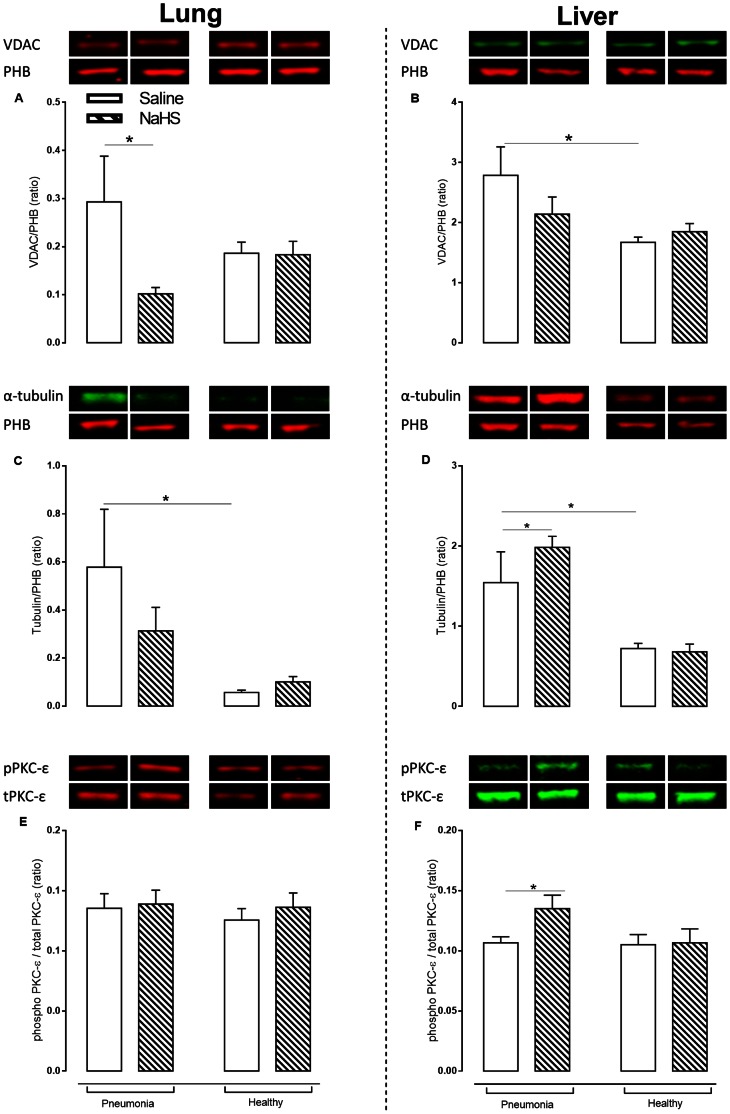
Sepsis is characterized by a generalized inflammatory response and organ failure, associated with mitochondrial dysfunction. Hydrogen sulfide donor NaHS has anti-inflammatory properties, is able to reduce metabolism and can preserve mitochondrial morphology and function. Rats were challenged with live Streptococcus pneumonia or saline and infused with NaHS (36 µmol/kg/h) or vehicle. Lung and kidney injury markers were measured as well as mitochondrial function, viability and biogenesis. Infusion of NaHS reduced heart rate and body temperature, indicative of a hypo-metabolic state. NaHS infusion reduced sepsis-related lung and kidney injury, while host defense remained intact, as reflected by unchanged bacterial outgrowth. The reduction in organ injury was associated with a reversal of a fall in active oxidative phosphorylation with a concomitant decrease in ATP levels and ATP/ADP ratio. Preservation of mitochondrial respiration was associated with increased mitochondrial expression of α-tubulin and protein kinase C-ε, which acts as regulators of respiration. Mitochondrial damage was decreased by NaHS, as suggested by a reduction in mitochondrial DNA leakage in the lung. Also, NaHS treatment was associated with upregulation of peroxisome proliferator-activated receptor-γ coactivator 1α, with a subsequent increase in transcription of mitochondrial respiratory subunits. These findings indicate that NaHS reduces organ injury in pneumosepsis, possibly via preservation of oxidative phosphorylation and thereby ATP synthesis as well as by promoting mitochondrial biogenesis. Further studies on the involvement of mitochondria in sepsis are required.
脓毒症的特征是全身性炎症反应和器官衰竭,伴有线粒体功能障碍。硫化氢供体硫氢化钠具有抗炎特性,能够降低新陈代谢,并且可以维持线粒体形态和功能。将大鼠用活肺炎链球菌或生理盐水攻击,并输注 NaHS(36µmol/kg/h)或载体。测量肺和肾脏损伤标志物以及线粒体功能、活力和生物发生。NaHS 输注降低心率和体温,表明代谢降低。NaHS 输注减少与脓毒症相关的肺和肾脏损伤,而宿主防御保持完整,因为细菌生长不变。器官损伤的减少与活性氧化磷酸化的下降逆转相关,伴随着 ATP 水平和 ATP/ADP 比值的降低。线粒体呼吸的维持与α-微管蛋白和蛋白激酶 C-ε的线粒体表达增加相关,后者作为呼吸的调节剂。NaHS 减少了线粒体 DNA 渗漏,提示线粒体损伤减少,这在肺部尤为明显。此外,NaHS 治疗与过氧化物酶体增殖物激活受体-γ共激活因子 1α的上调相关,随后线粒体呼吸亚基的转录增加。这些发现表明,NaHS 通过维持氧化磷酸化和因此的 ATP 合成以及促进线粒体生物发生来减少肺炎性脓毒症中的器官损伤。需要进一步研究线粒体在脓毒症中的作用。