Section of Digestive Diseases, Department of Internal Medicine, Yale University School of Medicine, New Haven, Connecticut, USA.
Compr Physiol. 2013 Jan;3(1):515-39. doi: 10.1002/cphy.c120013.
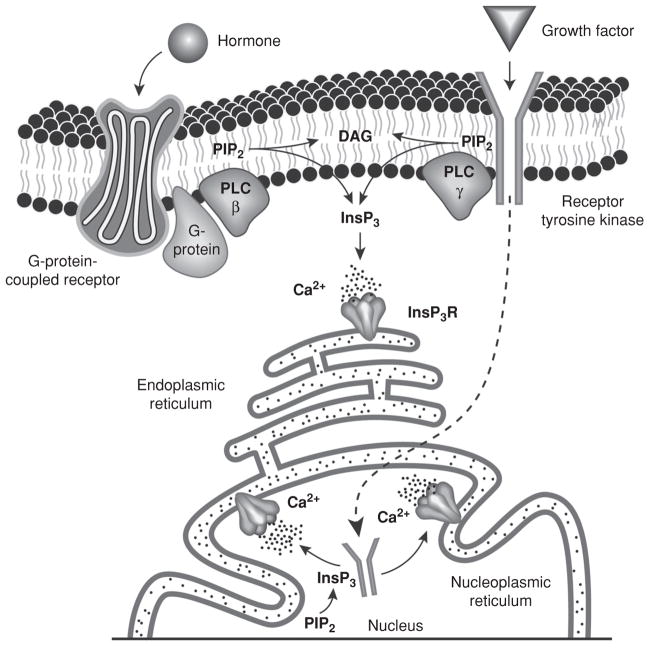
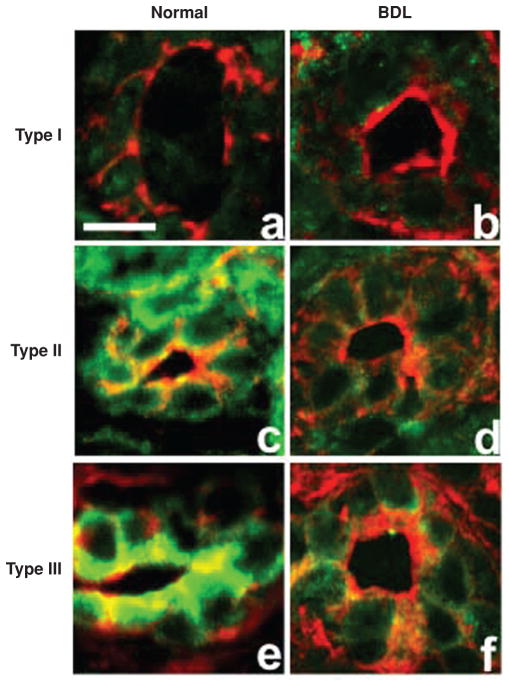
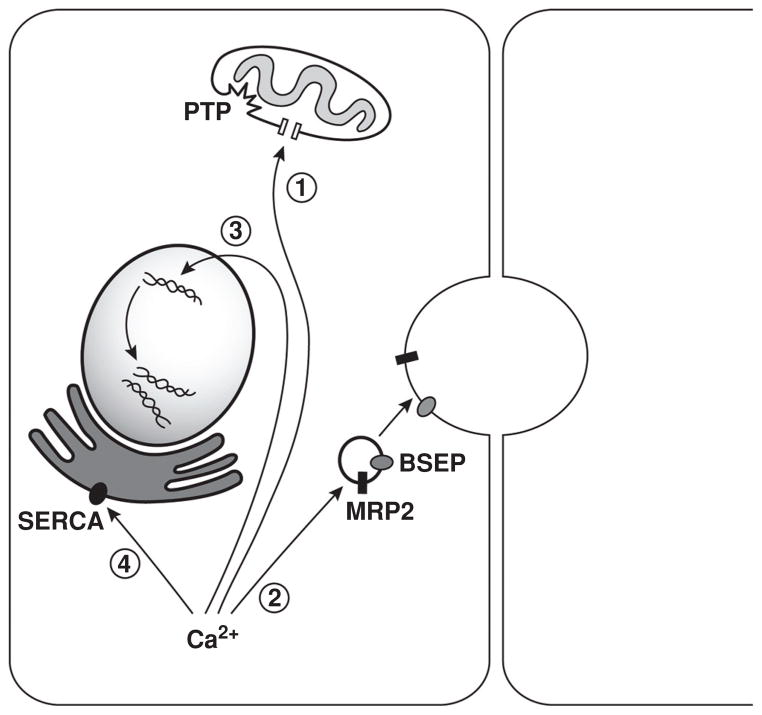
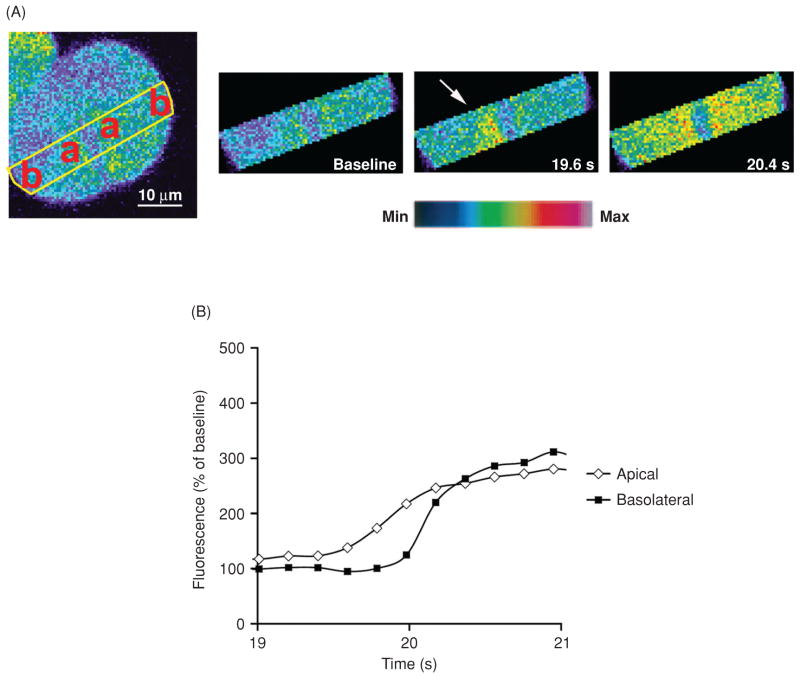
Intracellular free Ca(2+) ([Ca(2+)]i) is a highly versatile second messenger that regulates a wide range of functions in every type of cell and tissue. To achieve this versatility, the Ca(2+) signaling system operates in a variety of ways to regulate cellular processes that function over a wide dynamic range. This is particularly well exemplified for Ca(2+) signals in the liver, which modulate diverse and specialized functions such as bile secretion, glucose metabolism, cell proliferation, and apoptosis. These Ca(2+) signals are organized to control distinct cellular processes through tight spatial and temporal coordination of [Ca(2+)]i signals, both within and between cells. This article will review the machinery responsible for the formation of Ca(2+) signals in the liver, the types of subcellular, cellular, and intercellular signals that occur, the physiological role of Ca(2+) signaling in the liver, and the role of Ca(2+) signaling in liver disease.
细胞内游离钙([Ca (2+)] i )是一种用途广泛的第二信使,可调节每种类型的细胞和组织中的广泛功能。为了实现这种多功能性,钙信号系统以多种方式运作,以调节在广泛动态范围内发挥作用的细胞过程。这在肝脏中的钙信号中表现得尤为明显,肝脏中的钙信号调节着各种特殊功能,如胆汁分泌、葡萄糖代谢、细胞增殖和细胞凋亡。这些钙信号通过在细胞内和细胞之间紧密的空间和时间协调来控制不同的细胞过程。本文将回顾肝脏中钙信号形成的机制、发生的亚细胞、细胞和细胞间信号的类型、钙信号在肝脏中的生理作用以及钙信号在肝脏疾病中的作用。