Foreign Animal Disease Research Unit, United States Department of Agriculture, Plum Island Animal Disease Research Center, Orient Point, New York, United States of America.
PLoS One. 2013 May 28;8(5):e64119. doi: 10.1371/journal.pone.0064119. Print 2013.
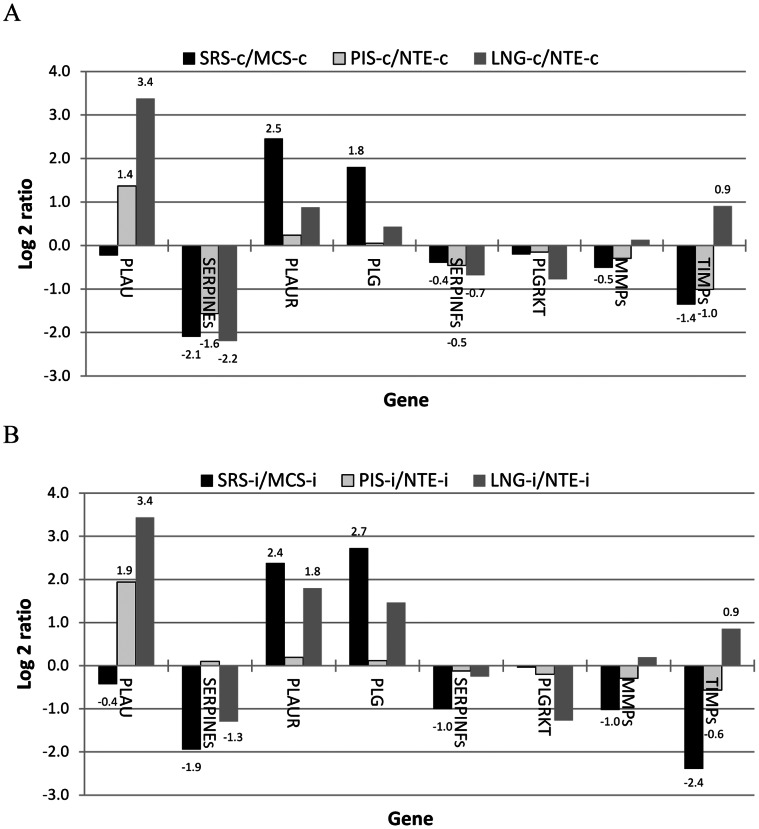
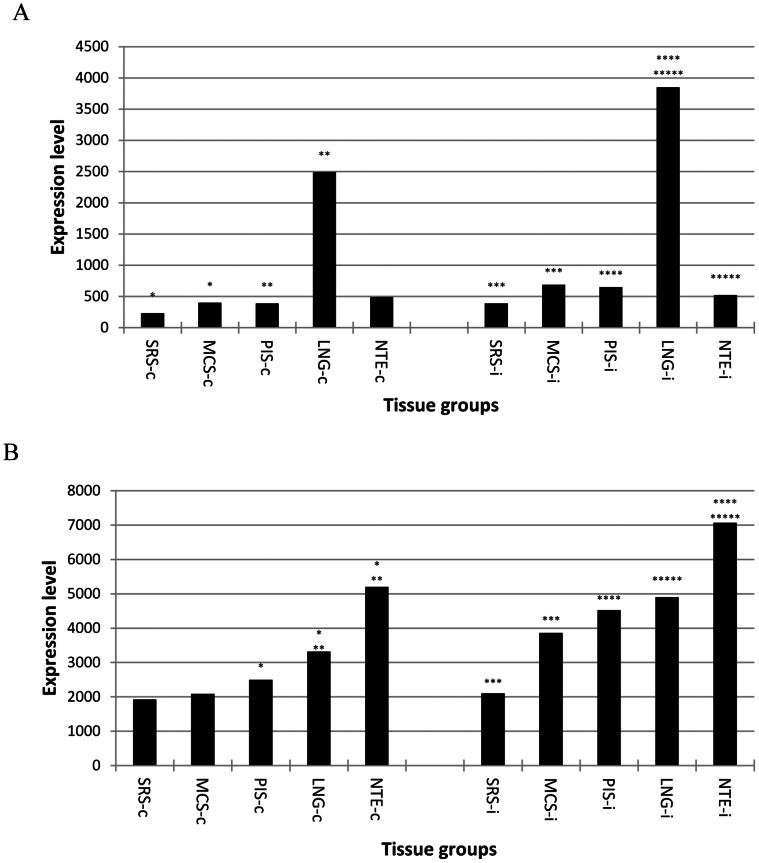
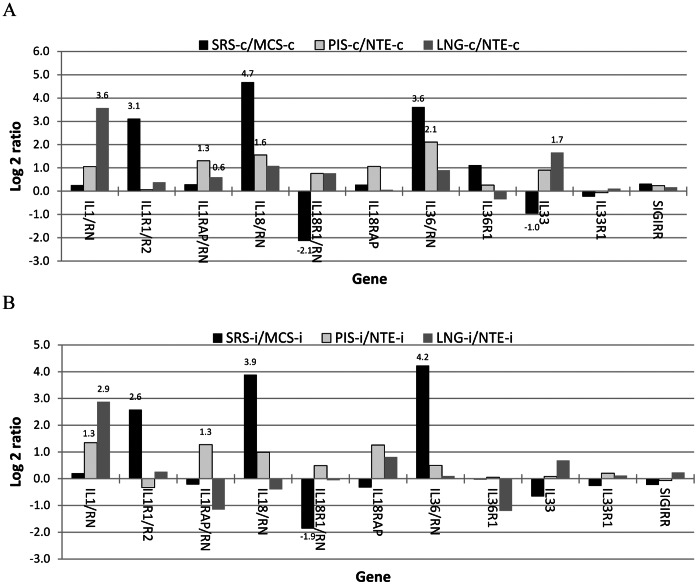
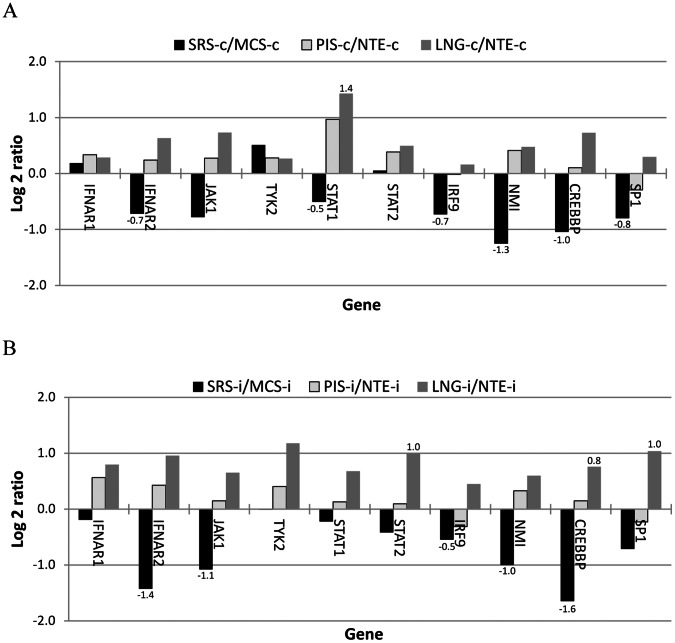
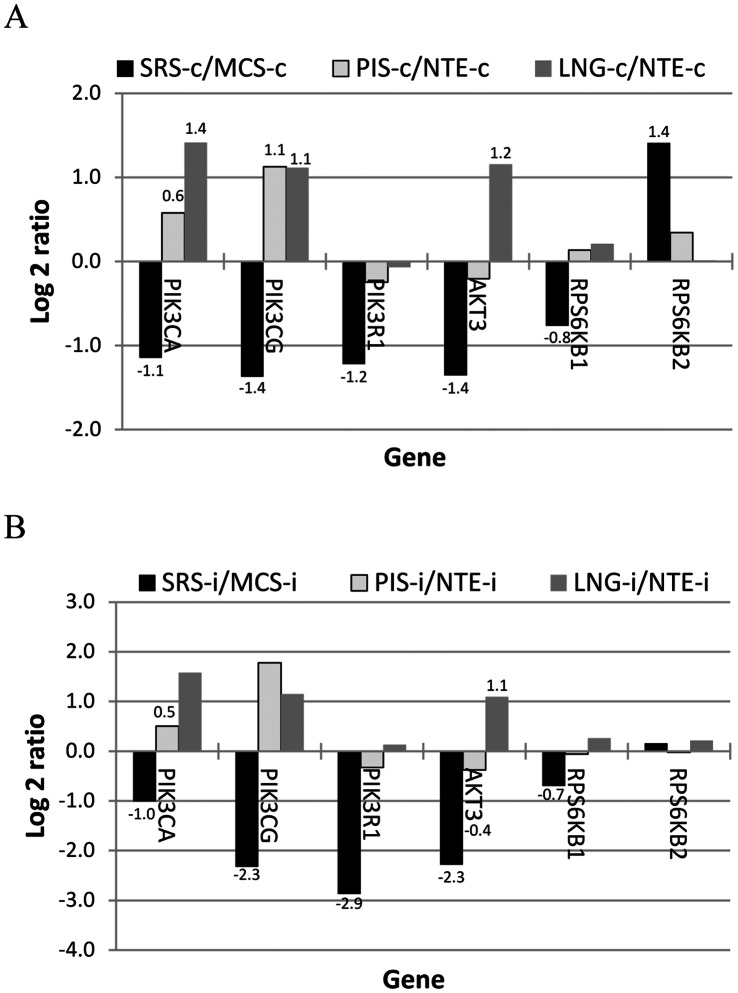
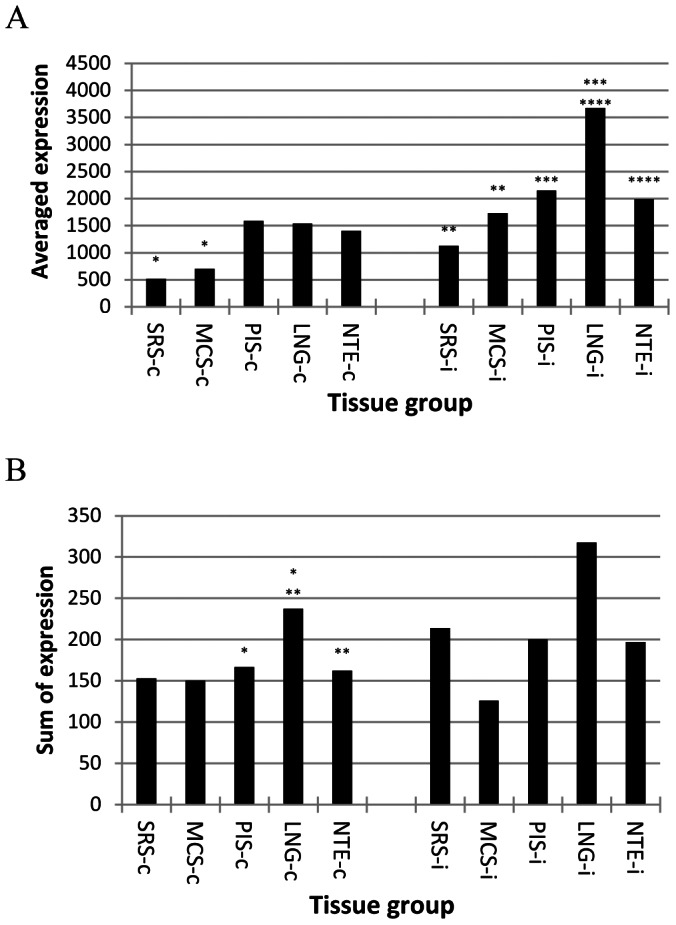
Foot-and-mouth disease virus (FMDV) targets specific tissues for primary infection, secondary high-titer replication (e.g. foot and mouth where it causes typical vesicular lesions) and long-term persistence at some primary replication sites. Although integrin αVβ6 receptor has been identified as primary FMDV receptors in animals, their tissue distribution alone fails to explain these highly selective tropism-driven events. Thus, other molecular mechanisms must play roles in determining this tissue specificity. We hypothesized that differences in certain biological activities due to differential gene expression determine FMDV tropism and applied whole genome gene expression profiling to identify genes differentially expressed between FMDV-targeted and non-targeted tissues in terms of supporting primary infection, secondary replication including vesicular lesions, and persistence. Using statistical and bioinformatic tools to analyze the differential gene expression, we identified mechanisms that could explain FMDV tissue tropism based on its association with differential expression of integrin αVβ6 heterodimeric receptor (FMDV receptor), fibronectin (ligand of the receptor), IL-1 cytokines, death receptors and the ligands, and multiple genes in the biological pathways involved in extracellular matrix turnover and interferon signaling found in this study. Our results together with reported findings indicate that differences in (1) FMDV receptor availability and accessibility, (2) type I interferon-inducible immune response, and (3) ability to clear virus infected cells via death receptor signaling play roles in determining FMDV tissue tropism and the additional increase of high extracellular matrix turnover induced by FMDV infection, likely via triggering the signaling of highly expressed IL-1 cytokines, play a key role in the pathogenesis of vesicular lesions.
口蹄疫病毒(FMDV)针对特定组织进行原发性感染、二次高滴度复制(例如在口腔和蹄部引起典型的水疱病变)以及在一些原发性复制部位的长期持续存在。尽管整合素αVβ6 受体已被鉴定为动物中的主要 FMDV 受体,但仅其组织分布并不能解释这种高度选择性的嗜性驱动事件。因此,其他分子机制必须在决定这种组织特异性方面发挥作用。我们假设,由于差异表达导致的某些生物学活性的差异决定了 FMDV 的嗜性,因此应用全基因组基因表达谱分析来识别在支持原发性感染、二次复制(包括水疱病变)和持久性方面在 FMDV 靶向组织和非靶向组织之间差异表达的基因。我们使用统计和生物信息学工具来分析差异基因表达,确定了可以解释 FMDV 组织嗜性的机制,这是基于其与整合素αVβ6 异二聚体受体(FMDV 受体)、纤维连接蛋白(受体配体)、IL-1 细胞因子、死亡受体及其配体以及细胞外基质周转和干扰素信号转导相关的生物学途径中的多个基因的差异表达的关联。我们的研究结果与已报道的发现一起表明,FMDV 受体的可用性和可及性、I 型干扰素诱导的免疫反应以及通过死亡受体信号清除感染病毒的细胞的能力的差异在决定 FMDV 组织嗜性以及 FMDV 感染引起的高细胞外基质周转增加方面发挥作用,这可能是通过触发高表达的 IL-1 细胞因子的信号转导,在水疱病变的发病机制中发挥关键作用。