Rajpal Deshmukh Gajanan, Hema Kumar Kuntrapakam, Suresh Reddy Poojari Venkata, Srinivasa Rao Boddapati, Venkata Satish Kumar Chirumamilla
Toxicology, Aptus Biosciences Private Limited, SVS Medical College Campus, Yenugonda, Andhra Pradesh, Mahabubnagar 509 002, India.
ISRN Toxicol. 2012 Jan 31;2012:693489. doi: 10.5402/2012/693489. Print 2012.
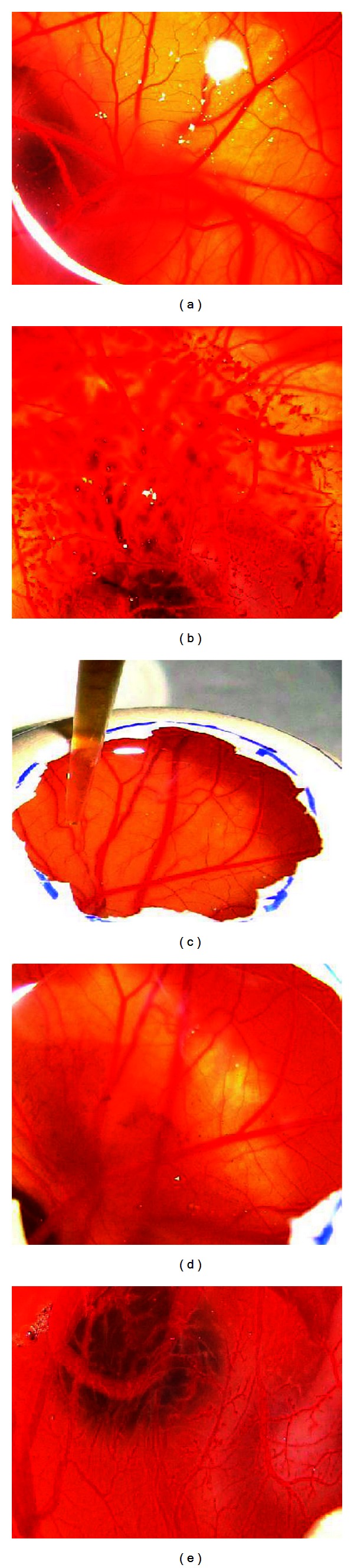
The present paper is an attempt to investigate the eye irritation potential of aqueous leaf extract of Achyranthes aspera by in vitro, Hen's Egg Chorioallantoic Membrane Test (HET-CAM) and in vivo acute eye irritation test in rabbits. The irritation score (IS) obtained after treatment of the extract on HET-CAM is 0.07 and that of in rabbits is 0.55, Which does not comes under either category 1 or 2 as per the harmonized integrated classification system. The aqueous extract of Achyranthes aspera showed no eye irritation properties both in vitro and in vivo methods when compared with negative control whereas positive controls showed eye irritation potential.
本文旨在通过体外鸡胚绒毛尿囊膜试验(HET-CAM)和家兔体内急性眼刺激试验,研究牛膝草水提物的眼刺激潜力。提取物处理后在HET-CAM上获得的刺激评分(IS)为0.07,家兔体内的刺激评分为0.55,根据协调统一分类系统,这两种情况均不属于1类或2类。与阴性对照相比,牛膝草水提物在体外和体内方法中均未表现出眼刺激特性,而阳性对照则表现出眼刺激潜力。