Choi Ji-Yei, Kang Jung-Taek, Park Sol-Ji, Kim Su-Jin, Moon Joon-Ho, Saadeldin Islam M, Jang Goo, Lee Byeong-Chun
Department of Theriogenology and Biotechnology, College of Veterinary Medicine, Seoul National University, Seoul 151-742, Korea.
J Reprod Dev. 2013 Oct;59(5):450-6. doi: 10.1262/jrd.2012-134. Epub 2013 Jun 8.
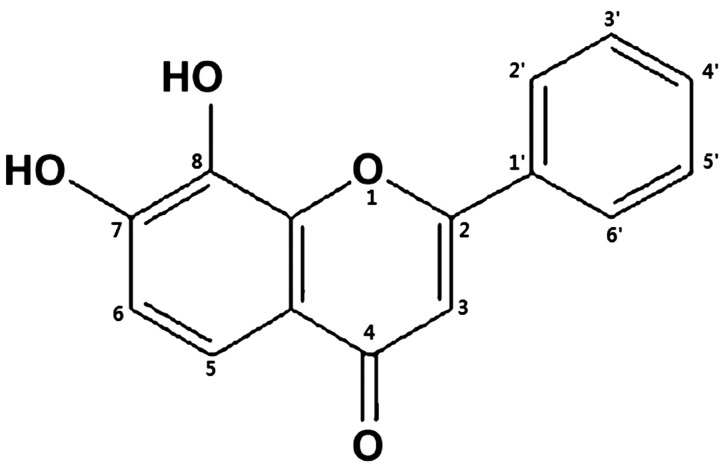
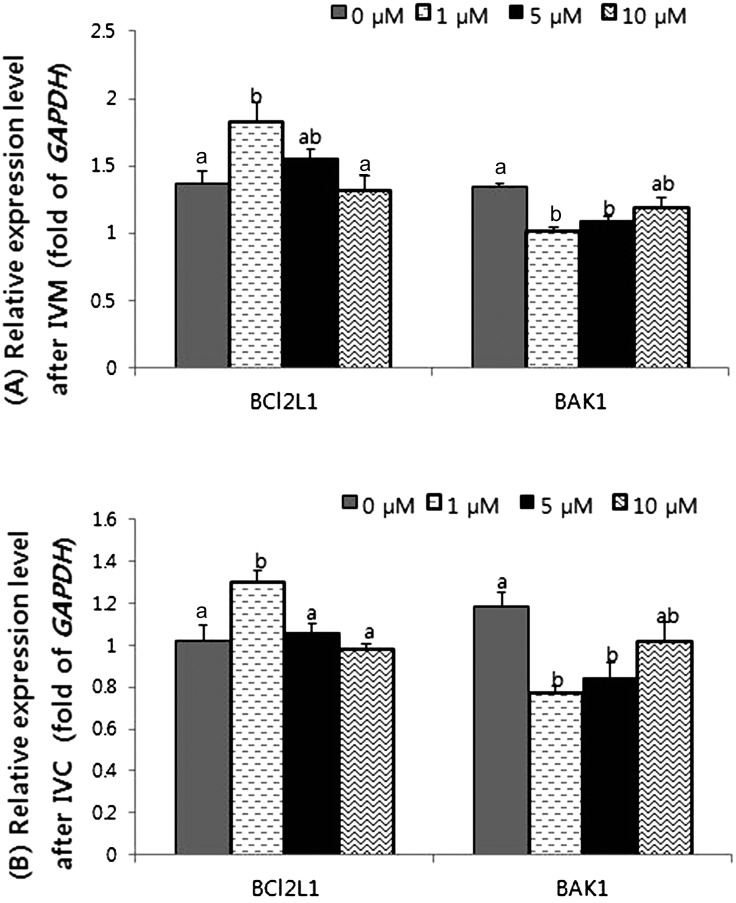
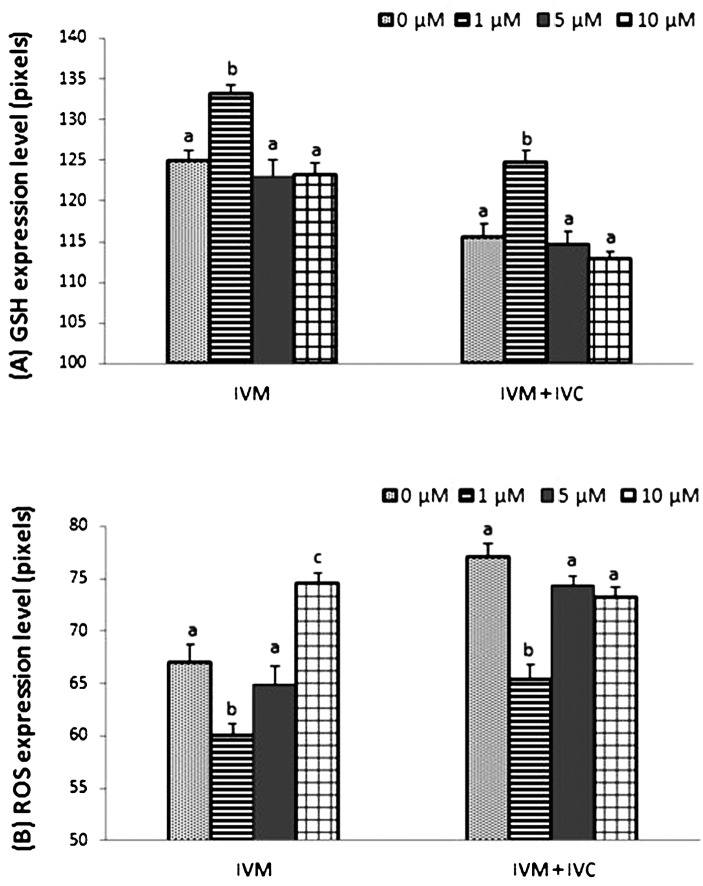
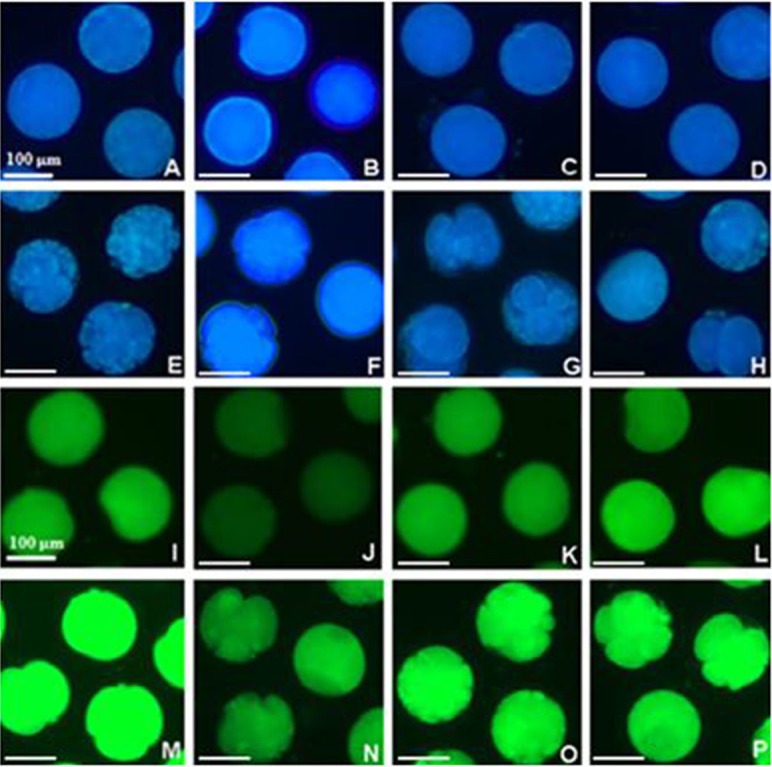
One of the factors that impairs in vitro produced porcine embryos is the oxidative stress that is mainly caused by the imbalance between reactive oxygen species (ROS) generation and antioxidants activity, especially that of glutathione (GSH). Here, we examined the effect of 7,8-dihydroxyflavone (7,8-DHF), a kind of flavonoid antioxidant, on porcine oocyte maturation and its developmental competence. Porcine oocytes were cultured in media supplemented with 0, 1, 5 and 10 μM 7,8-DHF during both in vitro maturation (IVM) and in vitro culture (IVC) after parthenogenetic activation. Maturation of oocytes was evaluated based on first polar body (PB) extrusion and intracellular GSH level, and developmental competence was assessed through observing cleavage and blastocyst formation. In each step, the levels of intracellular GSH and ROS were assessed by fluorescence intensity, and the apoptosis-related gene expression was examined using semiquantitative RT-PCR. The group treated with 1 μM 7,8-DHF during IVM and IVC showed increased cytoplasmic maturation and reached the blastocysts stage (36.1%) at a higher rate than the other groups (24.7, 16.0 and 10.3% for 0, 5 and 10 μM, P<0.05). In that group, the intracellular GSH level was significantly increased while ROS generation was significantly decreased after IVM and IVC (P<0.05). Moreover, it showed high expression of an anti-apoptotic gene (BCL2L1) and low expression of a pro-apoptotic gene (BAK1) (P<0.05). In conclusion, treatment with 1 μM 7,8-DHF during IVM and IVC showed an anti-apoptotic effect by increasing intracellular GSH synthesis and scavenging ROS and therefore improved the developmental competence of porcine embryos.
损害体外生产的猪胚胎的因素之一是氧化应激,其主要由活性氧(ROS)生成与抗氧化剂活性之间的失衡引起,尤其是谷胱甘肽(GSH)的活性。在此,我们研究了一种类黄酮抗氧化剂7,8-二羟基黄酮(7,8-DHF)对猪卵母细胞成熟及其发育能力的影响。猪卵母细胞在孤雌激活后的体外成熟(IVM)和体外培养(IVC)过程中,在添加了0、1、5和10μM 7,8-DHF的培养基中培养。基于第一极体(PB)排出和细胞内GSH水平评估卵母细胞的成熟情况,并通过观察卵裂和囊胚形成来评估发育能力。在每个步骤中,通过荧光强度评估细胞内GSH和ROS的水平,并使用半定量RT-PCR检测凋亡相关基因的表达。在IVM和IVC期间用1μM 7,8-DHF处理的组显示细胞质成熟增加,并且达到囊胚阶段的比例(36.1%)高于其他组(0、5和10μM组分别为24.7%、16.0%和10.3%,P<0.05)。在该组中,IVM和IVC后细胞内GSH水平显著升高,而ROS生成显著降低(P<0.05)。此外,它显示抗凋亡基因(BCL2L1)高表达,促凋亡基因(BAK1)低表达(P<0.05)。总之,在IVM和IVC期间用1μM 7,8-DHF处理通过增加细胞内GSH合成和清除ROS显示出抗凋亡作用,因此提高了猪胚胎的发育能力。