Physical Sciences Platform, Sunnybrook Research Institute Toronto, ON, Canada ; Heart and Stroke Foundation Centre for Stroke Recovery, Sunnybrook Research Institute Toronto, ON, Canada ; Department of Medical Biophysics, University of Toronto Toronto, ON, Canada.
Front Neurol. 2013 May 27;4:60. doi: 10.3389/fneur.2013.00060. eCollection 2013.
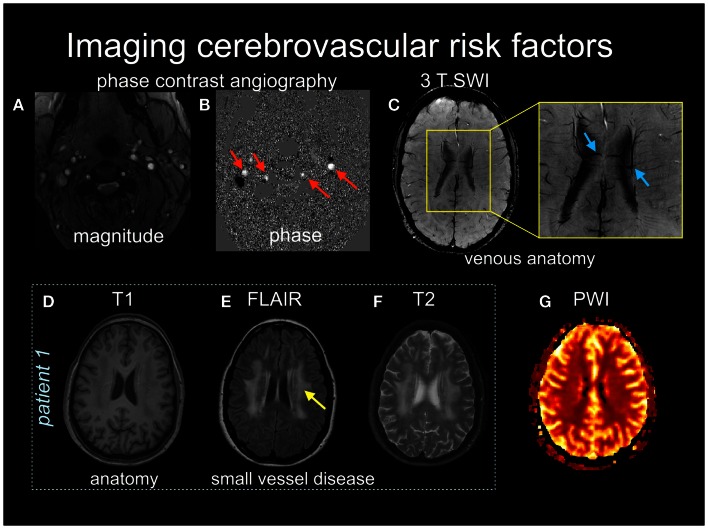
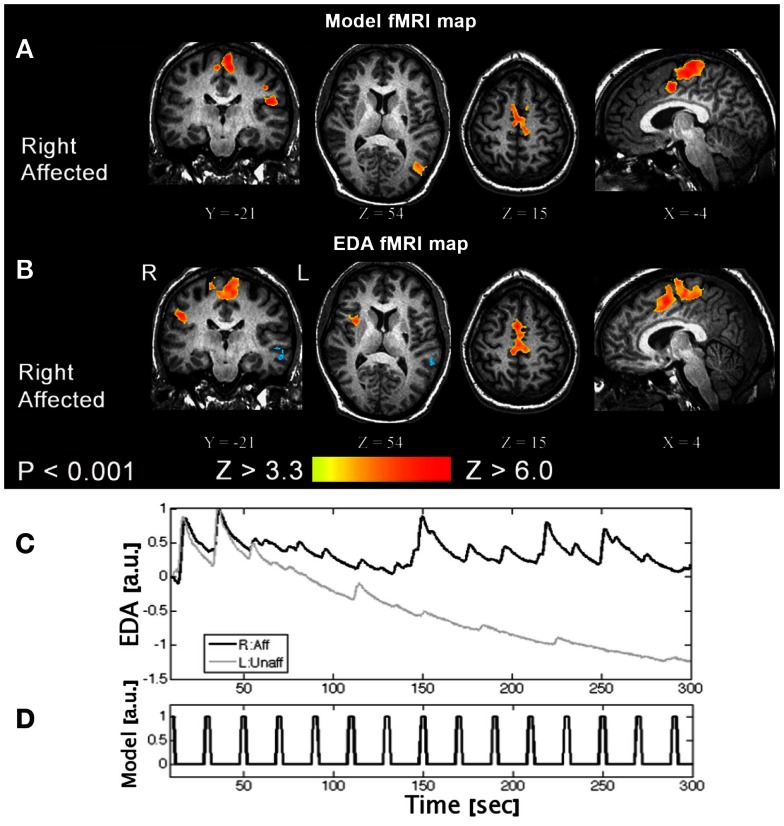
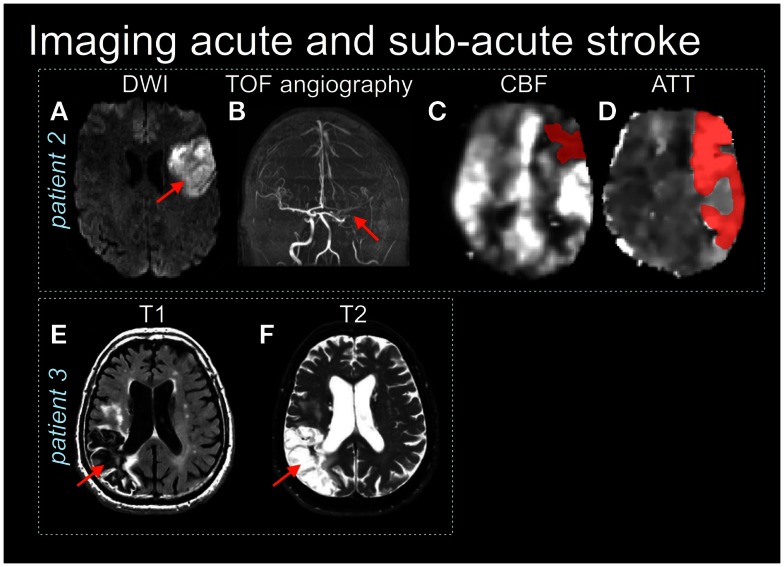
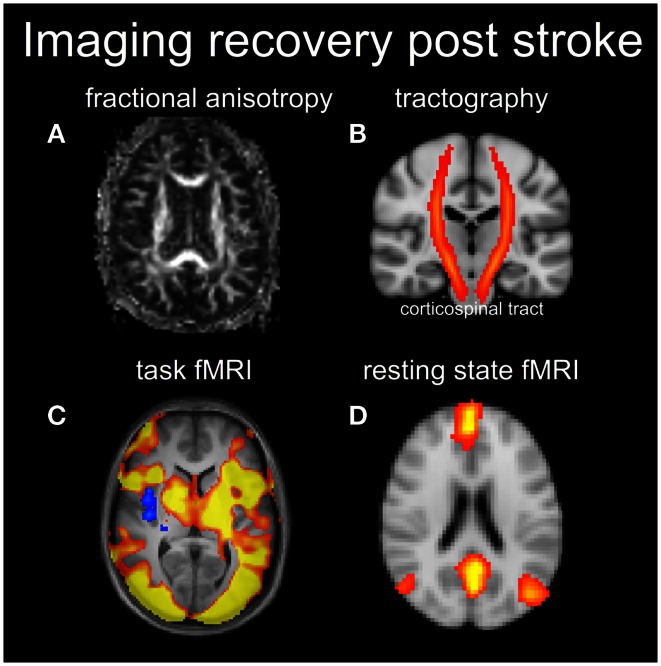
The global burden of stroke continues to grow. Although stroke prevention strategies (e.g., medications, diet, and exercise) can contribute to risk reduction, options for acute interventions (e.g., thrombolytic therapy for ischemic stroke) are limited to the minority of patients. The remaining patients are often left with profound neurological disabilities that substantially impact quality of life, economic productivity, and increase caregiver burden. In the last decade, however, the future outlook for such patients has been tempered by movement toward the view that the brain is capable of reorganizing after injury. Many now view brain recovery after stroke as an area of scientific research with large potential for therapeutic advances, far into the future (Broderick and William, 2004). As a probe of brain anatomy, function and physiology, magnetic resonance imaging (MRI) is a non-invasive and highly versatile modality that promises to play a particularly important role in such research. Here we provide a basic review of MRI physical principles and applications for assessing stroke, looking toward the future role MRI may play in improving stroke rehabilitation methods and stroke recovery.
全球范围内,中风的负担持续增加。尽管中风预防策略(如药物、饮食和运动)可以有助于降低风险,但急性干预(如缺血性中风的溶栓治疗)的选择仅限于少数患者。其余的患者往往会留下严重的神经功能障碍,这极大地影响了生活质量、经济生产力,并增加了照顾者的负担。然而,在过去的十年中,由于人们越来越认为大脑在受伤后具有重组的能力,这种患者的未来前景有所改变。许多人现在认为中风后的大脑恢复是一个具有巨大治疗潜力的科学研究领域,可以在未来很长一段时间内取得进展(Broderick 和 William,2004)。作为对大脑解剖、功能和生理学的探测,磁共振成像(MRI)是一种非侵入性且功能多样的方式,有望在这类研究中发挥特别重要的作用。在这里,我们提供了一个基本的 MRI 物理原理和应用的综述,用于评估中风,并展望 MRI 在改善中风康复方法和中风恢复方面可能发挥的作用。