Tugnet Nicola, Rylance Paul, Roden Denise, Trela Malgorzata, Nelson Paul
Department of Rheumatology, Royal Wolverhampton Hospitals NHS Trust, Wolverhampton, UK.
Open Rheumatol J. 2013 Mar 22;7:13-21. doi: 10.2174/1874312901307010013. Print 2013.
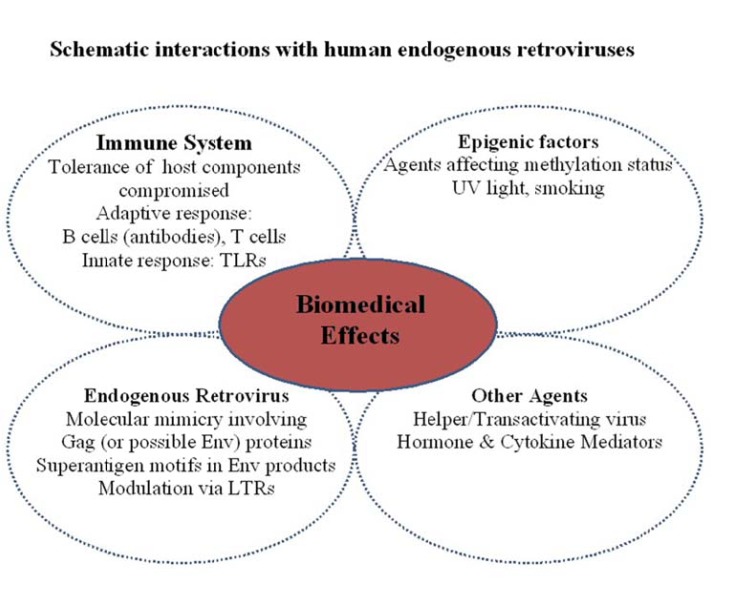
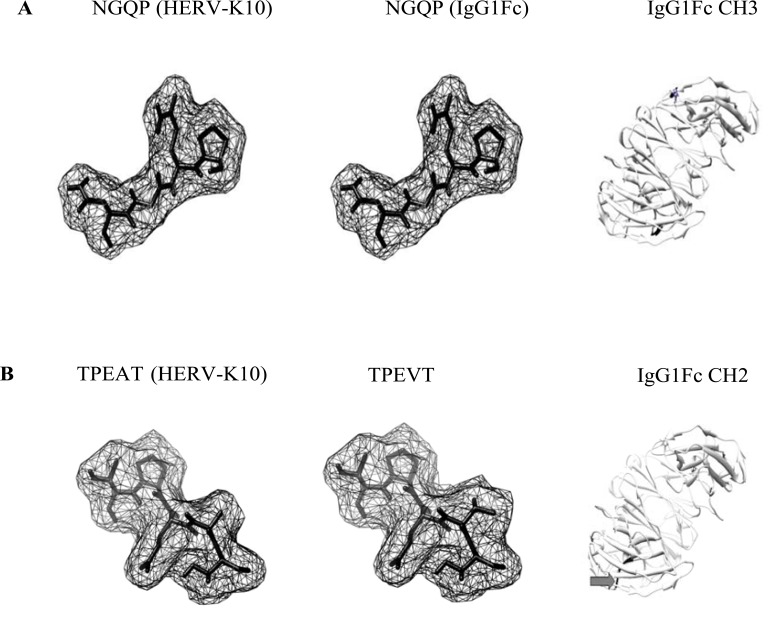
Autoimmune rheumatic diseases, such as RA and SLE, are caused by genetic, hormonal and environmental factors. Human Endogenous Retroviruses (HERVs) may be triggers of autoimmune rheumatic disease. HERVs are fossil viruses that began to be integrated into the human genome some 30-40 million years ago and now make up 8% of the genome. Evidence suggests HERVs may cause RA and SLE, among other rheumatic diseases. The key mechanisms by which HERVS are postulated to cause disease include molecular mimicry and immune dysregulation. Identification of HERVs in RA and SLE could lead to novel treatments for these chronic conditions. This review summarises the evidence for HERVs as contributors to autoimmune rheumatic disease and the clinical implications and mechanisms of pathogenesis are discussed.
自身免疫性风湿性疾病,如类风湿关节炎(RA)和系统性红斑狼疮(SLE),是由遗传、激素和环境因素引起的。人类内源性逆转录病毒(HERVs)可能是自身免疫性风湿性疾病的触发因素。HERVs是化石病毒,大约在3000万至4000万年前开始整合到人类基因组中,现在占基因组的8%。有证据表明,HERVs可能导致RA和SLE以及其他风湿性疾病。HERVs被假定导致疾病的关键机制包括分子模拟和免疫失调。在RA和SLE中鉴定HERVs可能会为这些慢性病带来新的治疗方法。本综述总结了HERVs作为自身免疫性风湿性疾病病因的证据,并讨论了其临床意义和发病机制。