The Gurdon Institute and Department of Physiology, Development and Neuroscience, University of Cambridge, Tennis Court Road, Cambridge CB2 1QN, UK.
Dev Cell. 2013 Jul 15;26(1):101-12. doi: 10.1016/j.devcel.2013.05.020. Epub 2013 Jun 20.
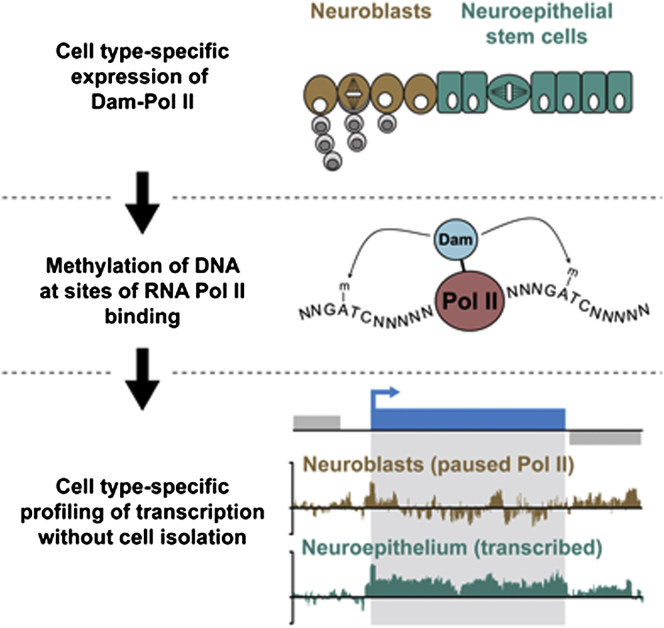
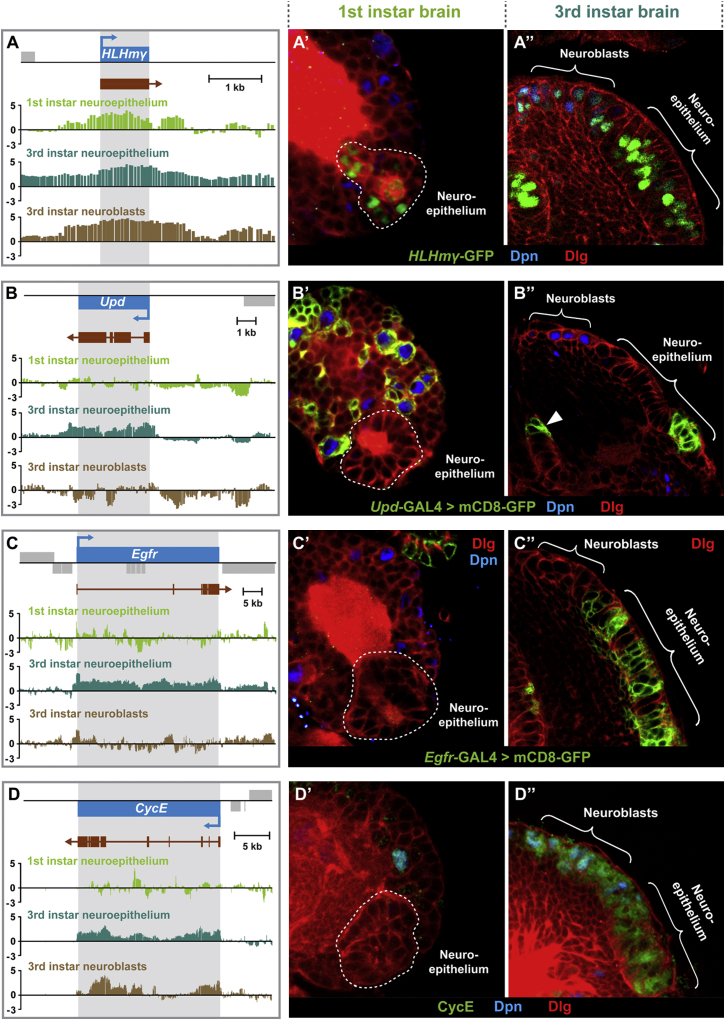
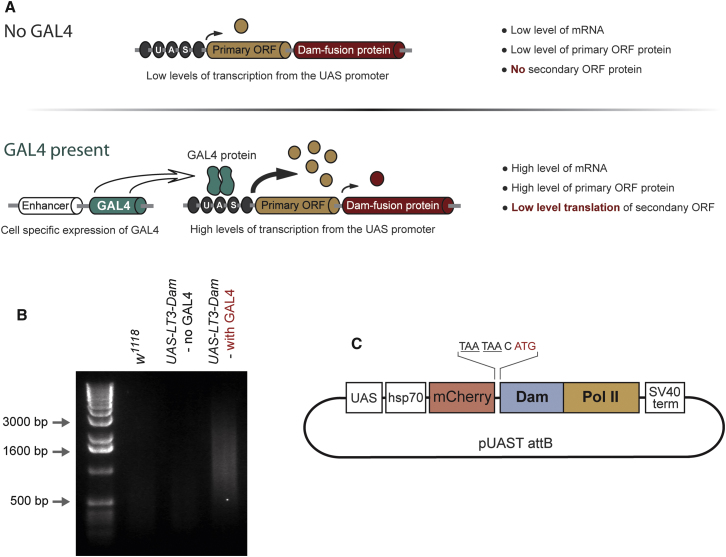
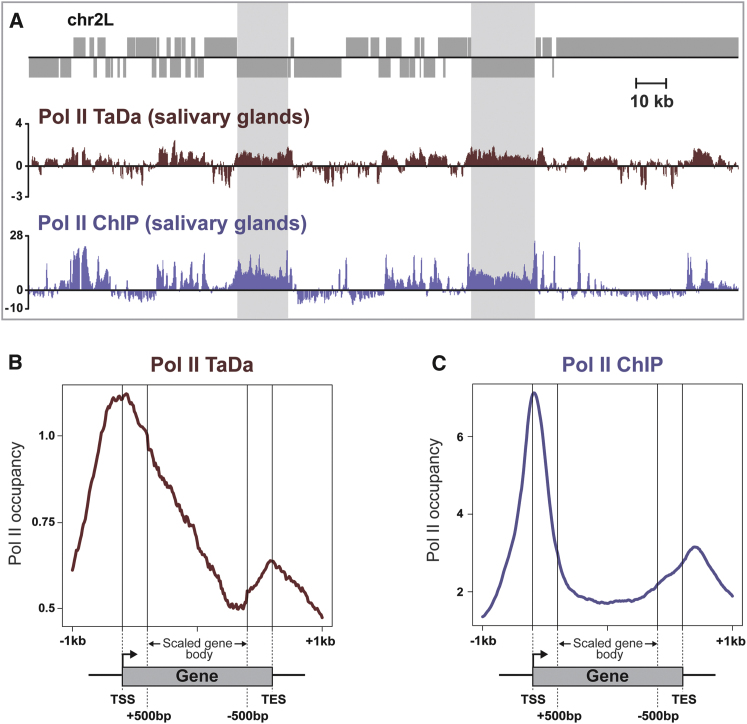
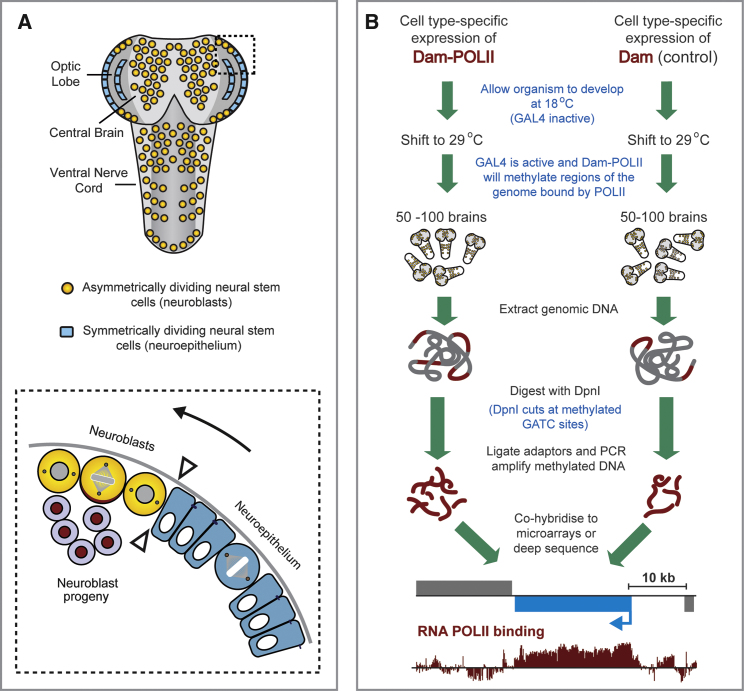
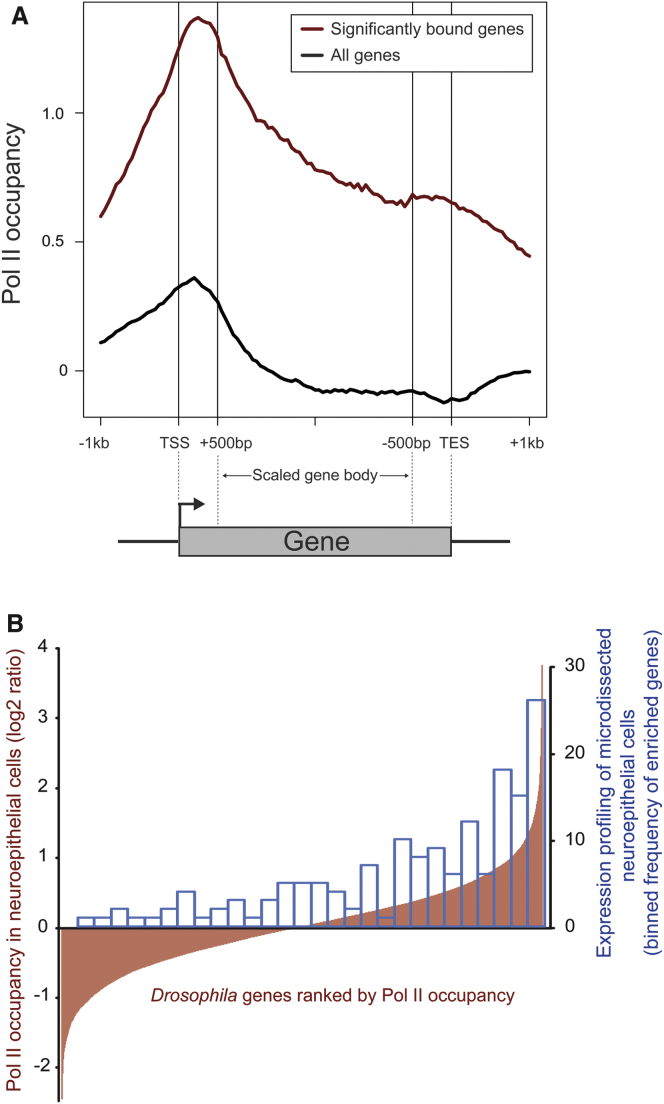
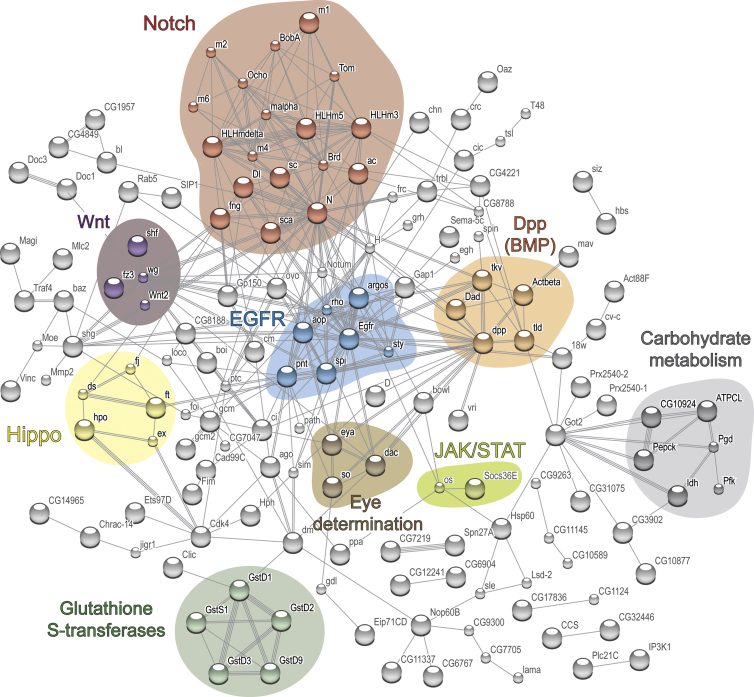
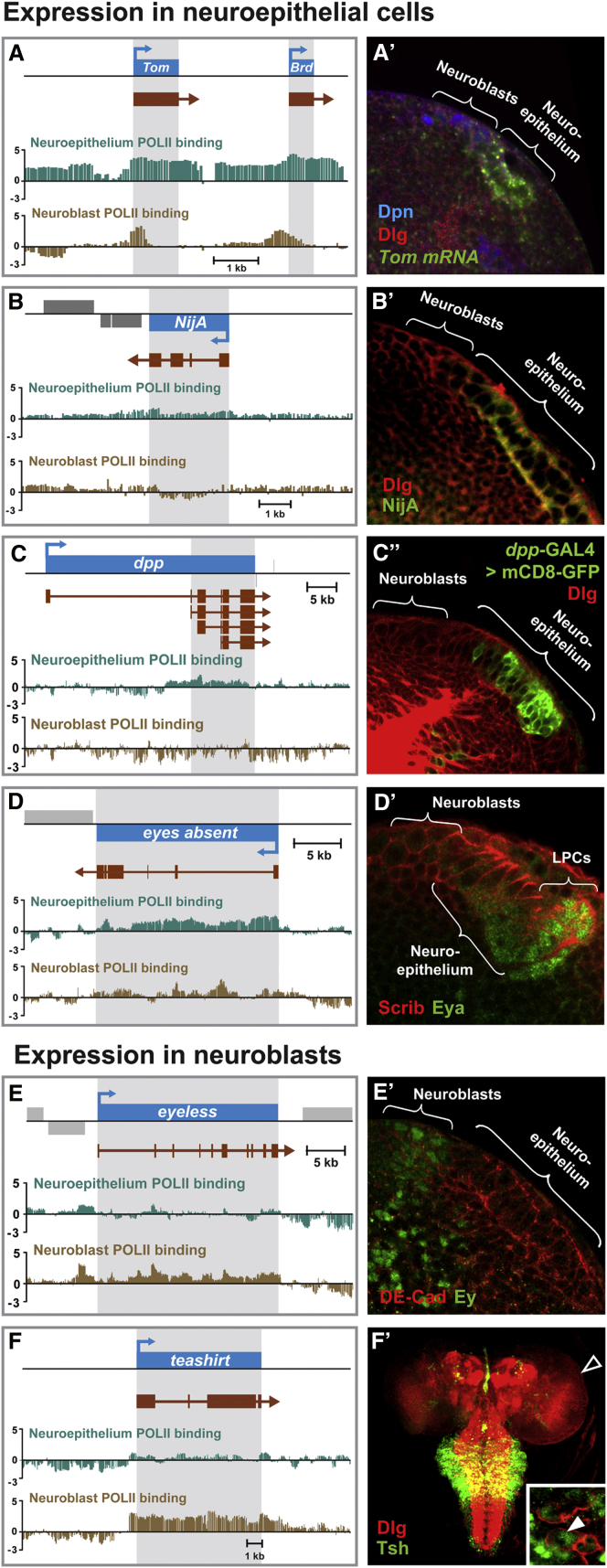
Cell-type-specific transcriptional profiling often requires the isolation of specific cell types from complex tissues. We have developed "TaDa," a technique that enables cell-specific profiling without cell isolation. TaDa permits genome-wide profiling of DNA- or chromatin-binding proteins without cell sorting, fixation, or affinity purification. The method is simple, sensitive, highly reproducible, and transferable to any model system. We show that TaDa can be used to identify transcribed genes in a cell-type-specific manner with considerable temporal precision, enabling the identification of differential gene expression between neuroblasts and the neuroepithelial cells from which they derive. We profile the genome-wide binding of RNA polymerase II in these adjacent, clonally related stem cells within intact Drosophila brains. Our data reveal expression of specific metabolic genes in neuroepithelial cells, but not in neuroblasts, and highlight gene regulatory networks that may pattern neural stem cell fates.
细胞类型特异性转录谱分析通常需要从复杂组织中分离特定的细胞类型。我们开发了一种名为“TaDa”的技术,它可以在不进行细胞分离的情况下实现细胞特异性分析。TaDa 允许在不进行细胞分选、固定或亲和纯化的情况下,对 DNA 或染色质结合蛋白进行全基因组分析。该方法简单、灵敏、高度可重复,并且可转移到任何模型系统。我们表明,TaDa 可以用于以细胞类型特异性的方式识别转录基因,具有相当高的时间精度,从而能够鉴定神经母细胞与其起源的神经上皮细胞之间的差异基因表达。我们在完整的果蝇大脑中对这些相邻的、克隆相关的干细胞中的 RNA 聚合酶 II 的全基因组结合进行了分析。我们的数据揭示了神经上皮细胞中特定代谢基因的表达,但在神经母细胞中没有,突出了可能塑造神经干细胞命运的基因调控网络。