Shih Sheng Min, Engel Benjamin D, Kocabas Fatih, Bilyard Thomas, Gennerich Arne, Marshall Wallace F, Yildiz Ahmet
Department of Physics , University of California, Berkeley , Berkeley , United States.
Elife. 2013 Jun 11;2:e00744. doi: 10.7554/eLife.00744.
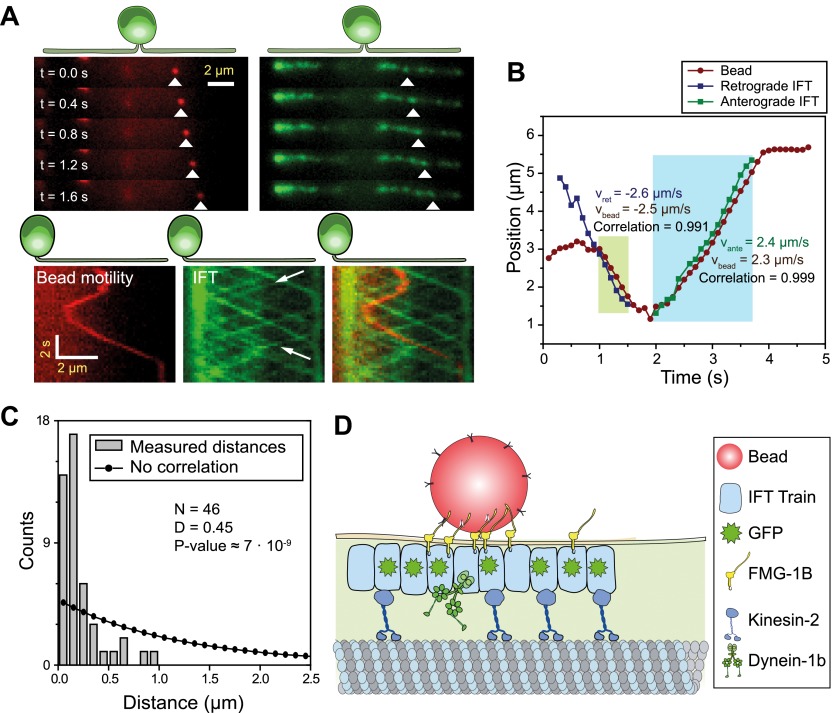
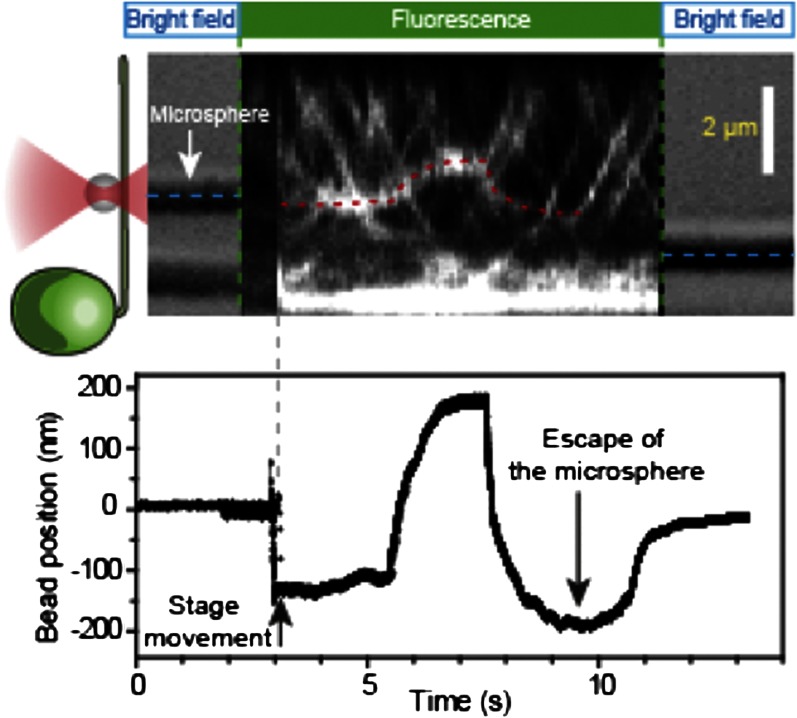
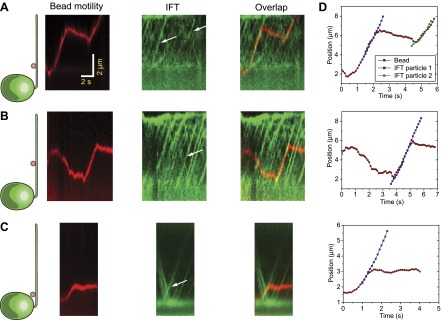
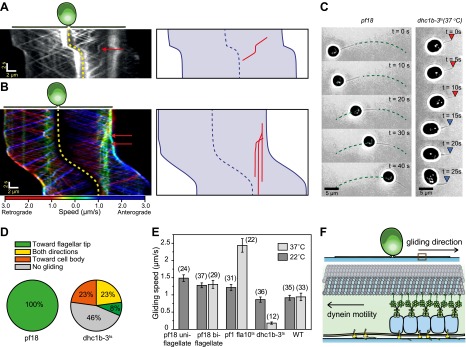
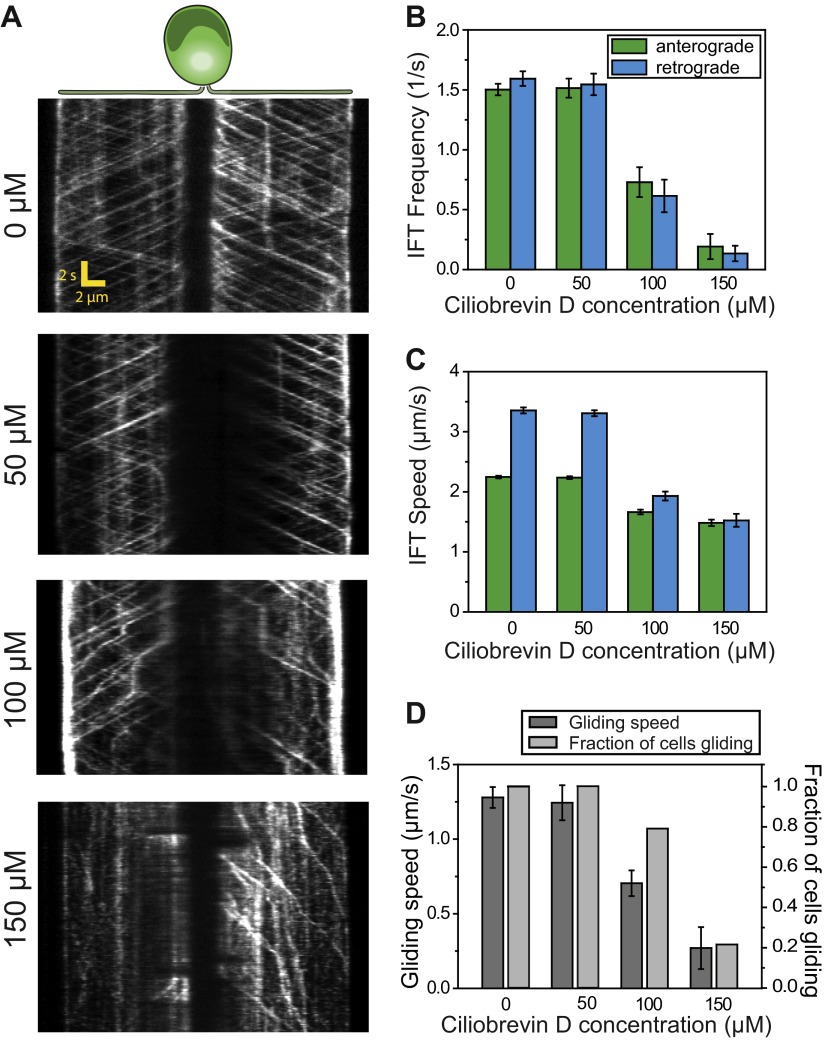
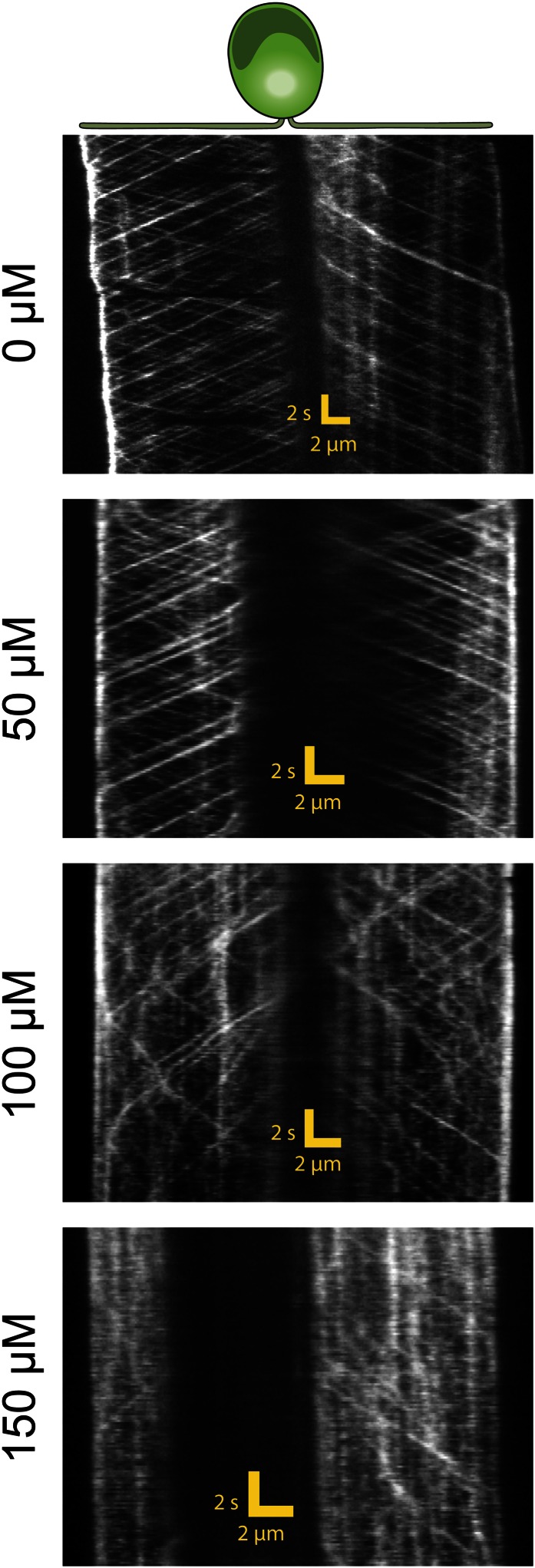
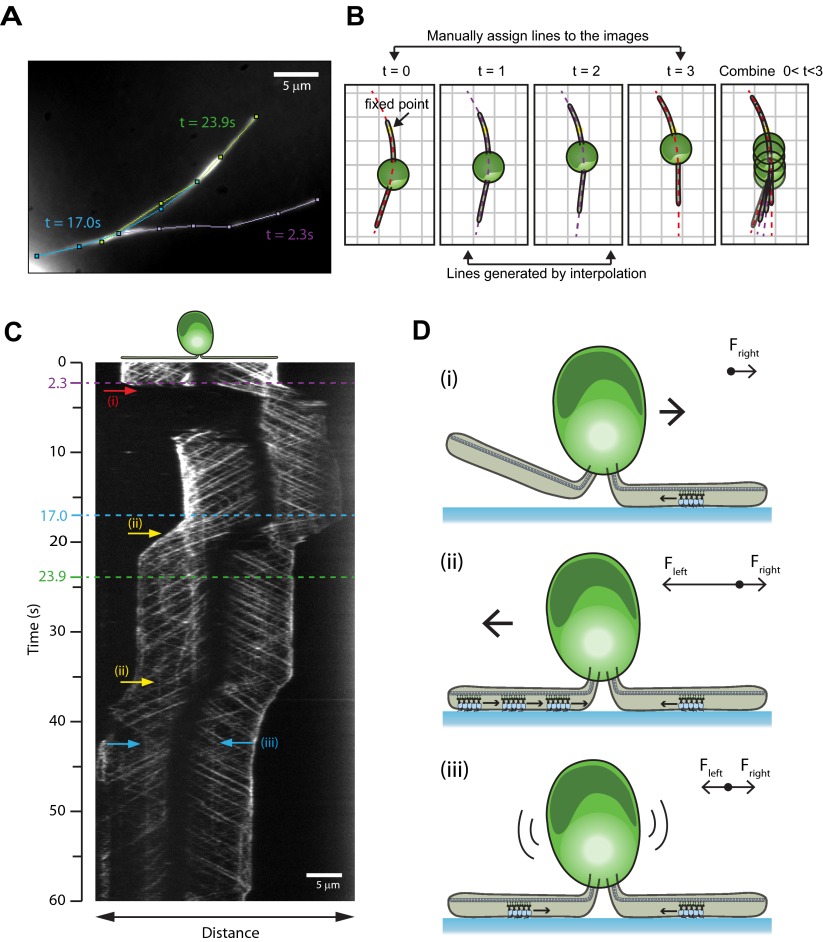
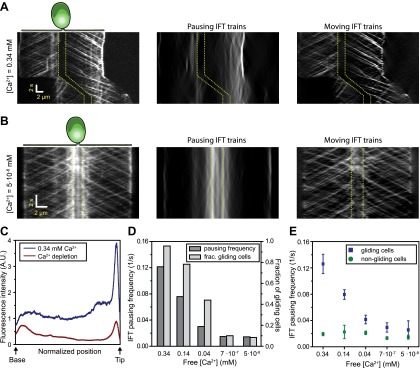
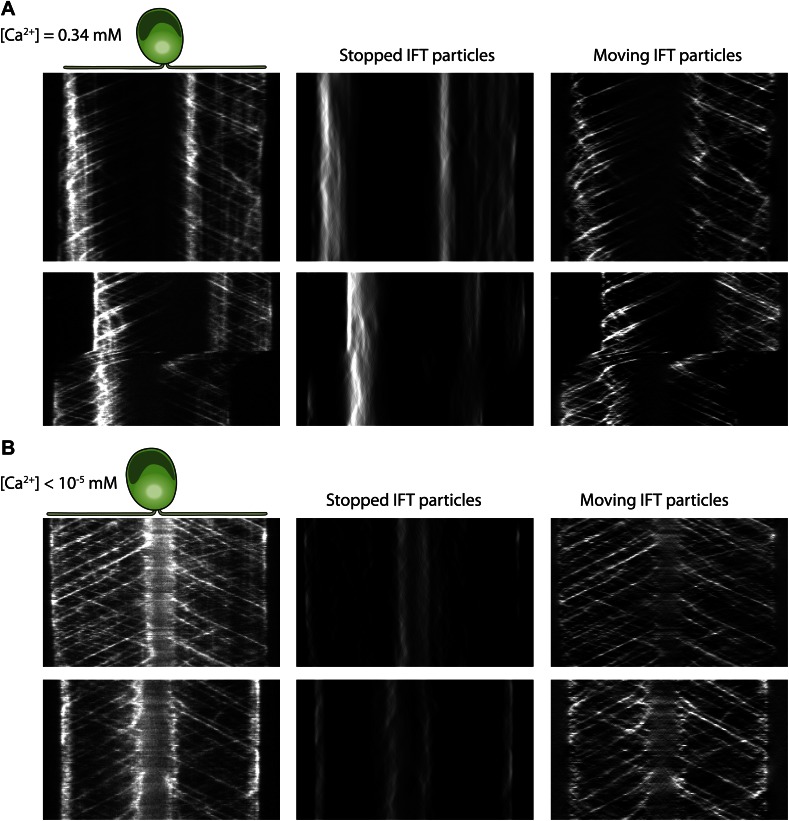
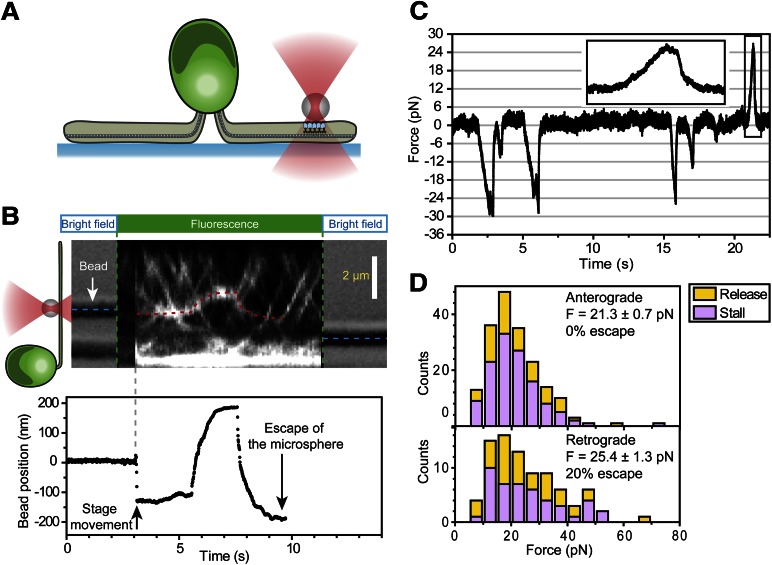
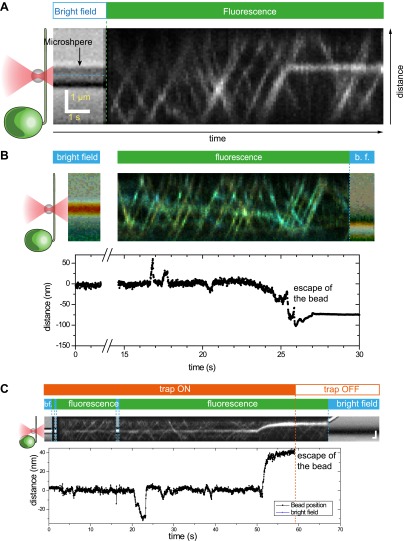
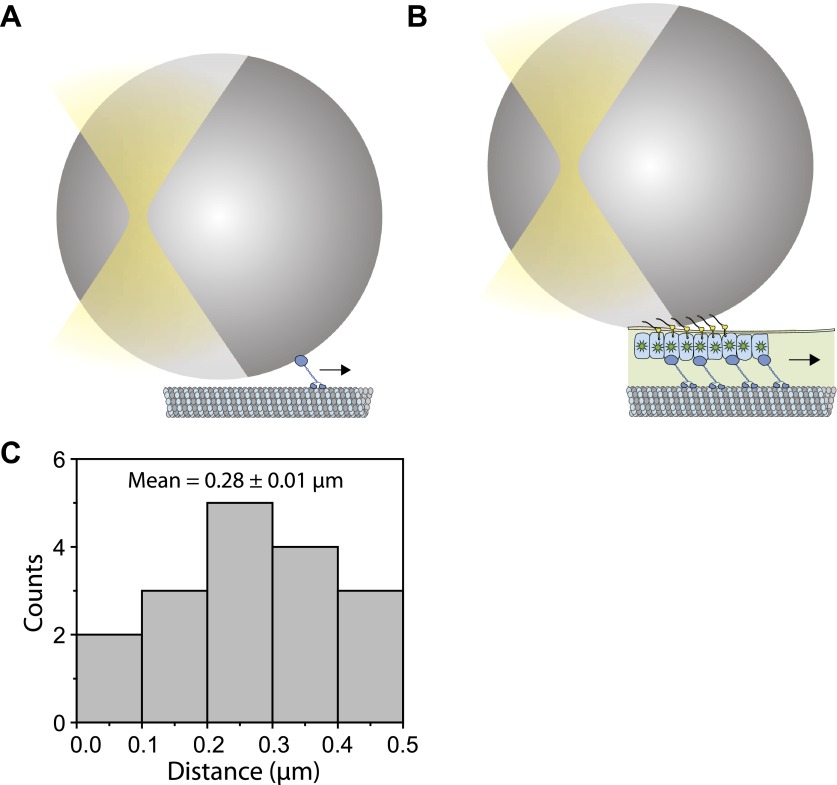
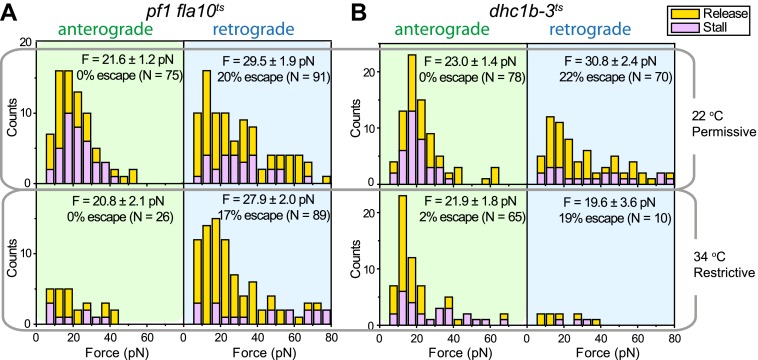
The assembly and maintenance of all cilia and flagella require intraflagellar transport (IFT) along the axoneme. IFT has been implicated in sensory and motile ciliary functions, but the mechanisms of this relationship remain unclear. Here, we used Chlamydomonas flagellar surface motility (FSM) as a model to test whether IFT provides force for gliding of cells across solid surfaces. We show that IFT trains are coupled to flagellar membrane glycoproteins (FMGs) in a Ca(2+)-dependent manner. IFT trains transiently pause through surface adhesion of their FMG cargos, and dynein-1b motors pull the cell towards the distal tip of the axoneme. Each train is transported by at least four motors, with only one type of motor active at a time. Our results demonstrate the mechanism of Chlamydomonas gliding motility and suggest that IFT plays a major role in adhesion-induced ciliary signaling pathways. DOI:http://dx.doi.org/10.7554/eLife.00744.001.
所有纤毛和鞭毛的组装与维持都需要沿轴丝进行鞭毛内运输(IFT)。IFT与感觉性和运动性纤毛功能有关,但其关联机制尚不清楚。在此,我们以衣藻鞭毛表面运动(FSM)为模型,来测试IFT是否为细胞在固体表面滑行提供动力。我们发现IFT列车以钙依赖方式与鞭毛膜糖蛋白(FMG)耦合。IFT列车通过其FMG货物的表面黏附而短暂停顿,动力蛋白-1b马达将细胞拉向轴丝的远端。每列列车由至少四个马达运输,每次只有一种类型的马达活跃。我们的结果揭示了衣藻滑行运动的机制,并表明IFT在黏附诱导的纤毛信号通路中起主要作用。DOI:http://dx.doi.org/10.7554/eLife.00744.001 。