Cell and Tissue Engineering Laboratory, Gruppo Ospedaliero San Donato Foundation, Milan, Italy.
PLoS One. 2013 Jun 20;8(6):e67628. doi: 10.1371/journal.pone.0067628. Print 2013.
Periprosthetic bacterial infections represent one of the most challenging orthopaedic complications that often require implant removal and surgical debridement and carry high social and economical costs. Diabetes is one of the most relevant risk factors of implant-related infection and its clinical occurrence is growing worldwide. The aim of the present study was to test a model of implant-related infection in the diabetic mouse, with a view to allow further investigation on the relative efficacy of prevention and treatment options in diabetic and non-diabetic individuals.
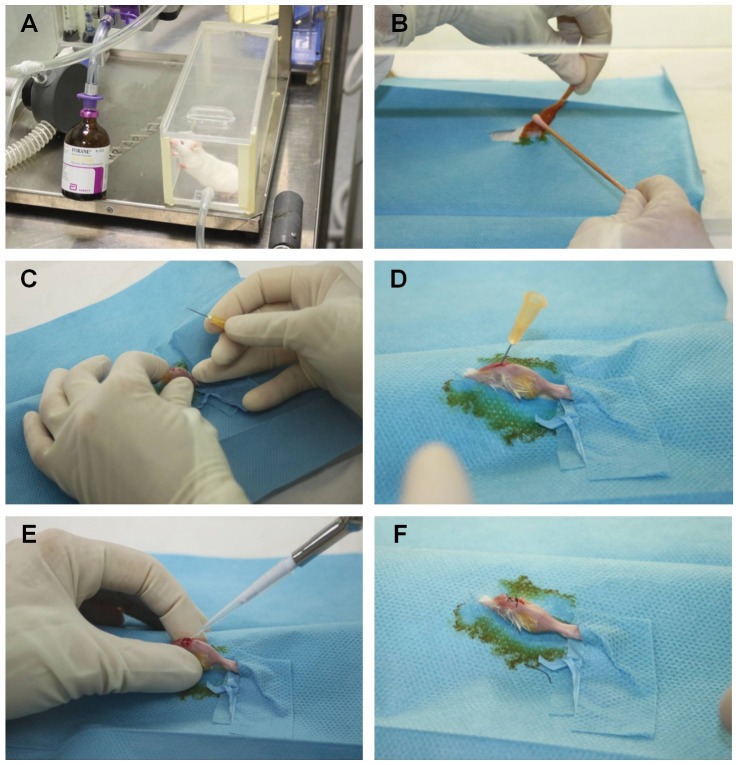
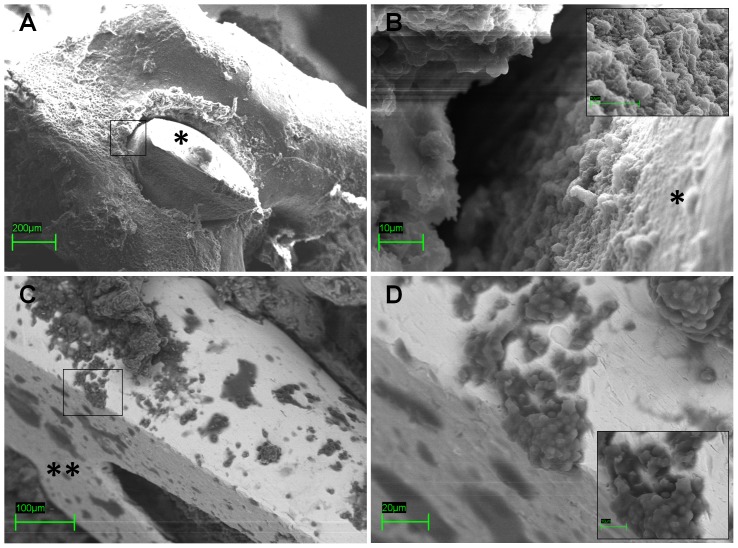
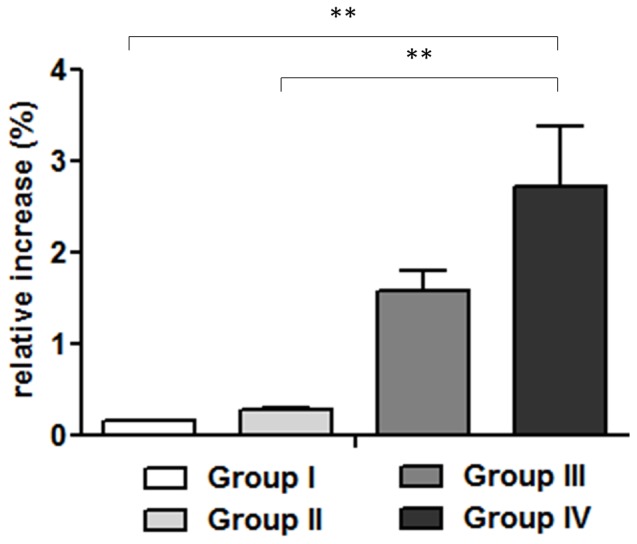
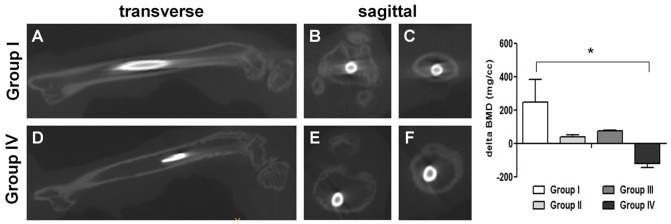
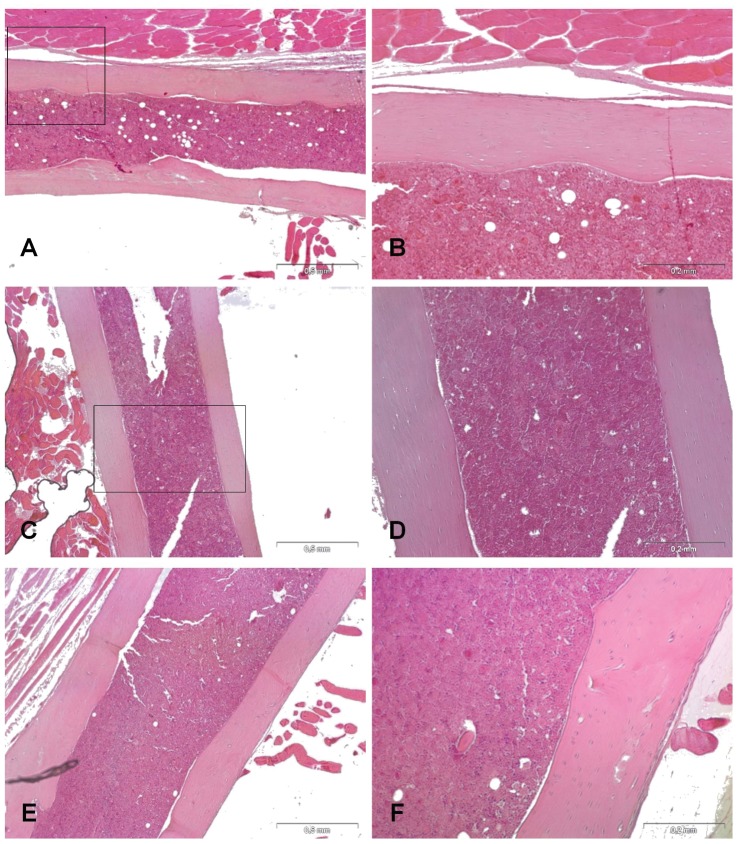
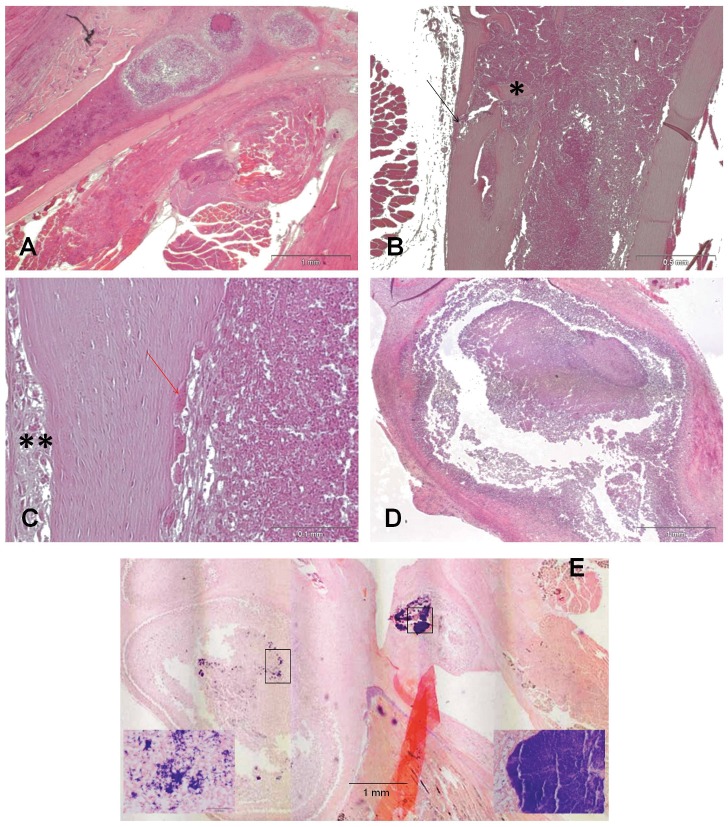
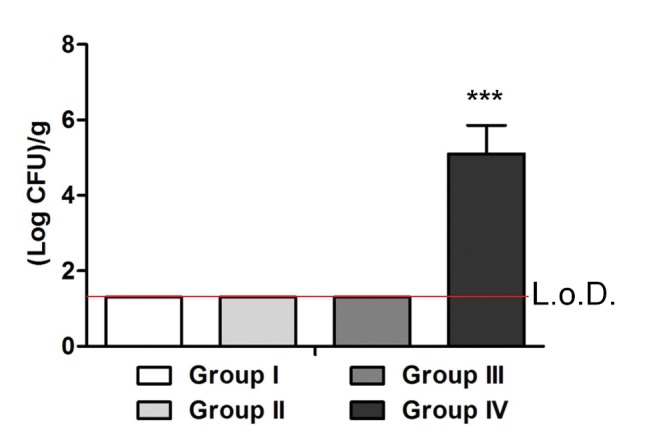
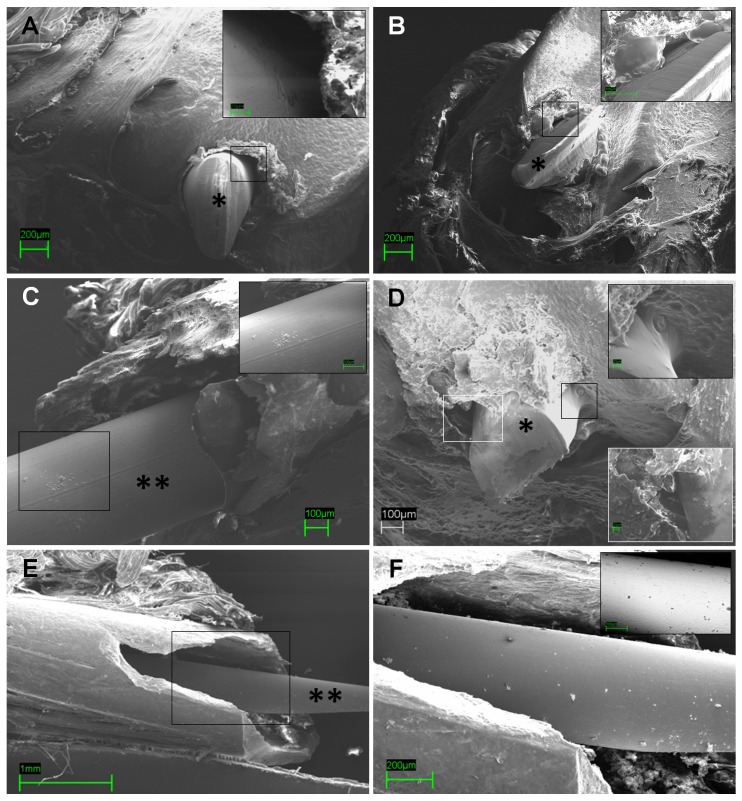
A cohort of diabetic NOD/ShiLtJ mice was compared with non-diabetic CD1 mice as an in vivo model of S. aureus orthopaedic infection of bone and soft tissues after femur intramedullary pin implantation. We tested control and infected groups with 1×10(3) colony-forming units of S. aureus ATCC 25923 strain injected in the implant site. At 4 weeks post-inoculation, host response to infection, microbial biofilm formation, and bone damage were assessed by traditional diagnostic parameters (bacterial culture, C-reactive protein and white blood cell count), histological analysis and imaging techniques (micro computed tomography and scanning electron microscopy).
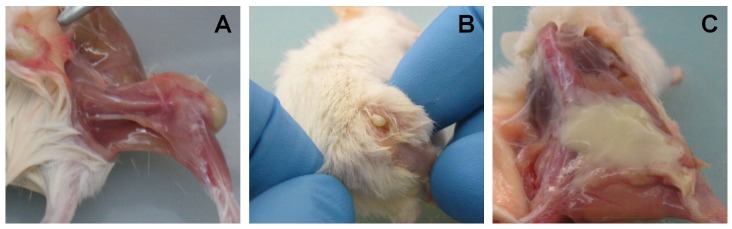
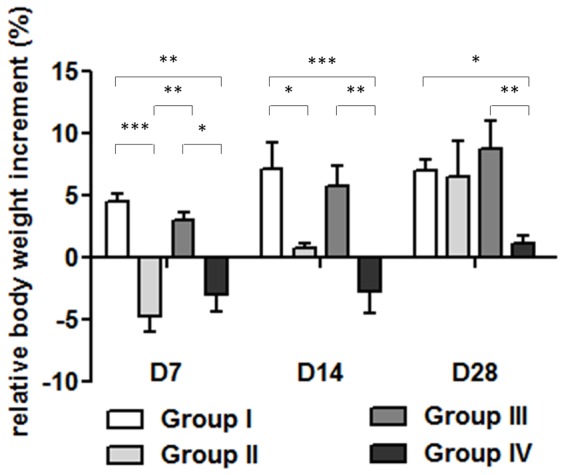
Unlike the controls and the CD1 mice, all the diabetic mice challenged with a single inoculum of S. aureus displayed severe osteomyelitic changes around the implant.
Our findings demonstrate for the first time that the diabetic mouse can be successfully used in a model of orthopaedic implant-related infection. Furthermore, the same bacteria inoculum induced periprosthetic infection in all the diabetic mice but not in the controls. This animal model of implant-related infection in diabetes may be a useful tool to test in vivo treatments in diabetic and non-diabetic individuals.
人工关节周围细菌感染是最具挑战性的骨科并发症之一,常需要取出植入物并进行清创,且具有高昂的社会和经济成本。糖尿病是植入物相关感染的最重要的危险因素之一,其临床发病率在全球范围内呈上升趋势。本研究旨在建立糖尿病小鼠的植入物相关感染模型,以便进一步研究在糖尿病和非糖尿病个体中预防和治疗方案的相对疗效。
将糖尿病 NOD/ShiLtJ 小鼠与非糖尿病 CD1 小鼠进行比较,作为金黄色葡萄球菌经股骨骨髓腔内植入针感染骨和软组织的体内模型。我们将 1×10(3)个金黄色葡萄球菌 ATCC 25923 菌株的菌落形成单位注入植入部位,分别对对照和感染组进行测试。在接种后 4 周,通过传统诊断参数(细菌培养、C 反应蛋白和白细胞计数)、组织学分析和影像学技术(微计算机断层扫描和扫描电子显微镜)评估宿主对感染的反应、微生物生物膜形成和骨损伤。
与对照组和 CD1 小鼠不同,所有接受金黄色葡萄球菌单一接种物挑战的糖尿病小鼠均显示出植入物周围严重的骨髓炎变化。
我们的研究结果首次表明,糖尿病小鼠可成功用于骨科植入物相关感染模型。此外,相同的细菌接种物在所有糖尿病小鼠中引起了假体周围感染,但在对照组中没有。这种糖尿病相关植入物感染的动物模型可能是在糖尿病和非糖尿病个体中进行体内治疗测试的有用工具。