Talib Wamidh H, Abukhader Majed M
Department of Clinical Pharmacy and Therapeutics, Applied Science University, Amman 11931, Jordan.
Sci Pharm. 2013 Apr-Jun;81(2):519-30. doi: 10.3797/scipharm.1211-15. Epub 2013 Jan 3.
One of the major causes of clinical trial termination is the liver toxicity induced by chemotherapeutic agents. Treatment with anticancer drugs like CB 1954 (5-(Aziridin-1-yl)-2,4-dinitrobenzamide) is associated with significant hepatotoxicity. Thymoquinone (TQ), extracted from Nigella sativa, is reported to possess anticancer and hepatoprotective effects. The aims of the present study were to use TQ to reduce hepatotoxicity associated with CB 1954 and to augment its anticancer activity against the resistant mouse mammary gland cell line (66 cl-4-GFP).
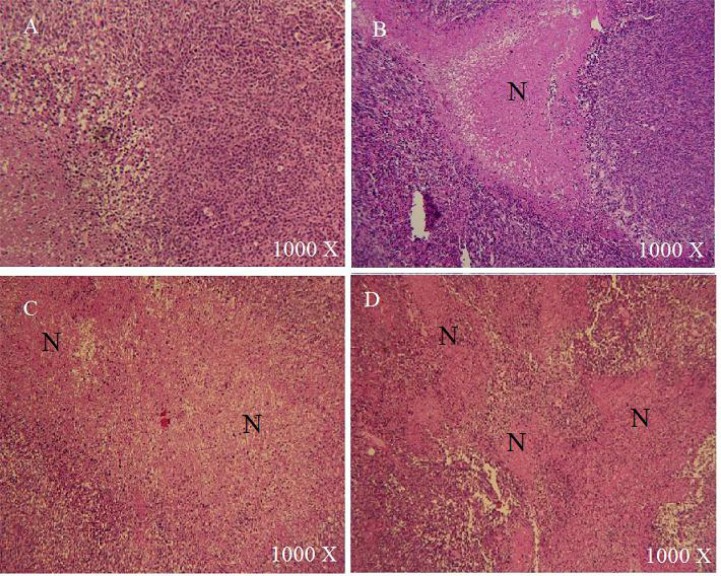
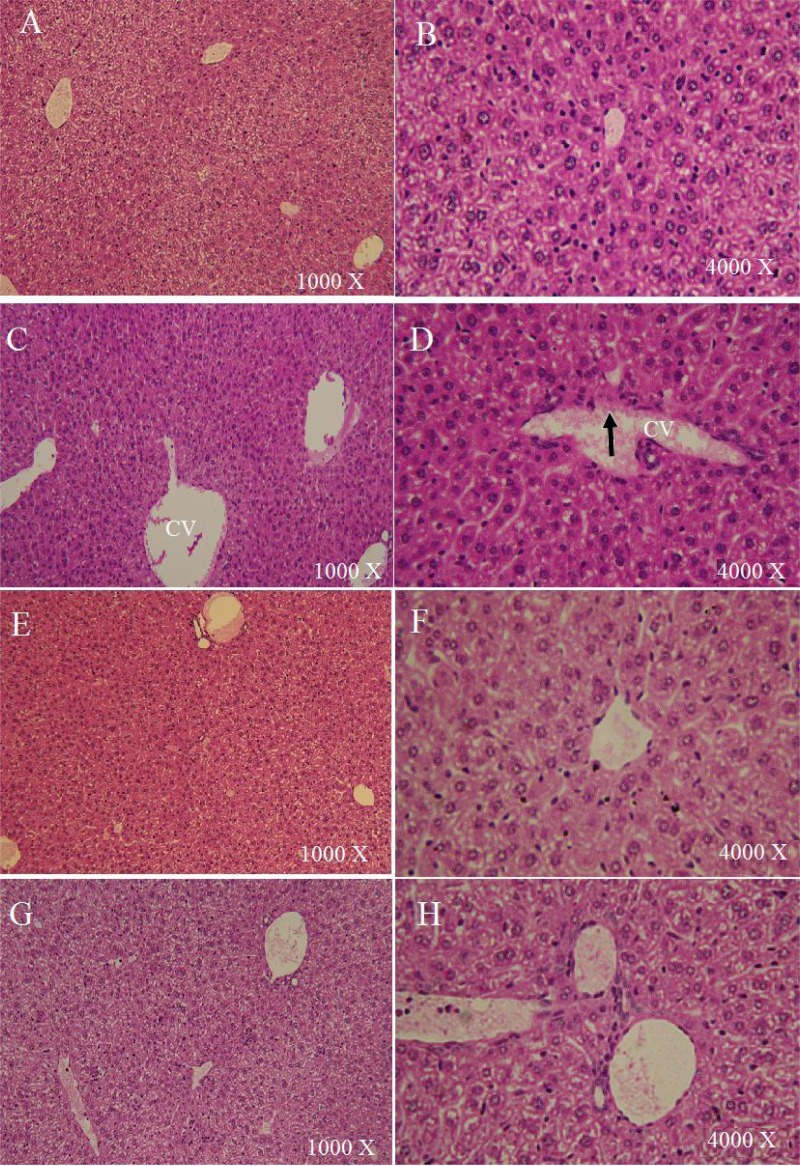
Balb/C mice were transplanted with the 66cl-4-GFP cell line and in vivo antitumor activity was assessed for CB 1954 (141 mg/kg), TQ (10 mg/kg), and a combination of CB 1954 and TQ. Changes in tumor size and body weight were measured for each treatment. Histological examination of tumors and liver tissue samples was performed using the standard hematoxylin/eosin staining protocol, and serum levels of the liver enzymes AST and ALT were used as biomarkers of hepatotoxicity.
Severe liver damage and elevated plasma levels of AST and ALT were observed in the group treated with CB 1954. Treatment of tumor-bearing mice with a combination of CB 1954 and TQ caused a significant regression in tumor size and induced extensive necrosis in these tumors. The combination also protected the liver from drug-induced damage and reduced the plasma levels of AST and ALT to their normal ranges.
These results suggest that the use of TQ with CB 1954 can reduce CB 1954-induced hepatotoxicity and enhance its anticancer activity, indicating the potential use of this combination in clinical studies.
临床试验终止的主要原因之一是化疗药物引起的肝毒性。使用像CB 1954(5-(氮丙啶-1-基)-2,4-二硝基苯甲酰胺)这样的抗癌药物进行治疗会伴有显著的肝毒性。从黑种草中提取的百里醌(TQ)据报道具有抗癌和肝脏保护作用。本研究的目的是使用TQ来降低与CB 1954相关的肝毒性,并增强其对耐药小鼠乳腺细胞系(66 cl-4-GFP)的抗癌活性。
将66cl-4-GFP细胞系移植到Balb/C小鼠体内,并评估CB 1954(141 mg/kg)、TQ(10 mg/kg)以及CB 1954与TQ联合用药的体内抗肿瘤活性。对每种治疗方法测量肿瘤大小和体重的变化。使用标准苏木精/伊红染色方案对肿瘤和肝组织样本进行组织学检查,并将血清肝酶AST和ALT水平用作肝毒性的生物标志物。
在接受CB 1954治疗的组中观察到严重的肝损伤以及AST和ALT血浆水平升高。用CB 1954和TQ联合治疗荷瘤小鼠导致肿瘤大小显著缩小,并在这些肿瘤中诱导广泛坏死。联合用药还保护肝脏免受药物诱导的损伤,并将AST和ALT的血浆水平降低至正常范围。
这些结果表明,TQ与CB 1954联合使用可以降低CB 1954诱导的肝毒性并增强其抗癌活性,表明该联合用药在临床研究中的潜在用途。