Korfhagen T R, Glasser S W, Wert S E, Bruno M D, Daugherty C C, McNeish J D, Stock J L, Potter S S, Whitsett J A
Children's Hospital Medical Center, Department of Pediatrics, Cincinnati, OH 45229.
Proc Natl Acad Sci U S A. 1990 Aug;87(16):6122-6. doi: 10.1073/pnas.87.16.6122.
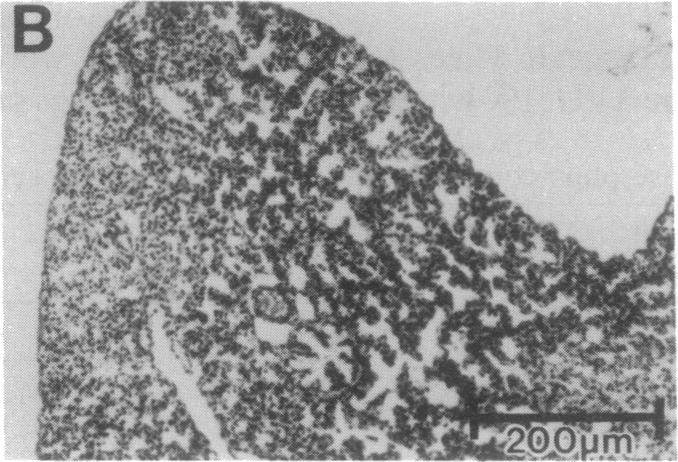
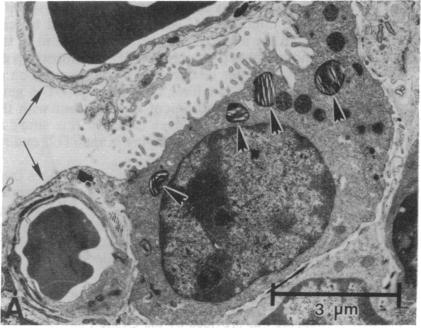
Pulmonary surfactant is produced in late gestation by developing type II epithelial cells lining the alveolar epithelium of the lung. Lack of surfactant at birth is associated with respiratory distress syndrome in premature infants. Surfactant protein C (SP-C) is a highly hydrophobic peptide isolated from pulmonary tissue that enhances the biophysical activity of surfactant phospholipids. Like surfactant phospholipid, SP-C is produced by epithelial cells in the distal respiratory epithelium, and its expression increases during the latter part of gestation. A chimeric gene containing 3.6 kilobases of the promoter and 5'-flanking sequences of the human SP-C gene was used to express diphtheria toxin A. The SP-C-diphtheria toxin A fusion gene was injected into fertilized mouse eggs to produce transgenic mice. Affected mice developed respiratory failure in the immediate postnatal period. Morphologic analysis of lungs from affected pups showed variable but severe cellular injury confined to pulmonary tissues. Ultrastructural changes consistent with cell death and injury were prominent in the distal respiratory epithelium. Proximal components of the tracheobronchial tree were not severely affected. Transgenic animals were of normal size at birth, and structural abnormalities were not detected in nonpulmonary tissues. Lung-specific diphtheria toxin A expression controlled by the human SP-C gene injured type II epithelial cells and caused extensive necrosis of the distal respiratory epithelium. The absence of type I epithelial cells in the most severely affected transgenic animals supports the concept that developing type II cells serve as precursors to type I epithelial cells.
肺表面活性物质是由肺内肺泡上皮的II型上皮细胞在妊娠后期产生的。出生时缺乏表面活性物质与早产儿呼吸窘迫综合征有关。表面活性物质蛋白C(SP-C)是一种从肺组织中分离出的高度疏水的肽,它能增强表面活性物质磷脂的生物物理活性。与表面活性物质磷脂一样,SP-C由远端呼吸上皮的上皮细胞产生,其表达在妊娠后期增加。一个包含3.6千碱基的人SP-C基因启动子和5'侧翼序列的嵌合基因被用来表达白喉毒素A。将SP-C-白喉毒素A融合基因注入受精的小鼠卵中以产生转基因小鼠。受影响的小鼠在出生后立即出现呼吸衰竭。对受影响幼崽的肺进行形态学分析显示,肺组织出现了不同程度但严重的细胞损伤。远端呼吸上皮中与细胞死亡和损伤一致的超微结构变化很明显。气管支气管树的近端部分未受到严重影响。转基因动物出生时大小正常,非肺组织未检测到结构异常。由人SP-C基因控制的肺特异性白喉毒素A表达损伤了II型上皮细胞,并导致远端呼吸上皮广泛坏死。在受影响最严重的转基因动物中缺乏I型上皮细胞,这支持了发育中的II型细胞是I型上皮细胞前体的概念。