Department of Pediatric Surgery, Children's Hospital of Fudan University, and Key Laboratory of Neonatal Disease, Ministry of Health, Shanghai, China.
PLoS One. 2013 Jul 11;8(7):e68602. doi: 10.1371/journal.pone.0068602. Print 2013.
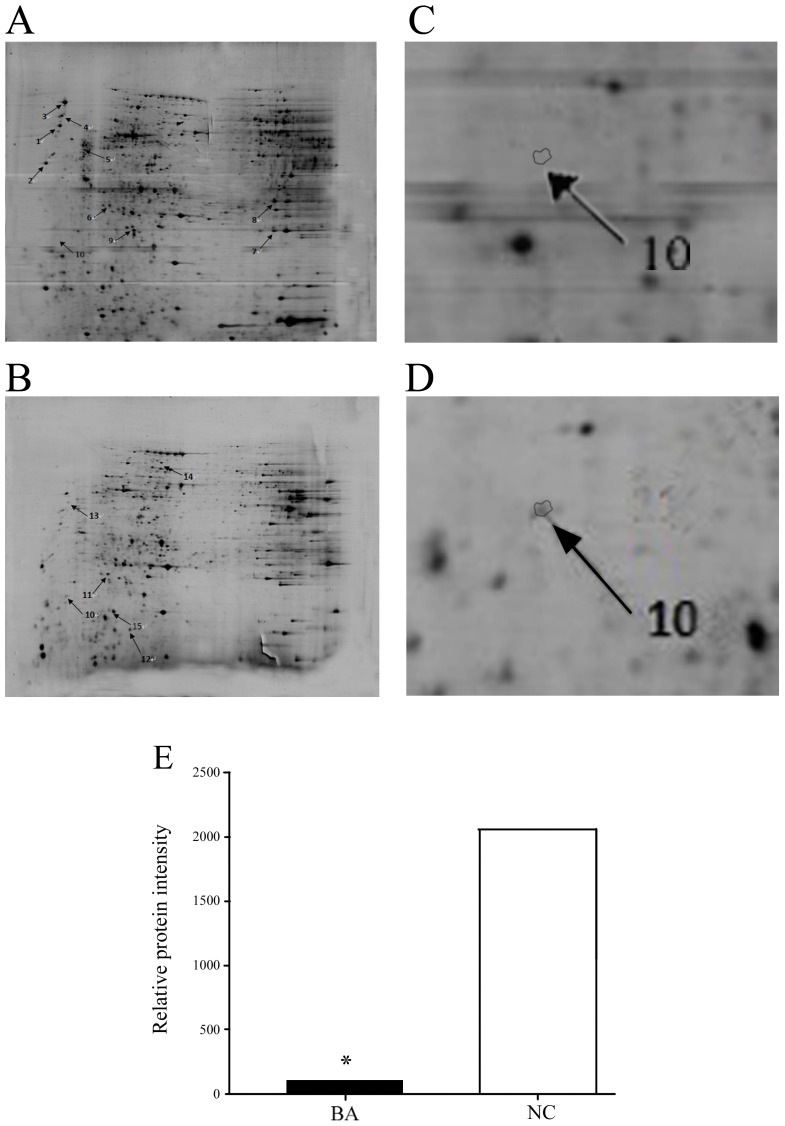
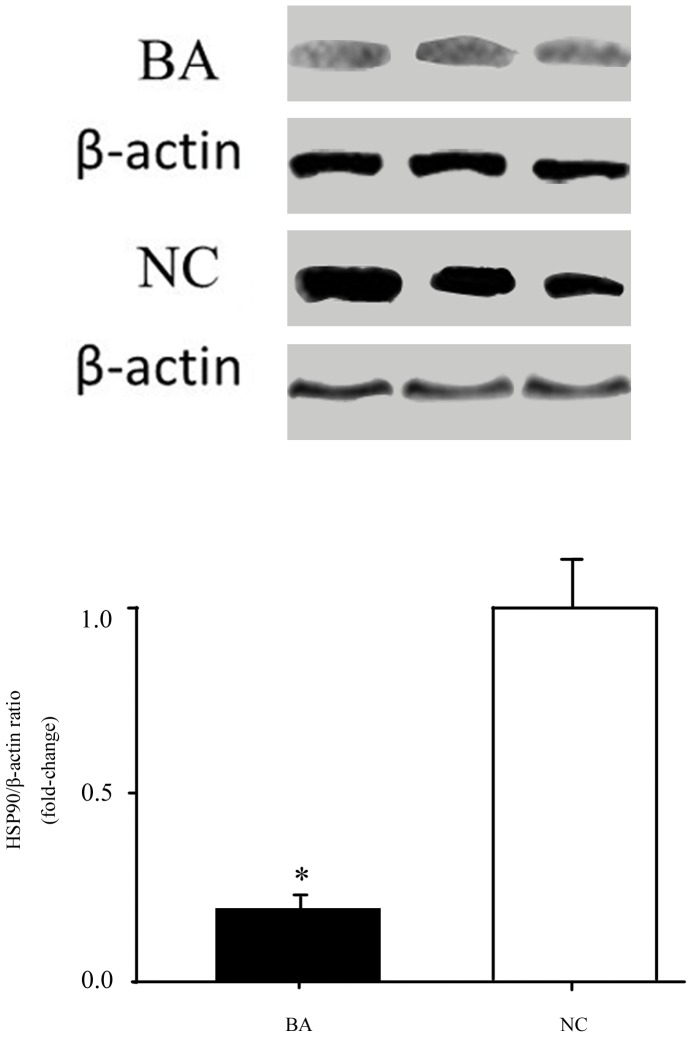
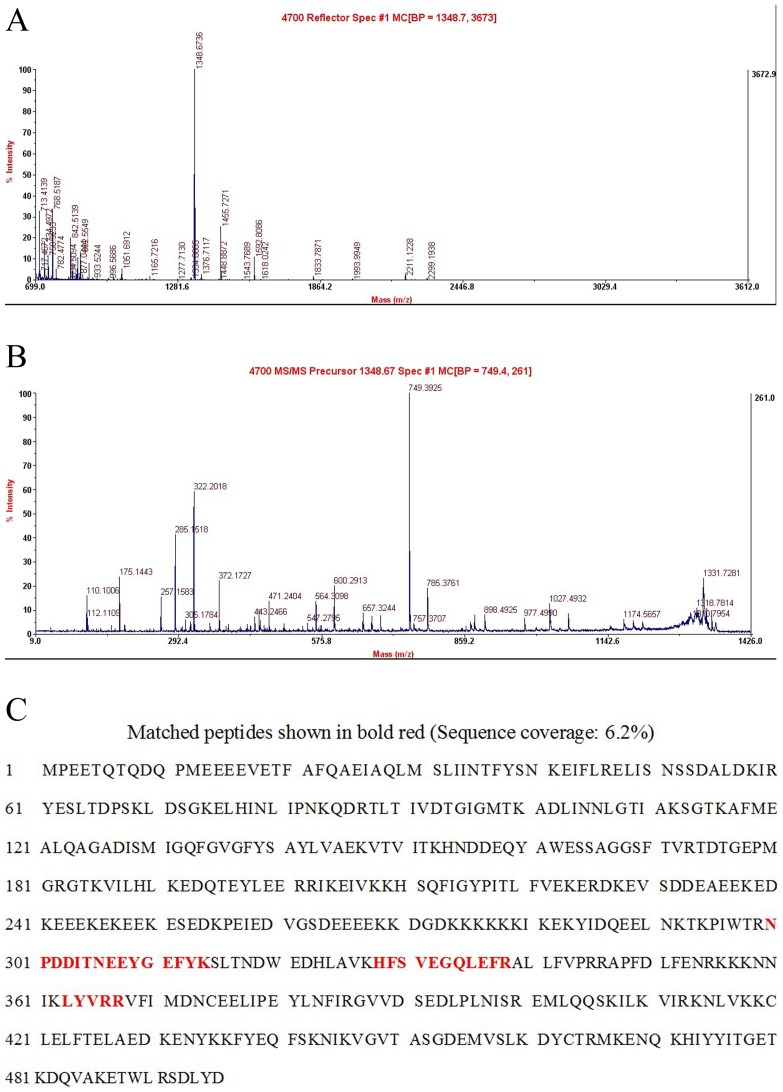
Biliary atresia (BA) is a devastating cholestatic liver disease targeting infants. Current diagnosis depends on surgical exploration of the biliary tree. The aim of the present study was to identify potential biomarkers for the diagnosis of biliary atresia (BA). Two-dimensional electrophoresis was utilized for the identification of proteins that were differentially expressed in liver biopsies of 20 BA patients and 12 infants with non-BA neonatal cholestasis (NC) as controls. Using mass spectrometry, we identified 15 proteins with expressions significantly altered. Out of the 15 proteins identified, heat shock protein (HSP) 90 was the most significantly altered and was down-regulated in BA samples compared to NC samples using immunoblotting analysis. Our findings suggest that HSP90 might be a potential biomarker for the diagnosis of BA and may be used for monitoring further development and therapy for BA. This study demonstrated that a comprehensive strategy of proteomic identification combined with further validation should be adopted in biomarker discovery.
先天性胆道闭锁(BA)是一种针对婴儿的破坏性胆汁淤积性肝病。目前的诊断依赖于胆道的手术探查。本研究的目的是确定潜在的生物标志物用于诊断胆道闭锁(BA)。使用二维电泳鉴定了 20 例 BA 患者和 12 例非 BA 新生儿胆汁淤积(NC)对照患儿肝活检中差异表达的蛋白质。通过质谱分析,我们鉴定出 15 种表达明显改变的蛋白质。在鉴定出的 15 种蛋白质中,热休克蛋白(HSP)90 的变化最为显著,与 NC 样本相比,BA 样本中的 HSP90 表达水平下调,通过免疫印迹分析证实。我们的研究结果表明,HSP90 可能是 BA 诊断的潜在生物标志物,并可用于监测 BA 的进一步发展和治疗。本研究表明,应采用蛋白质组学鉴定的综合策略,并结合进一步验证来进行生物标志物的发现。