Engineering School of Lorena, University of São Paulo, 12602-810, Lorena SP, Brazil.
Mar Drugs. 2013 Jul 4;11(7):2365-81. doi: 10.3390/md11072365.
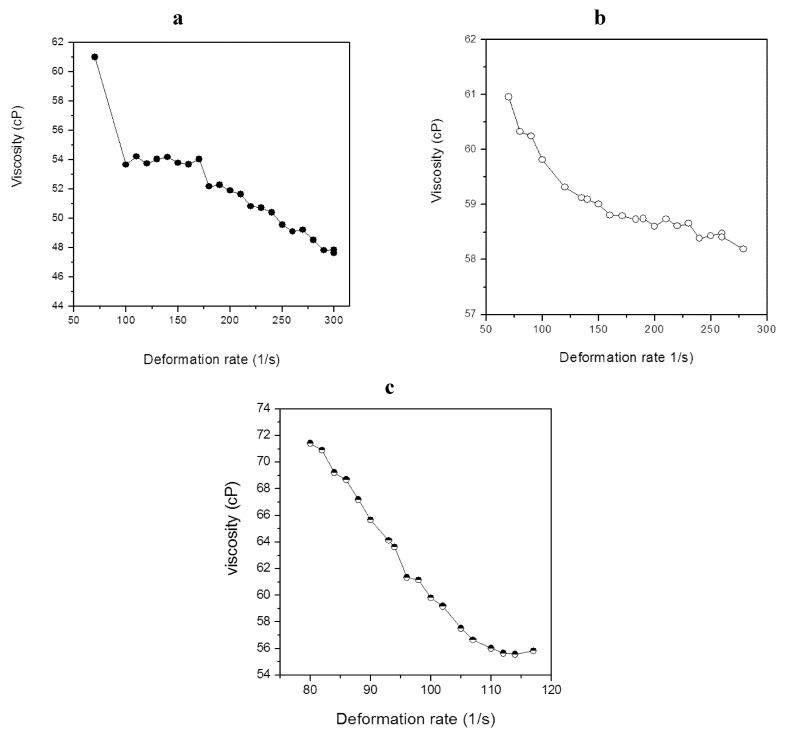
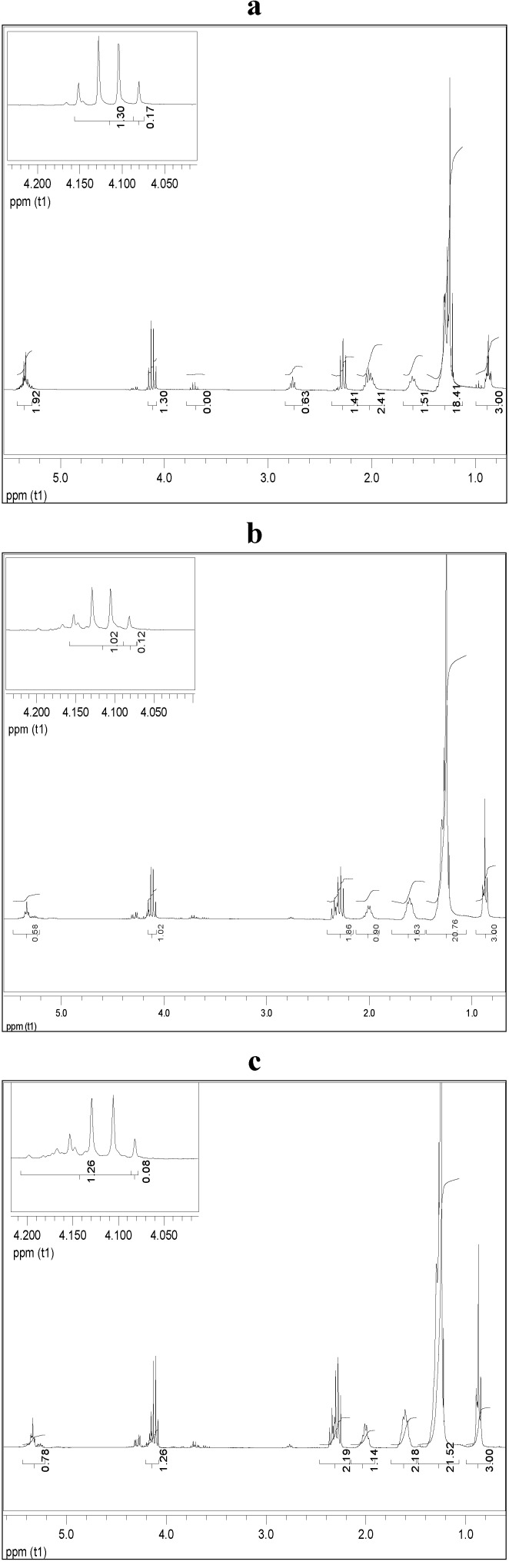
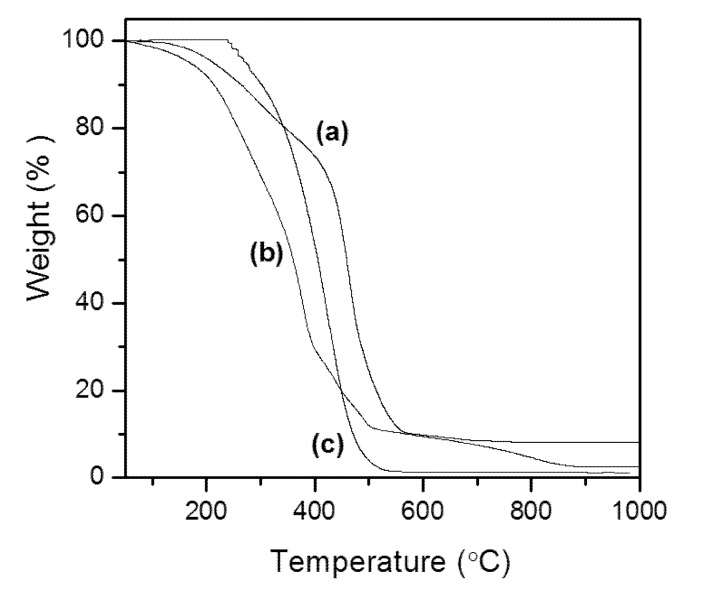
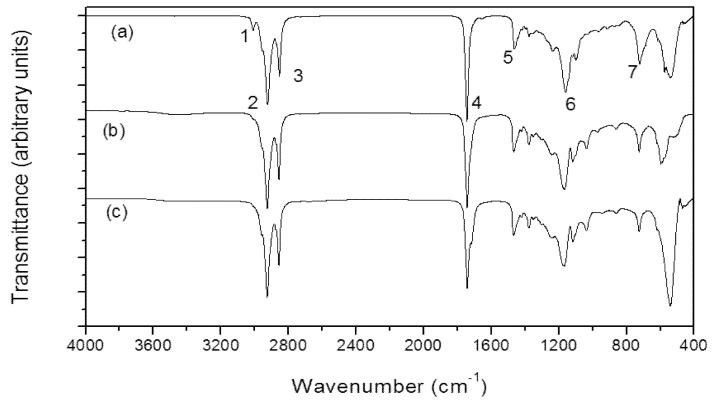
Five non-toxin producing cyanobacterial isolates from the genera Synechococcus, Trichormus, Microcystis, Leptolyngbya and Chlorogloea were examined in terms of quantity and quality as lipid feedstock for biofuel production. Under the conditions used in this study, the biomass productivity ranged from 3.7 to 52.7 mg·L-1·day-1 in relation to dry biomass, while the lipid productivity varied between 0.8 and 14.2 mg·L-1·day-1. All cyanobacterial strains evaluated yielded lipids with similar fatty acid composition to those present in the seed oils successfully used for biodiesel synthesis. However, by combining biomass and lipid productivity parameters, the greatest potential was found for Synechococcus sp. PCC7942, M. aeruginosa NPCD-1 and Trichormus sp. CENA77. The chosen lipid samples were further characterized using Fourier Transform Infrared spectroscopy (FTIR), viscosity and thermogravimetry and used as lipid feedstock for biodiesel synthesis by heterogeneous catalysis.
从聚球藻属、颤藻属、微囊藻属、鞘丝藻属和绿菌属中筛选出 5 株不产毒的蓝藻分离株,从数量和质量两方面考察其作为生物燃料生产的脂类原料的潜力。在本研究中使用的条件下,生物量生产力与干生物质相关,范围为 3.7 至 52.7 mg·L-1·day-1,而脂类生产力在 0.8 至 14.2 mg·L-1·day-1 之间变化。所有评价的蓝藻菌株产生的脂类具有与成功用于生物柴油合成的种子油中存在的类似脂肪酸组成。然而,通过结合生物量和脂类生产力参数,发现聚球藻属 PCC7942、铜绿微囊藻 NPCD-1 和颤藻属 CENA77 具有最大的潜力。选择的脂类样品进一步使用傅里叶变换红外光谱(FTIR)、粘度和热重分析进行了表征,并用作异相催化生物柴油合成的脂类原料。