Department of Pediatrics, University of Colorado School of Medicine, Anschutz Medical Campus, Aurora, Colorado, United States of America.
PLoS One. 2013 Jul 24;8(7):e70129. doi: 10.1371/journal.pone.0070129. Print 2013.
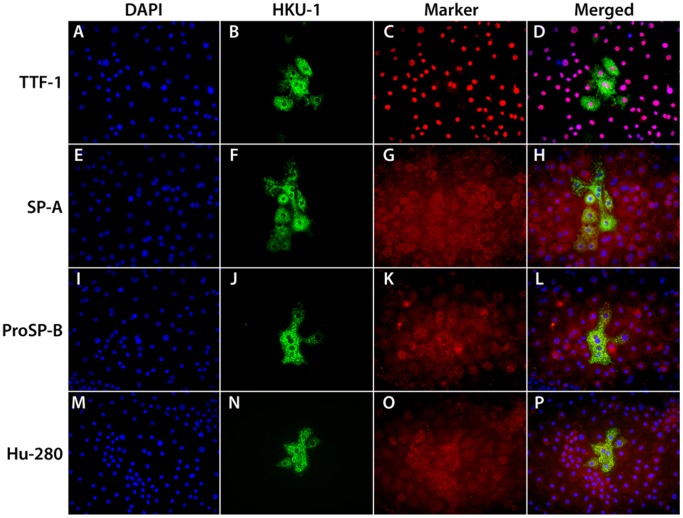
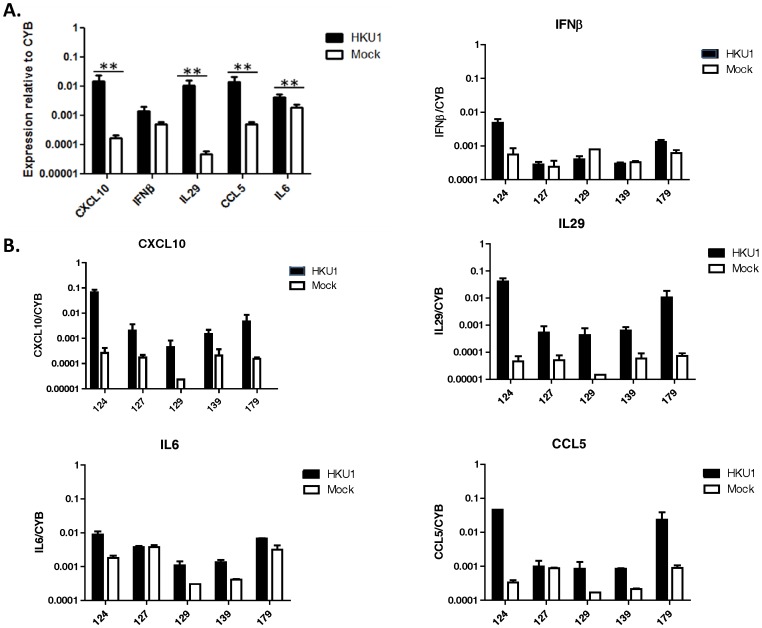
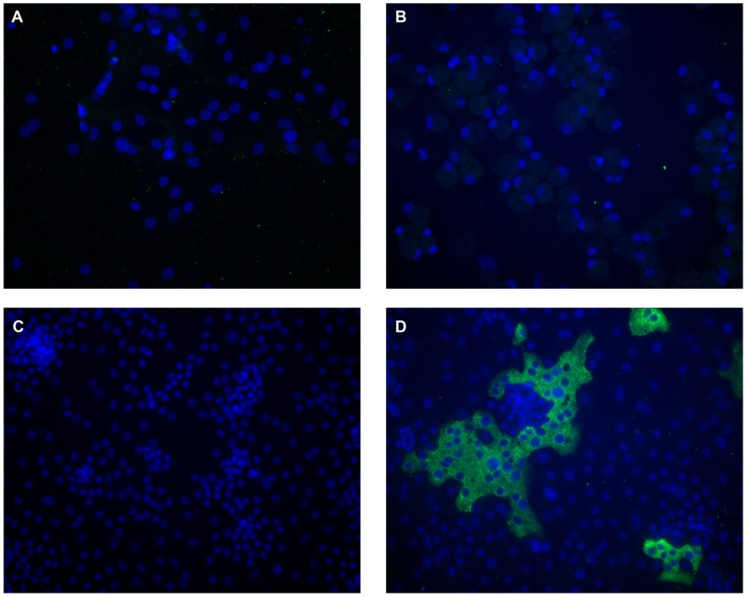
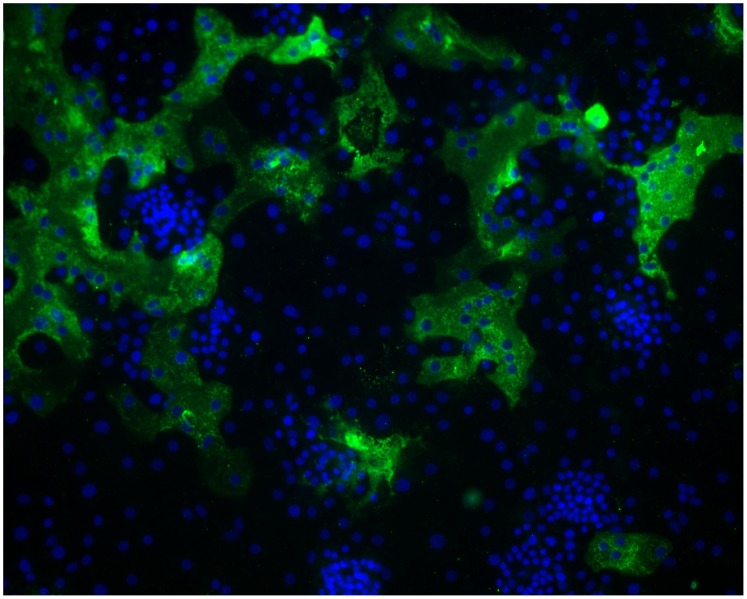
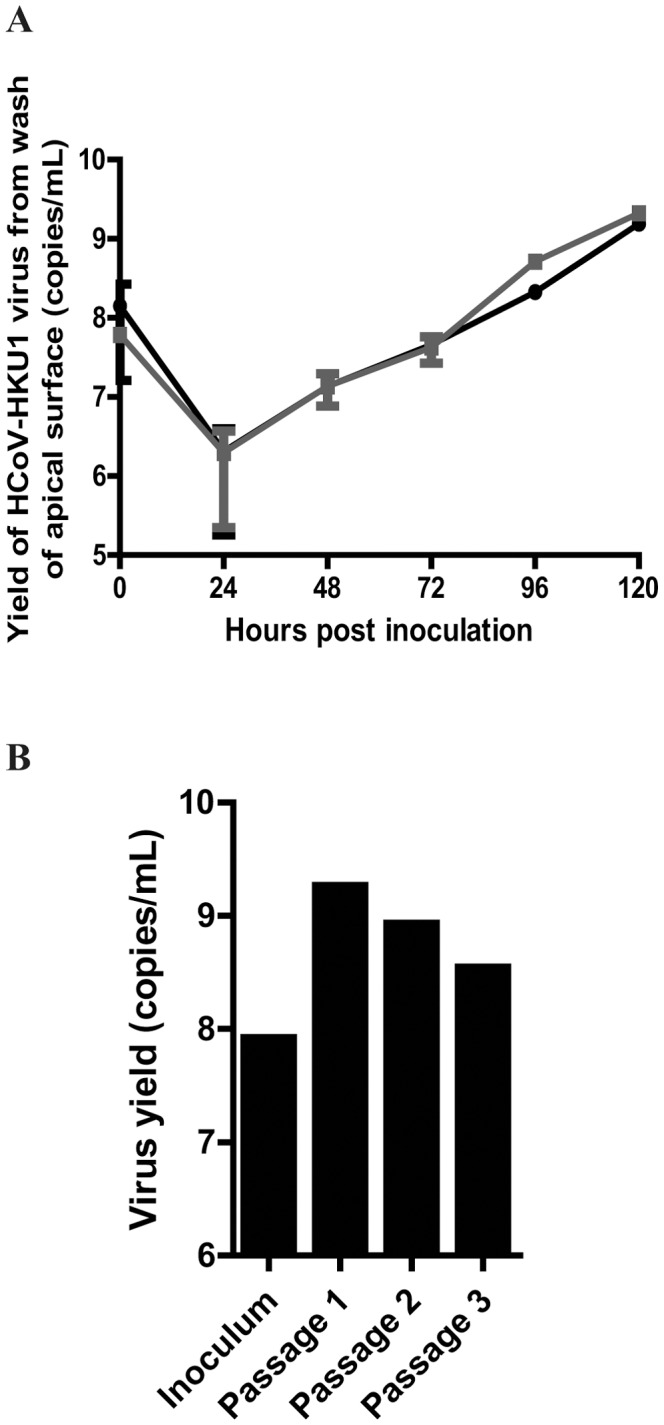
Because they are the natural target for respiratory pathogens, primary human respiratory epithelial cells provide the ideal in vitro system for isolation and study of human respiratory viruses, which display a high degree of cell, tissue, and host specificity. Human coronavirus HKU1, first discovered in 2005, has a worldwide prevalence and is associated with both upper and lower respiratory tract disease in both children and adults. Research on HCoV-HKU1 has been difficult because of its inability to be cultured on continuous cell lines and only recently it was isolated from clinical specimens using primary human, ciliated airway epithelial cells. Here we demonstrate that HCoV-HKU1 can infect and be serially propagated in primary human alveolar type II cells at the air-liquid interface. We were not able to infect alveolar type I-like cells or alveolar macrophages. Type II alveolar cells infected with HCoV-HKU1 demonstrated formation of large syncytium. At 72 hours post inoculation, HCoV-HKU1 infection of type II cells induced increased levels of mRNAs encoding IL29,CXCL10, CCL5, and IL-6 with no significant increases in the levels of IFNβ. These studies demonstrate that type II cells are a target cell for HCoV-HKU1 infection in the lower respiratory tract, that type II alveolar cells are immune-competent in response to infection exhibiting a type III interferon and proinflammatory chemokine response, and that cell to cell spread may be a major factor for spread of infection. Furthermore, these studies demonstrate that human alveolar cells can be used to isolate and study novel human respiratory viruses that cause lower respiratory tract disease.
由于它们是呼吸道病原体的天然靶标,原代人呼吸道上皮细胞为分离和研究具有高度细胞、组织和宿主特异性的人类呼吸道病毒提供了理想的体外系统。人冠状病毒 HKU1 于 2005 年首次发现,在全球范围内流行,与儿童和成人的上呼吸道和下呼吸道疾病都有关。由于其不能在连续细胞系中培养,因此对 HCoV-HKU1 的研究一直很困难,直到最近才使用原代人纤毛气道上皮细胞从临床标本中分离出该病毒。在这里,我们证明 HCoV-HKU1 可以在气液界面的原代人肺泡 II 型细胞中感染和连续传代。我们无法感染肺泡 I 型样细胞或肺泡巨噬细胞。感染 HCoV-HKU1 的 II 型肺泡细胞形成了大的合胞体。接种后 72 小时,HCoV-HKU1 感染 II 型细胞诱导编码 IL29、CXCL10、CCL5 和 IL-6 的 mRNA 水平增加,但 IFNβ 的水平没有显著增加。这些研究表明,II 型细胞是下呼吸道中 HCoV-HKU1 感染的靶细胞,II 型肺泡细胞在感染时具有免疫功能,表现出 III 型干扰素和促炎趋化因子反应,细胞间传播可能是感染传播的主要因素。此外,这些研究表明,人肺泡细胞可用于分离和研究引起下呼吸道疾病的新型人类呼吸道病毒。