Department of Cell & Tissue Biology, University of California San Francisco, San Francisco, CA; Department of Medicine, University of California San Francisco, San Francisco, CA.
Hepatology. 2014 Jan;59(1):202-15. doi: 10.1002/hep.26662. Epub 2013 Nov 22.
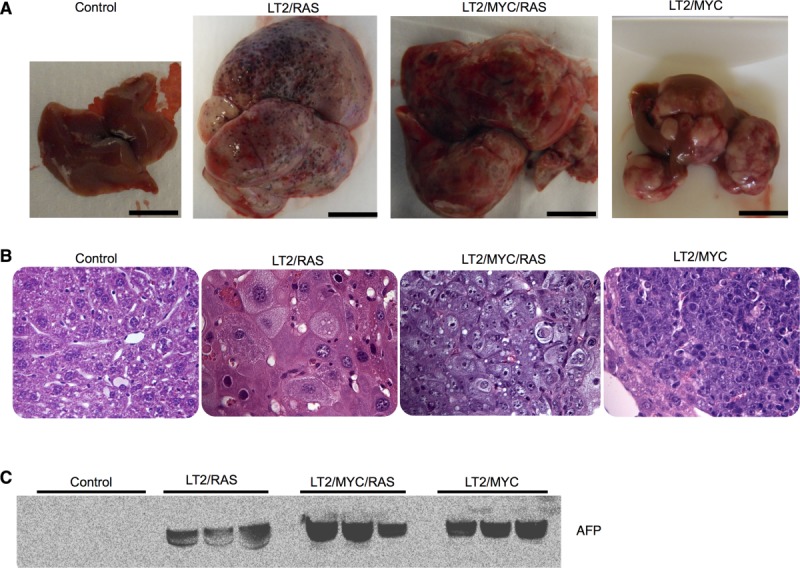
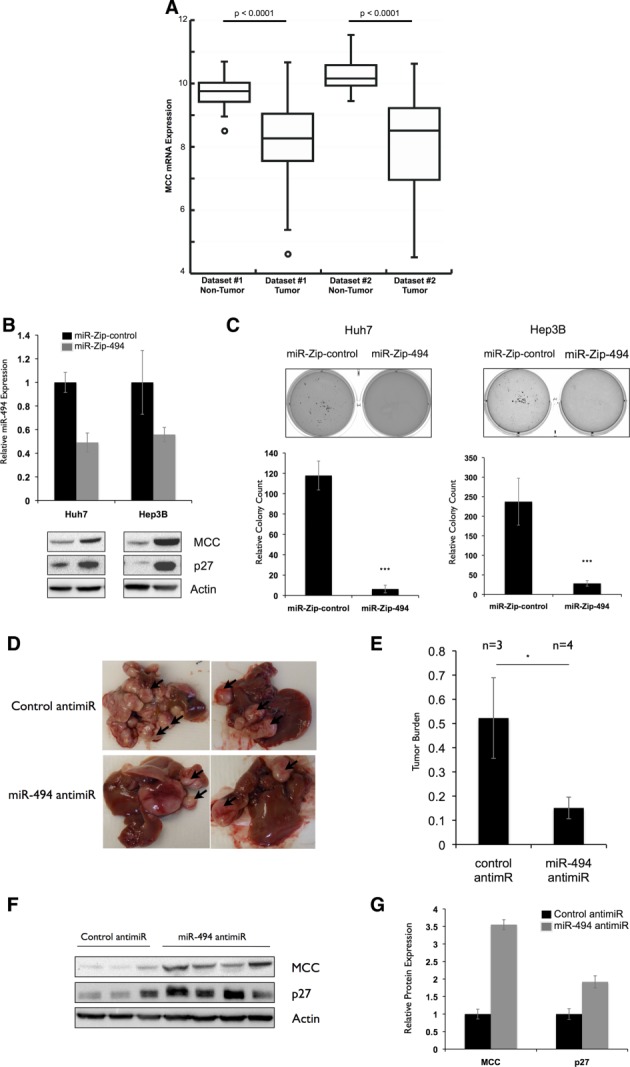
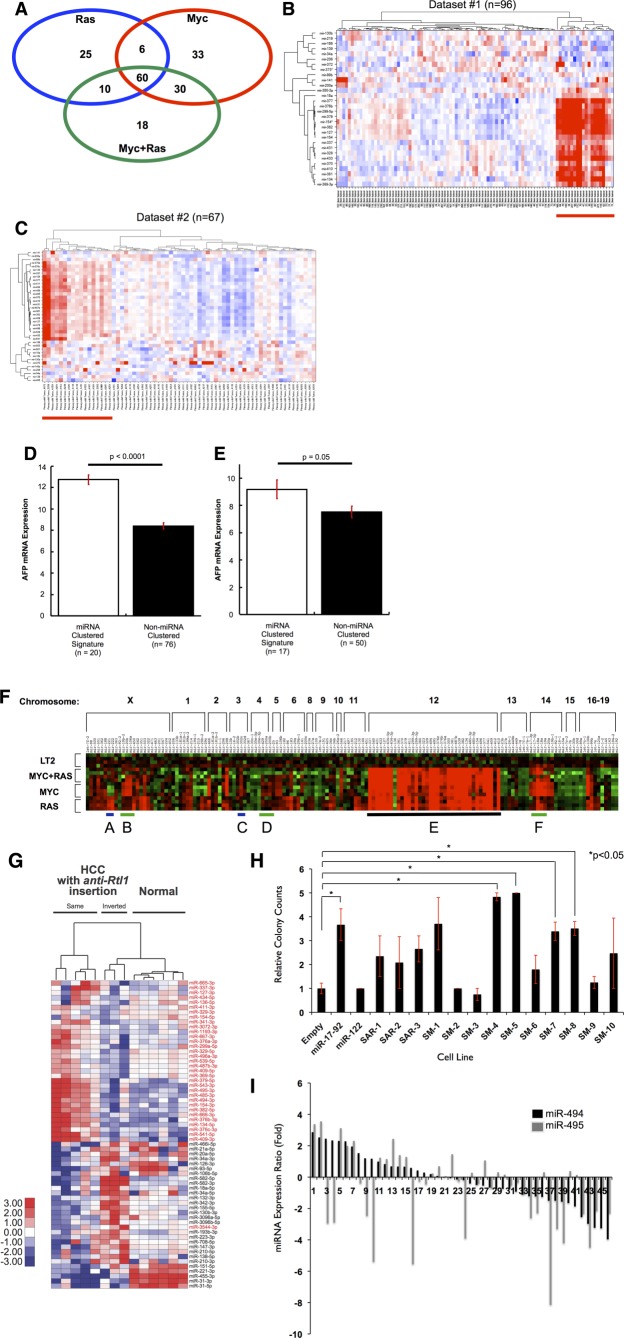
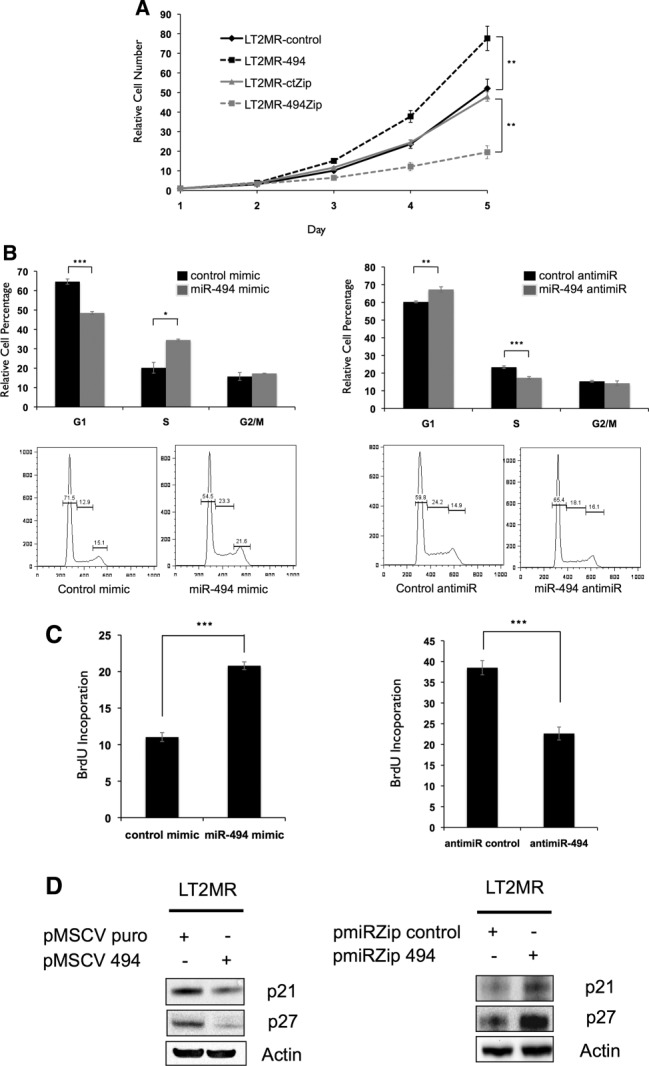
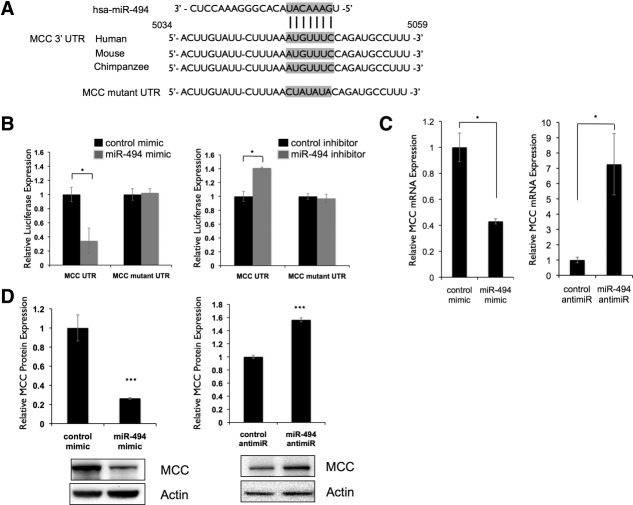
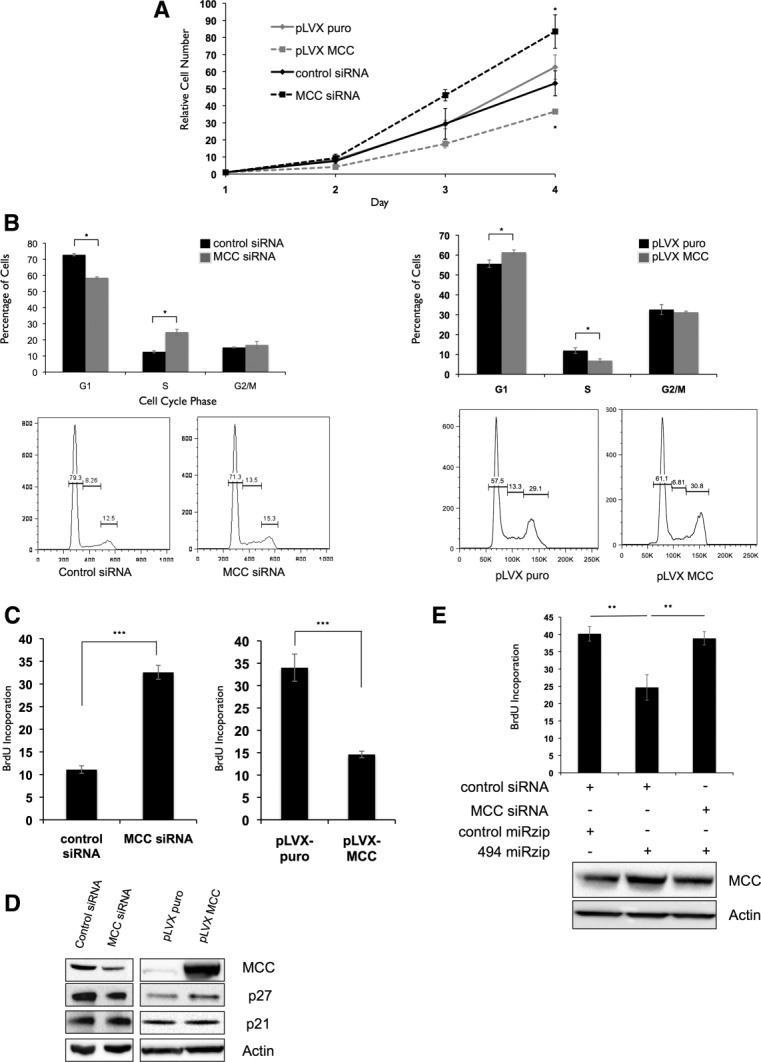
Hepatocellular carcinoma (HCC) is associated with poor survival for patients and few effective treatment options, raising the need for novel therapeutic strategies. MicroRNAs (miRNAs) play important roles in tumor development and show deregulated patterns of expression in HCC. Because of the liver's unique affinity for small nucleic acids, miRNA-based therapy has been proposed in the treatment of liver disease. Thus, there is an urgent need to identify and characterize aberrantly expressed miRNAs in HCC. In our study, we profiled miRNA expression changes in de novo liver tumors driven by MYC and/or RAS, two canonical oncogenes activated in a majority of human HCCs. We identified an up-regulated miRNA megacluster comprised of 53 miRNAs on mouse chromosome 12qF1 (human homolog 14q32). This miRNA megacluster is up-regulated in all three transgenic liver models and in a subset of human HCCs. An unbiased functional analysis of all miRNAs within this cluster was performed. We found that miR-494 is overexpressed in human HCC and aids in transformation by regulating the G1 /S cell cycle transition through targeting of the Mutated in Colorectal Cancer tumor suppressor. miR-494 inhibition in human HCC cell lines decreases cellular transformation, and anti-miR-494 treatment of primary MYC-driven liver tumor formation significantly diminishes tumor size.
Our findings identify a new therapeutic target (miR-494) for the treatment of HCC.
肝细胞癌 (HCC) 与患者的生存预后差和有效治疗选择少有关,这就需要新的治疗策略。microRNAs (miRNAs) 在肿瘤的发生发展中起着重要的作用,并在 HCC 中表现出失调的表达模式。由于肝脏对小分子核酸具有独特的亲和力,因此 miRNA 治疗已被提议用于治疗肝脏疾病。因此,迫切需要识别和表征 HCC 中异常表达的 miRNAs。在我们的研究中,我们对由 MYC 和/或 RAS 驱动的新发生的肝脏肿瘤中的 miRNA 表达变化进行了分析,MYC 和 RAS 是在大多数人类 HCC 中激活的两种经典致癌基因。我们鉴定了一个由 53 个 miRNA 组成的上调 miRNA 巨簇,位于小鼠 12qF1 染色体上(人类同源物 14q32)。这个 miRNA 巨簇在所有三种转基因肝脏模型和一部分人类 HCC 中都上调。我们对这个簇内的所有 miRNA 进行了无偏的功能分析。我们发现 miR-494 在人类 HCC 中过度表达,并通过靶向结肠癌 Mutated 肿瘤抑制因子来调节 G1/S 细胞周期转换,从而促进转化。在人类 HCC 细胞系中抑制 miR-494 可降低细胞转化,而抗 miR-494 治疗 MYC 驱动的原发性肝脏肿瘤形成可显著减小肿瘤大小。
我们的研究结果确定了 miR-494 作为治疗 HCC 的新治疗靶点。