Psychology, College of Life and Environmental Sciences, University of Exeter, Exeter, United Kingdom.
PLoS One. 2013 Jul 26;8(7):e70155. doi: 10.1371/journal.pone.0070155. Print 2013.
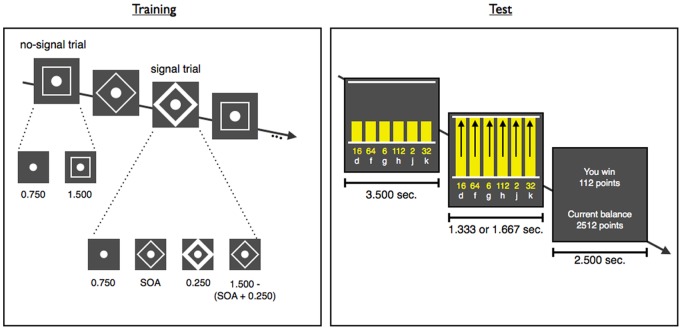
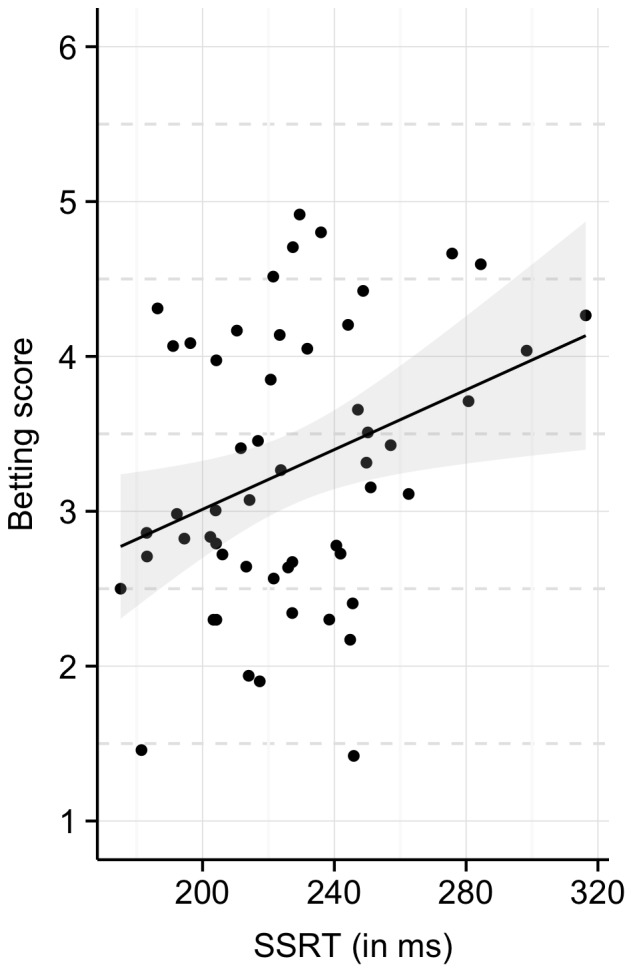
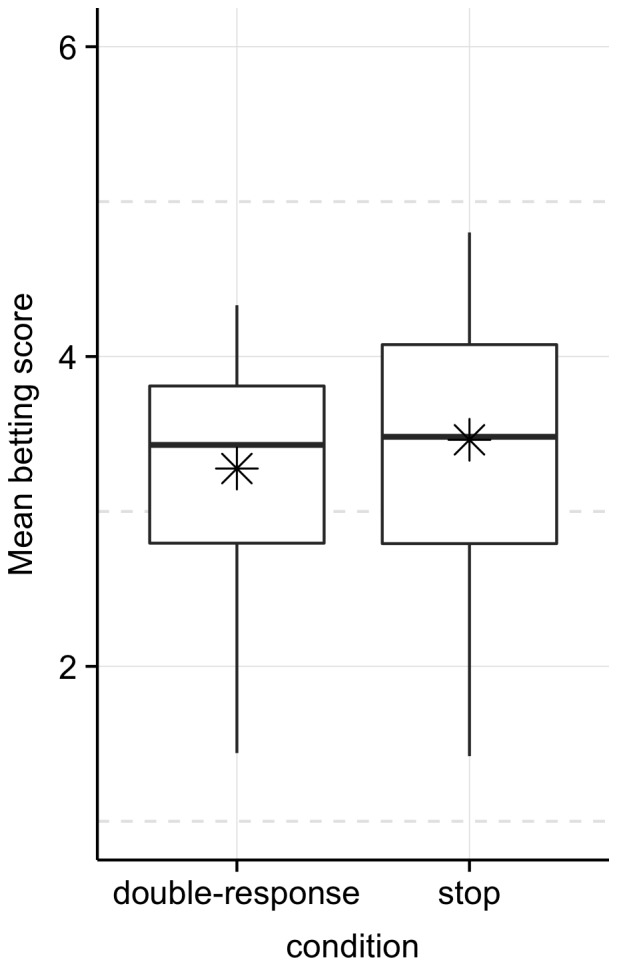
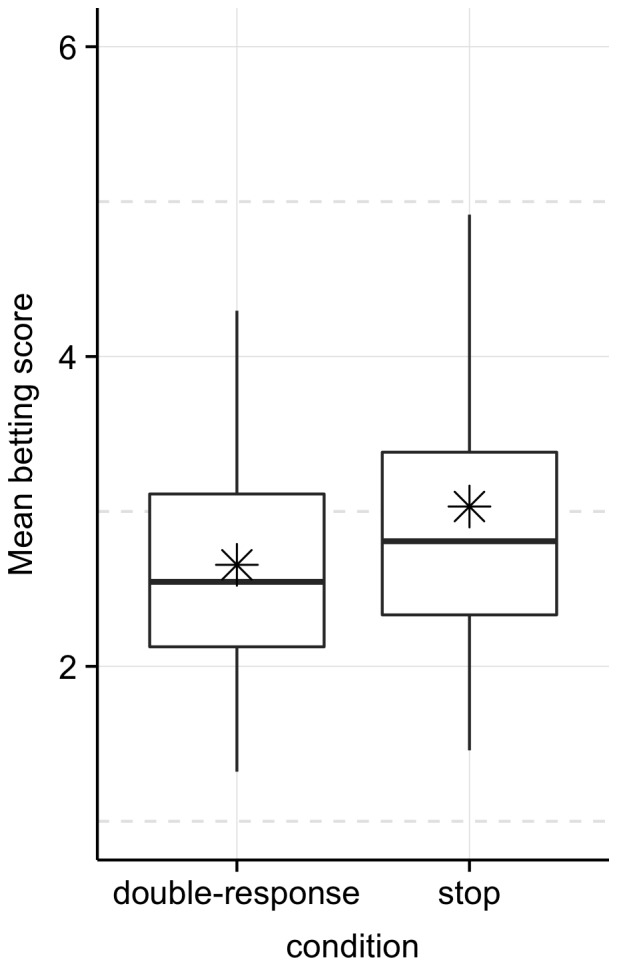
A recent study has shown that short-term training in response inhibition can make people more cautious for up to two hours when making decisions. However, the longevity of such training effects is unclear. In this study we tested whether training in the stop-signal paradigm reduces risky gambling when the training and gambling task are separated by 24 hours. Two independent experiments revealed that the aftereffects of stop-signal training are negligible after 24 hours. This was supported by Bayes factors that provided strong support for the null hypothesis. These findings indicate the need to better optimise the parameters of inhibition training to achieve clinical efficacy, potentially by strengthening automatic associations between specific stimuli and stopping.
最近的一项研究表明,在反应抑制方面进行短期训练可以使人们在长达两个小时的决策过程中更加谨慎。然而,这种训练效果的持久性尚不清楚。在这项研究中,我们测试了在停止信号范式中进行训练,是否会降低 24 小时后进行赌博任务时的风险偏好。两个独立的实验表明,在 24 小时后,停止信号训练的后效可以忽略不计。贝叶斯因子提供了对零假设的强有力支持,这一结果得到了支持。这些发现表明,需要更好地优化抑制训练的参数,以实现临床疗效,可能的方法是增强特定刺激和停止之间的自动关联。